 0
0
 0
0
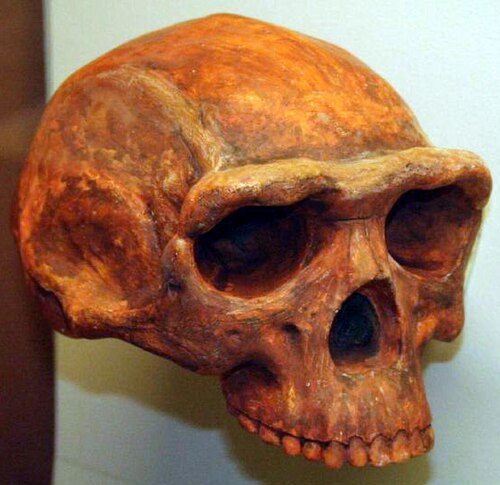
A groundbreaking study shows that Homo erectus in Asia appeared far earlier than previously believed, reshaping our understanding of early human evolution. Researchers now suggest that our ancient ancestors reached Yunxian, China, approximately 1.7 million years ago—about 600,000 years earlier than earlier estimates of 1.1 million years.
Published in Science Advances, this study is the result of an international collaboration involving anthropologists, geoscientists, and research teams funded by both the National Natural Science Foundation of China and the U.S. National Science Foundation. The findings challenge long-held assumptions about early human dispersal from Africa into Asia.
Yunxian: A Crucial Fossil Site
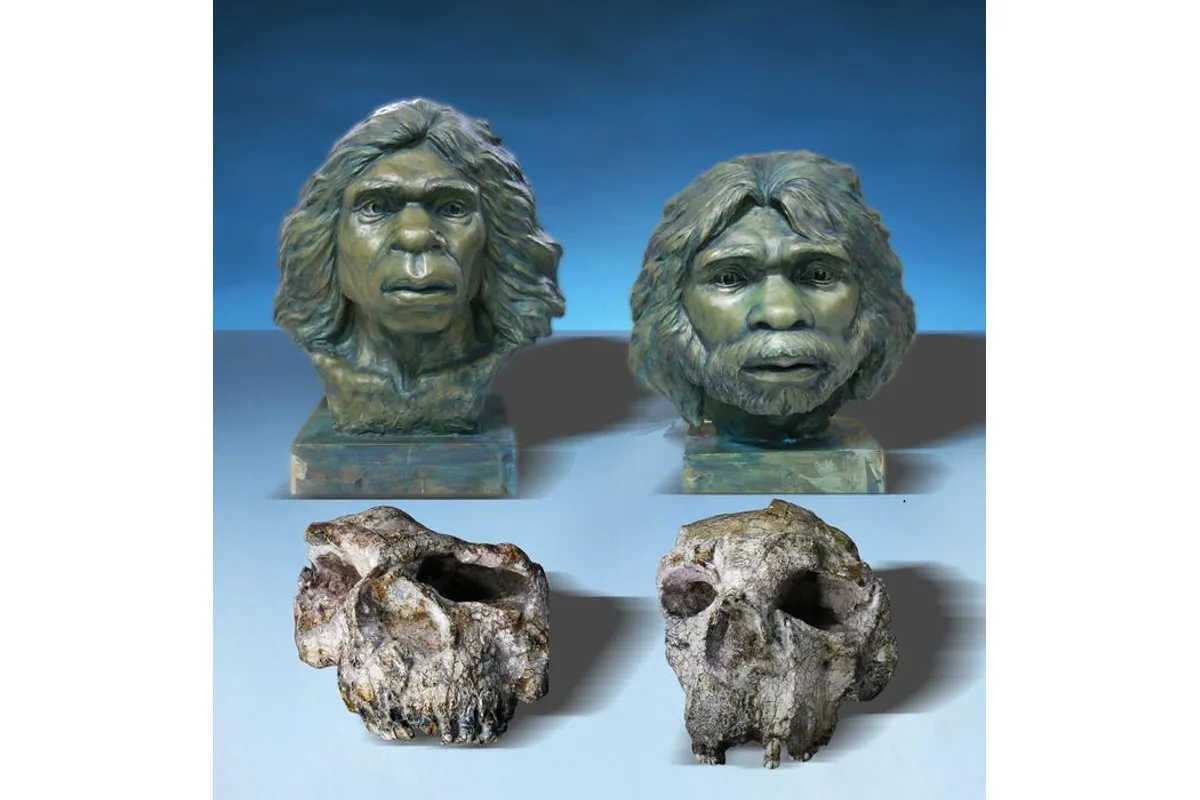
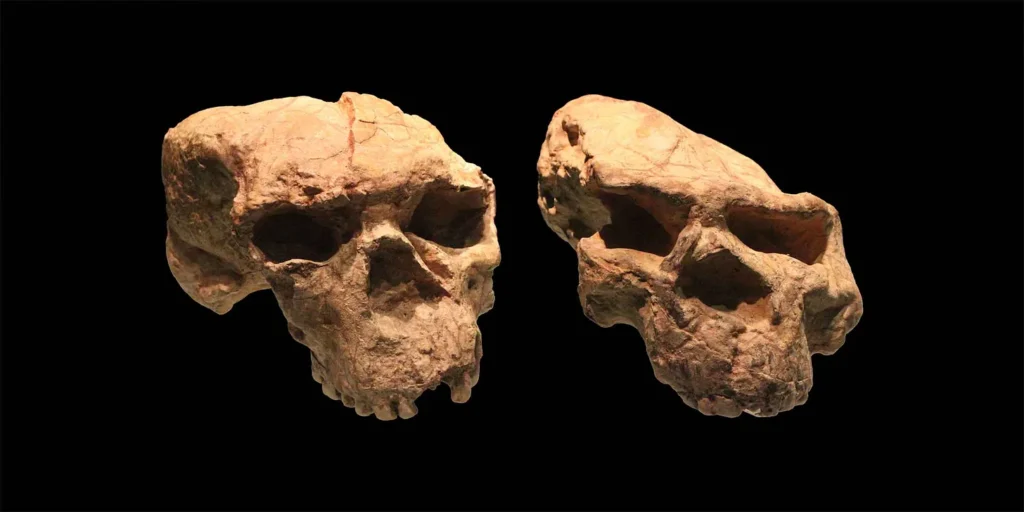
Yunxian, located in central China, has become a pivotal site for understanding the dispersal of early hominins. Three nearly complete Homo erectus skulls discovered in this area provided key evidence for the new dating. Previously, the oldest-known fossils from Yunxian were estimated at around 1.1 million years old.
“H. erectus is widely recognized as our distant ancestor who originated in Africa before dispersing into Eurasia,” explained Christopher J. Bae, a corresponding author from the University of Hawaiʻi at Mānoa. “However, the precise timeline of its arrival in eastern Asia was unknown until now.”
The updated timeline pushes back the arrival of Homo erectus in Asia by hundreds of thousands of years, giving scientists new insights into early human migration patterns and evolutionary history.
Advanced Dating Methods Uncover New Evidence
The research team employed Aluminum-26 (Al-26) and Beryllium-10 (Be-10) burial dating to determine the age of the fossils. These isotopes are formed when cosmic rays strike quartz minerals. Once the sediment is buried underground, isotope production ceases, and radioactive decay begins. By measuring the remaining ratio of Al-26 to Be-10 in the surrounding sediment, researchers can calculate how long the fossils have been buried.
Hua Tu, lead author of the study from Shantou University and Nanjing Normal University, explained:
“By using aluminum’s and beryllium’s known decay rates, and comparing the ratio of the two isotopes in sediment samples around a fossil, we can determine the length of time the fossil has been buried. This allowed us to accurately date the Yunxian Homo erectus remains.”
This precise dating method provides stronger evidence than previous estimates based on more traditional stratigraphic analysis.
Implications of Homo Erectus in Asia for Human Migration
The discovery that Homo erectus in Asia appeared 1.7 million years ago reshapes the understanding of early human dispersal. It narrows the evolutionary gap between Homo erectus and modern Homo sapiens and offers a clearer picture of the migration routes taken by early hominins from Africa into Asia.
Bae noted that these findings challenge prior assumptions about when hominins first moved out of Africa and reached eastern Asia. The earlier timeline suggests that migration may have occurred more rapidly than previously thought, potentially involving unknown or alternative species alongside H. erectus.
The Yunxian fossils provide a critical reference point for reconstructing migration patterns, cultural evolution, and the adaptation of early humans to new environments across Asia.
Homo Erectus: First Hominin with Human-Like Body Proportions
According to the Natural History Museum, Homo erectus was the first hominin species to possess body proportions similar to modern humans, including long legs and shorter arms. These adaptations allowed them to travel long distances, contributing to their widespread migration beyond Africa.
Homo erectus is also credited as the first hominin to create tools and potentially use fire. The Yunxian fossils underscore the species’ ability to adapt to diverse environments and survive in Asia’s challenging ecosystems, including tropical forests and river valleys.
New Insights into Fossil Preservation
The combination of fossil analysis and burial dating has strengthened the robustness of the findings. By dating the sediment directly surrounding the fossils using Al-26 and Be-10 isotopes, researchers were able to recreate a reliable chronological record for early hominins in eastern Asia.
This methodology not only confirms the age of the Yunxian specimens but also demonstrates a replicable approach for dating other fossil sites where traditional methods may have limitations.
Impact on the Study of Human Evolution
The updated timeline for Homo erectus in Asia has significant implications:
-
Earlier Migration: Humans reached eastern Asia far sooner than previously thought, revising migration models.
-
Evolutionary Context: A longer presence in Asia provides more time for adaptation and cultural development.
-
Comparative Analysis: The fossils allow scientists to compare H. erectus traits across regions and identify potential interactions with other hominin species.
“These findings are vital for understanding early human evolution,” said Bae. “While we still don’t know exactly when H. erectus first appeared or disappeared in the region, this updated chronology for Yunxian is a critical step toward resolving these debates.”
Remaining Questions in Hominin Research
Despite the breakthrough, mysteries remain. Scientists are still investigating whether H. erectus was truly the first occupant of Asia or if other hominin species arrived earlier. The expanded timeline opens new questions about competition, migration strategies, and ecological adaptation among early human populations.
The Yunxian fossils also provide a benchmark for future fossil discoveries in Asia, helping to build a more accurate map of ancient human dispersal and evolutionary pathways.
For more news, please visit our Hompage