


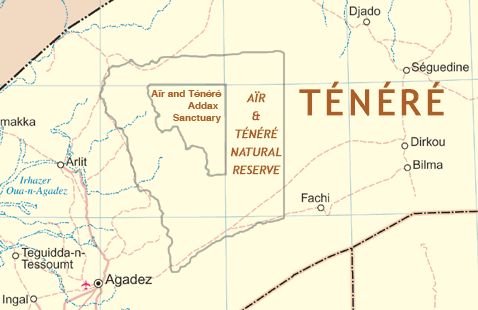
The Gobero prehistoric cemetery Sahara 2026 marks one of the most significant archaeological discoveries in recent decades, uncovering 200 human skeletons and thousands of artifacts in Niger’s Ténéré Desert. These remains, some over 10,000 years old, provide an unprecedented look into human life during the era of the Green Sahara.
Gobero Prehistoric Cemetery Sahara 2026: Location and Challenges
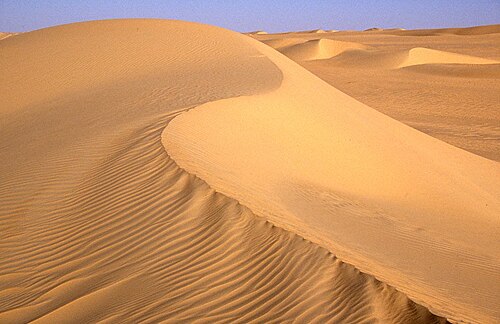
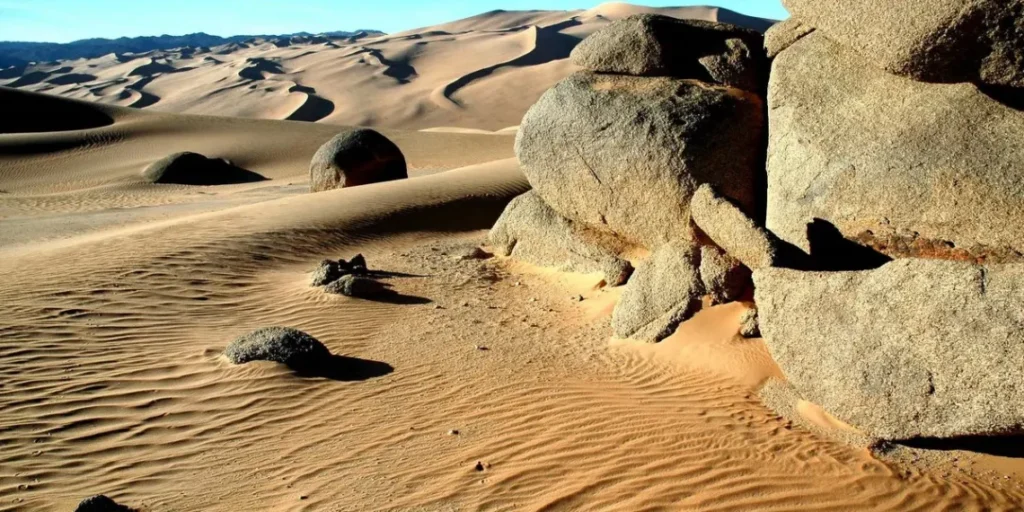
The Gobero site lies deep in the Ténéré Desert, often described as “the place where camels fear to go.”
Harsh Environment
- Temperatures can reach 49°C (120°F).
- Sandstorms, bandits, and insurgents make the desert extremely dangerous.
- Modern expeditions often require armed escorts for safety.
Despite the challenges, archaeologists have been drawn to the region since the 1950s, initially for its rich dinosaur beds.

Discovery of the Gobero Prehistoric Cemetery
Early Excavations
- In 2000, University of Chicago paleontologist Paul Sereno led a team into the dunes seeking prehistoric animals.
- Instead of dinosaurs, they discovered human skeletons, pottery shards, beads, and arrowheads.
- The site was named Gobero, after the local Tuareg name for the region.
Significance of the Cemetery
- Around 200 human skeletons were uncovered.
- The cemetery spans thousands of years, with some remains dating back to 8000 BCE.
- Thousands of artifacts provide insight into the daily life, diet, and culture of ancient populations.
Life at Gobero During the Green Sahara
Climate and Environment
- The Sahara underwent cyclic transformations every 21,000 years, alternating between arid and humid phases.
- Gobero flourished during the Green Sahara era, when monsoons created lakes and woodlands.
- Early inhabitants had access to water, fish, and fertile lands for hunting and later cattle husbandry.
Distinct Human Cultures
- 7700 BCE: Hunter-fishers created the Sahara’s oldest known cemetery.
- 6200–5200 BCE: A severe drought forced them to leave.
- After rains returned, cattle-herding groups settled the site.
- Both populations differed physically: the first were robust, the second slender, yet both used the same burial ground.
Chris Stojanowski, a bioarchaeologist, noted the mystery: “It’s hard to imagine two biologically distinct groups burying their dead in the same place without disturbing earlier graves.”

Artifacts and Human Remains
- Pottery shards, beads, and arrowheads suggest complex social and cultural behaviors.
- Skeletons show physical differences between early hunter-fishers and later pastoralists.
- Gobero provides evidence of dietary diversity, from fishing to cattle herding.
The site highlights the continuity and adaptation of human communities in response to climate changes.
Broader Implications of the Gobero Prehistoric Cemetery Sahara 2026
- Gobero suggests that the Sahara may hold more undiscovered archaeological treasures.
- Its discovery underscores the value of multidisciplinary research, combining paleontology and archaeology.
- The findings challenge assumptions about human migration and adaptation in prehistoric North Africa.
Why Gobero Matters
- Offers a window into human prehistory during the Green Sahara era.
- Demonstrates cultural continuity and environmental adaptation over thousands of years.
- Enhances our understanding of how climate change shaped early human societies.
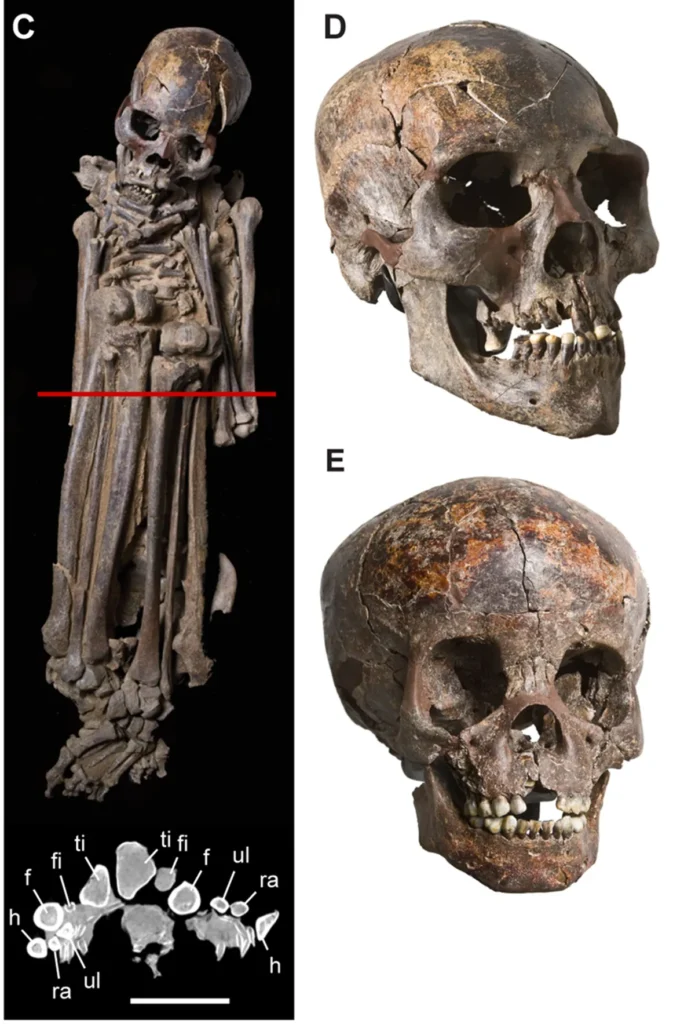
Archaeologists uncover 200 skeletons at Gobero prehistoric cemetery in the Sahara Desert, revealing ancient human life and culture

FAQs
How old are the skeletons at Gobero?
Some skeletons at Gobero date back to around 8000 BCE, over 10,000 years ago.
Who discovered the Gobero prehistoric cemetery?
The site was discovered in 2000 by Paul Sereno and his team from the University of Chicago.
What artifacts were found at Gobero?
Archaeologists found pottery shards, beads, arrowheads, and other stone tools alongside human remains.
Why is Gobero unique?
Gobero shows two biologically distinct populations using the same cemetery across millennia, reflecting adaptation to climate and cultural change.
Conclusion
The Gobero prehistoric cemetery Sahara 2026 provides a remarkable glimpse into early human life, survival, and adaptation in the Sahara Desert. The discovery of 200 skeletons, along with thousands of artifacts, highlights the resilience and ingenuity of ancient populations and suggests that the Sahara still holds many secrets waiting to be uncovered by future archaeologists.
PLEASE CLICK HERE FOR MORE NEWS


