0
0
 0
0
Global Recycling Market Set for Massive Expansion
The global recycling market 2030 forecast indicates the industry could reach a staggering $4.5 trillion by the end of the decade, signaling a major shift toward sustainability and circular economic systems.
This projection, shared by Olugbenga Adebola, president of the Association of Waste Managers of Nigeria, reflects growing global demand for efficient waste management and resource recovery.
The outlook highlights a transformation in how countries approach waste, moving away from disposal-focused systems toward value-driven recycling models.

Why the Recycling Industry Is Growing Rapidly
Rising Global Waste Volumes
Urbanization and population growth are driving a sharp increase in global waste generation. Cities like Lagos are experiencing rapid expansion, resulting in higher volumes of municipal and industrial waste.
As consumption increases, governments and private operators are under pressure to adopt sustainable waste solutions.
Shift Toward Circular Economy Models
The circular economy model promotes reusing, recycling, and reducing waste instead of relying on landfills. This approach ensures that materials remain in use for as long as possible.
Key drivers of this shift include:
- Environmental sustainability goals
- Resource scarcity concerns
- Regulatory pressure on waste disposal
Climate and Environmental Concerns
Recycling plays a critical role in reducing greenhouse gas emissions and conserving natural resources. With climate change concerns intensifying, countries are prioritizing cleaner waste management systems.
Waste Management Remains Capital-Intensive
Infrastructure Requirements
Despite the promising global recycling market 2030 forecast, the sector remains highly capital-intensive. Significant investments are required in:
- Waste collection systems and bins
- Transportation and logistics networks
- Material recovery facilities
- Waste-to-energy plants
These elements form the backbone of a functioning recycling ecosystem.
Rising Operational Costs
Investors face increasing financial pressure due to:
- High inflation rates
- Rising fuel costs
- Expensive financing structures
These factors make it challenging for new entrants to scale operations quickly.
Cost Recovery Challenges
According to Adebola, waste management must be approached as a business rather than a public service.
Operators are expected to recover investments within a reasonable timeframe, making pricing structures and tariffs critical to sustainability.
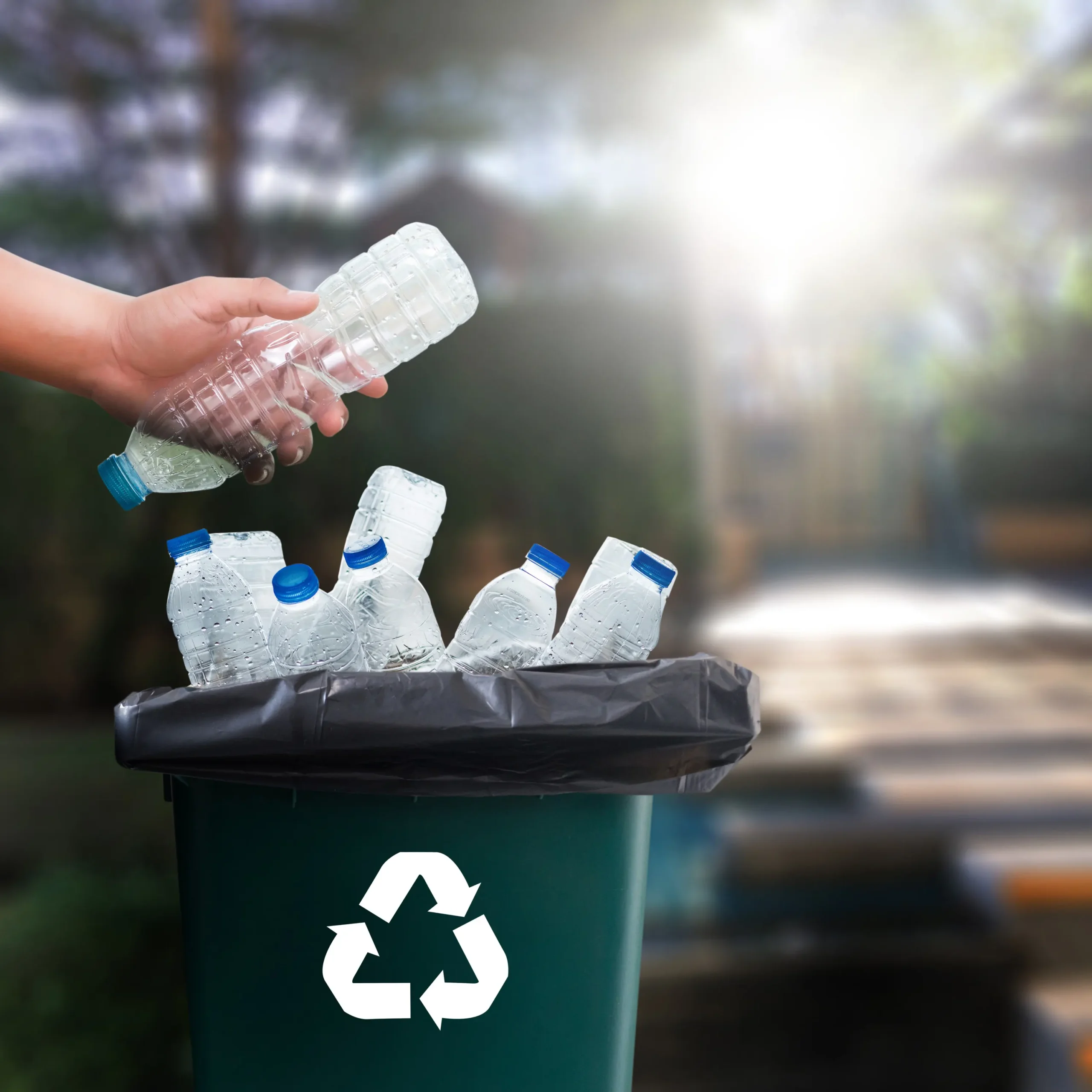
Recycling vs Landfills: Long-Term Benefits
Economic Advantages
Although recycling infrastructure requires higher upfront capital, it offers long-term economic returns through:
- Job creation
- Resource recovery
- Reduced dependency on raw materials
Environmental Benefits
Recycling significantly reduces environmental risks compared to landfill systems, including:
- Lower pollution levels
- Reduced landfill overflow
- Conservation of ecosystems
This positions recycling as a more sustainable alternative.
Job Creation and Economic Opportunities in Lagos
Thousands of Jobs Generated
The global recycling market 2030 forecast is already translating into local economic impact. In Lagos, private waste operators have created over 26,000 jobs.
These roles span:
- Formal employment in waste management companies
- Informal jobs such as waste picking and sorting
Formalisation of Informal Workers
Efforts are ongoing to integrate informal waste workers into structured systems. This move aims to:
- Improve working conditions
- Enhance efficiency
- Increase accountability
A more formal system could significantly boost productivity in the sector.
Environmental Risks of Poor Waste Disposal
Key Environmental Threats
Improper waste disposal continues to pose serious risks, including:
- Flooding caused by blocked drainage systems
- Groundwater contamination
- Microplastic pollution in oceans
These issues highlight the urgency of adopting effective recycling systems.
Role of Recycling in Sustainability
Recycling helps reduce environmental degradation and supports cleaner urban environments. It also contributes to long-term sustainability goals by minimizing waste.
Nigeria’s Policy and Enforcement Challenges
Weak Implementation of Policies
While Nigeria has policies in place for waste management, enforcement remains a major challenge.
Adebola emphasized that the issue is not policy creation but implementation and compliance.
Role of Regulatory Authorities
Regulatory bodies such as the Lagos Waste Management Authority are encouraged to strengthen monitoring systems.
Improved enforcement could lead to better outcomes across the sector.
Policies Needed to Attract Investment
Investor-Friendly Measures
To align with the global recycling market 2030 forecast, experts recommend:
- Long-term operational concessions
- Infrastructure support funding
- Cost-reflective tariffs
These policies can encourage private sector participation.
Polluter-Pays Principle
The enforcement of the polluter-pays principle ensures that waste generators bear the cost of disposal and recycling.
This approach promotes accountability and financial sustainability.
Future Opportunities in Nigeria’s Growing Population
Waste as an Economic Resource
Nigeria’s growing population presents an opportunity to generate economic value from increased waste production.
Rather than viewing waste as a burden, stakeholders are encouraged to treat it as a valuable resource.
Adoption of Traceability Systems
Waste traceability systems can improve accountability by tracking waste from generation to disposal.
Benefits include:
- Better monitoring
- Increased transparency
- Improved efficiency
Key Challenges Facing the Sector
Despite the positive global recycling market 2030 forecast, several challenges remain:
- High interest rates limiting investment
- Lack of access to green financing
- Policy inconsistency across regions
- Bureaucratic bottlenecks
Addressing these issues is essential for long-term growth.
Recognition of Ongoing Reforms in Lagos
Adebola acknowledged the efforts of Babajide Sanwo-Olu in advancing waste management reforms.
These initiatives aim to improve infrastructure, attract investment, and enhance environmental sustainability.
He also encouraged other states to adopt similar strategies to strengthen waste management systems nationwide.
FAQ
What is the global recycling market 2030 forecast?
The global recycling market 2030 forecast estimates that the industry will reach approximately $4.5 trillion, driven by sustainability efforts and increased waste generation.
Why is recycling considered capital-intensive?
Recycling requires significant investment in infrastructure, logistics, and processing facilities, making it more expensive upfront compared to landfill systems.
How many jobs has the recycling sector created in Lagos?
Private waste operators in Lagos have created over 26,000 jobs across both formal and informal sectors.
What are the main challenges facing recycling in Nigeria?
Key challenges include weak policy enforcement, high financing costs, lack of green funding, and bureaucratic obstacles.
Conclusion
The global recycling market 2030 forecast underscores the growing importance of sustainable waste management systems worldwide. While the sector offers significant economic and environmental benefits, challenges such as high costs and policy gaps must be addressed. With the right investments, regulatory enforcement, and public awareness, recycling can become a key driver of economic growth and environmental sustainability in Nigeria and beyond.
Click here for more news