



Ghazal Marzban prison sentence in Iran has sparked renewed attention to concerns surrounding religious freedom and the treatment of Christian converts in the country. Iranian authorities have reportedly sentenced Ghazal Marzban Jourshari, a Christian convert and former law student currently held in Evin Prison, to more than nine years in prison following a new judicial case brought against her.
According to reports from the Hengaw Organization for Human Rights, the sentence was issued by Branch 26 of the Tehran Revolutionary Court under Judge Iman Afshari. The ruling was formally communicated to Marzban while she remained in custody.
The case has drawn international interest because of allegations involving religious persecution, prison conditions, and broader restrictions placed on individuals accused of opposing state ideology.
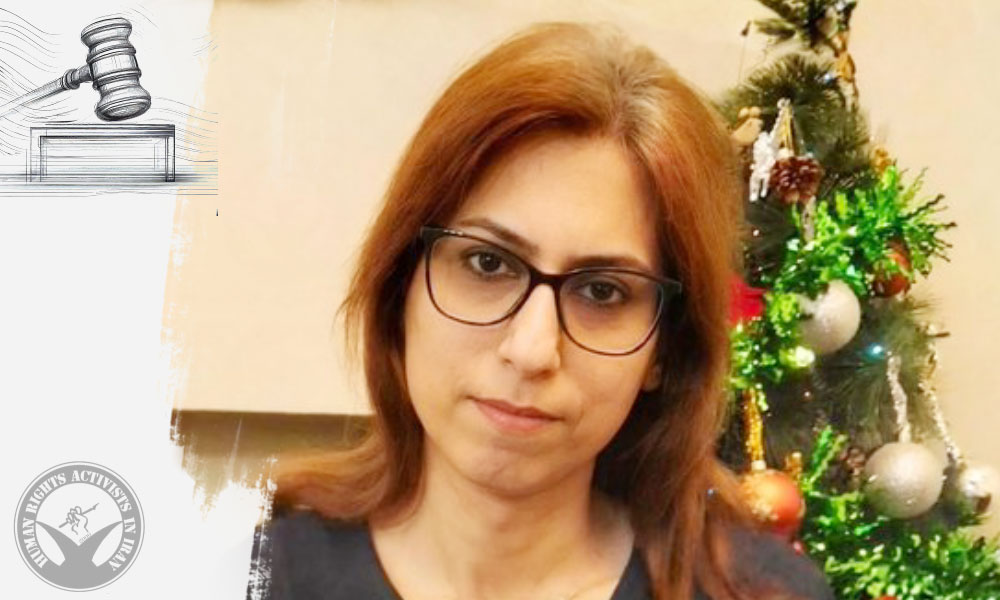

Tehran Revolutionary Court Issues Prison Sentence
The court reportedly sentenced Marzban to a total of 9 years and 8 months in prison on multiple charges connected to national security allegations.
Authorities accused her of:
- Propaganda against the state
- Assembly and collusion against national security
- Activities linked to religious organization and advocacy
Iranian courts frequently use national security-related charges in cases involving activists, journalists, dissidents, and religious converts.
Details of the Court Ruling
Reports indicate the sentence was recently finalized and officially delivered inside Evin Prison, where Marzban is currently being held.
The Ghazal Marzban prison sentence in Iran marks the latest legal action taken against her after years of reported arrests and prosecutions connected to her conversion from Islam to Christianity.
Human rights organizations have repeatedly criticized the use of Revolutionary Courts in political and religious cases, arguing that defendants often face limited access to legal protections and fair trial standards.
Who Is Ghazal Marzban?
Ghazal Marzban Jourshari is a 42-year-old Iranian woman originally from the Lasht-e Nesha district in Rasht County. She later moved to Tehran, where she reportedly became involved in Christian religious activities after converting to Catholic Christianity.
According to rights groups, she has experienced repeated pressure from Iranian authorities over her beliefs and religious activities.
Her case has become one of several recent examples involving Christian converts prosecuted under Iran’s national security laws.
Arrest and Transfer to Evin Prison
Iranian security forces reportedly arrested Marzban again on January 15, 2026, after conducting a raid on her residence in Tehran.
Following the arrest, authorities transferred her to the women’s ward of Evin Prison, one of Iran’s most internationally recognized detention facilities.
Reports of House Raid
Human rights sources claim Iranian security personnel entered her home during the operation before taking her into custody.
While officials have not publicly released detailed evidence supporting the charges, rights groups say her religious activities and conversion played a central role in the prosecution.
The Ghazal Marzban prison sentence in Iran has therefore renewed scrutiny of how religious minorities and converts are treated within the Iranian judicial system.
Evin Prison and Political Detainees
Evin Prison in Tehran is widely known for housing political prisoners, journalists, activists, and individuals accused of security-related offenses.
International human rights organizations have repeatedly raised concerns about:
- Prison conditions
- Solitary confinement practices
- Medical care access
- Restrictions on legal representation
- Treatment of prisoners of conscience
Iranian authorities have consistently defended the country’s judicial and prison systems against criticism.
Previous Arrests and Earlier Sentences
This is not the first time Marzban has faced legal punishment in Iran.
Reports indicate she was previously detained in November 2024 and later sentenced by the same court branch.
Earlier Charges Against Marzban
The earlier case reportedly involved accusations including:
- Failure to observe mandatory hijab laws
- Propaganda against the state
- Activities viewed as contrary to state policies
She was reportedly sentenced to imprisonment and 74 lashes in that earlier judicial proceeding.
Allegations of Violence During Arrest
Human rights organizations claim Marzban suffered serious rib injuries during her previous arrest due to force allegedly used by security personnel.
Iranian officials have not publicly commented in detail on those allegations.
The repeated arrests have intensified attention surrounding the Ghazal Marzban prison sentence in Iran and the broader issue of religious freedom enforcement.
Hunger Strike and Prison Conditions
In January 2025, Marzban reportedly launched a week-long hunger strike while in detention.
According to reports, the protest was intended to draw attention to:
- Uncertainty surrounding her legal status
- Conditions of detention
- Delays in judicial proceedings
- Treatment inside prison
Hunger strikes have become a common form of protest among prisoners of conscience and political detainees in Iran.
Concerns About Medical Access
Human rights groups also claim that Marzban and her family experienced difficulties obtaining medical treatment and medication.
Reports specifically mention challenges involving treatment for her husband, who reportedly suffers from Parkinson’s disease.
Advocacy organizations argue that pressure on family members is sometimes used as part of broader restrictions targeting religious dissidents.
Religious Conversion and Iranian Law
Religious conversion remains a sensitive issue within Iran’s legal and political system.
Although Iran officially recognizes certain religious minorities, converts from Islam to Christianity can face social pressure, surveillance, arrest, and prosecution.
Christianity in Iran
Iran has historic Christian communities, including Armenian and Assyrian populations, who are officially recognized under the constitution.
However, converts from Islam often face closer scrutiny from authorities, particularly when involved in religious gatherings or advocacy activities.
Human rights organizations have repeatedly documented cases involving:
- Church raids
- Arrests of Christian converts
- Restrictions on worship
- Confiscation of religious materials
International Human Rights Concerns
Groups monitoring religious freedom have criticized Iran over prosecutions involving Christian converts and other religious minorities.
The Ghazal Marzban prison sentence in Iran has already prompted renewed discussion about Iran’s obligations under international human rights agreements, including protections concerning freedom of religion and belief.
Human rights advocates argue that criminal prosecution based on religious identity violates internationally recognized standards.
International Reactions and Human Rights Debate
The latest sentence may increase pressure on Iran from international advocacy organizations and foreign governments focused on human rights concerns.
Role of Human Rights Organizations
The Hengaw Organization for Human Rights described the prosecution of religious dissidents as a serious violation of the Universal Declaration of Human Rights.
Other advocacy groups have similarly raised concerns about:
- Religious persecution
- Freedom of belief restrictions
- Use of national security laws
- Treatment of prisoners of conscience
Broader Debate Over Religious Freedom
Iran has long faced international criticism over restrictions involving journalists, activists, women’s rights advocates, and religious minorities.
Iranian authorities, however, maintain that national security laws are necessary to preserve stability and public order.
The debate surrounding the Ghazal Marzban prison sentence in Iran reflects wider disagreements between Iranian authorities and international rights organizations regarding religious liberty and political freedoms.


FAQ
Who is Ghazal Marzban?
Ghazal Marzban Jourshari is an Iranian Christian convert, former law student, and prisoner of conscience currently held in Evin Prison.
Why was Ghazal Marzban sentenced in Iran?
Reports state she was convicted on charges including propaganda against the state and assembly and collusion against national security.
How long is Ghazal Marzban’s prison sentence?
Iranian authorities reportedly sentenced her to 9 years and 8 months in prison.
What concerns have human rights groups raised about her case?
Rights organizations have expressed concerns about religious persecution, prison conditions, alleged violence during arrest, and restrictions on freedom of belief.
The Ghazal Marzban prison sentence in Iran has become another closely watched case involving religious freedom and the treatment of Christian converts within the country’s judicial system. As international attention continues to grow, the case is likely to remain part of broader discussions surrounding human rights, religious liberty, and legal practices in Iran.
Click here for more news


