 0
0
 0
0
Gaza stabilization force plans moved forward this week as five countries formally committed troops to help establish a new international security presence in the territory. The announcement marks a significant development in ongoing efforts to restore order and create conditions for long term peace and stability.
The commander of the Gaza International Stabilization Force, Maj. Gen. Jasper Jeffers, confirmed the commitments during the inaugural meeting of the Board of Peace held in Washington. According to officials, Indonesia, Morocco, Kazakhstan, Kosovo, and Albania pledged personnel for the emerging multinational force. Meanwhile, Egypt and Jordan will contribute by training local police units.
The formation of the Gaza stabilization force represents a coordinated international effort aimed at supporting security, rebuilding institutions, and fostering a safer environment for civilians.

Five Nations Pledge Troops
During the high level meeting, Maj. Gen. Jeffers stated that five countries had agreed to supply military personnel to the Gaza stabilization force. The participating nations include:
-
Indonesia
-
Morocco
-
Kazakhstan
-
Kosovo
-
Albania
These troop contributions are expected to form the core of the multinational mission during its early operational phase.
Jeffers also announced that Indonesia accepted the role of deputy commander within the Gaza stabilization force structure. This appointment signals Indonesia’s significant involvement in shaping the mission’s direction and operational framework.
The inclusion of nations from different regions reflects an effort to build a diverse coalition committed to maintaining neutrality and promoting security within Gaza.
Egypt and Jordan to Train Police Forces
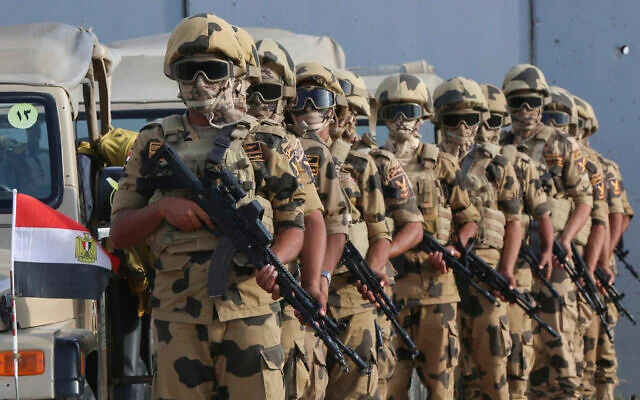
In addition to troop commitments, Egypt and Jordan will play a key role in training police personnel. Officials stated that the training initiative aims to strengthen local law enforcement capacity and support long term stability within Gaza.
The police training component is considered essential to the broader strategy of the Gaza stabilization force. By developing professional security institutions, organizers hope to reduce dependency on foreign troops over time and empower local authorities to manage internal security effectively.
Egypt and Jordan both have experience in regional security cooperation, and their involvement is expected to reinforce coordination between international forces and local institutions.
Objectives of the Gaza Stabilization Force
The primary mission of the Gaza stabilization force is to enhance security conditions while creating an environment conducive to reconstruction and political dialogue. According to statements delivered at the meeting, the force aims to:
-
Support public safety and order
-
Protect civilians and critical infrastructure
-
Assist in rebuilding local policing capacity
-
Contribute to long term regional stability
Maj. Gen. Jeffers emphasized that the early commitments represent only the first steps in a broader process. He stated that the coalition seeks to help bring security to Gaza to support prosperity and enduring peace.
Security analysts note that multinational stabilization missions typically operate under carefully defined mandates to prevent escalation while maintaining operational clarity. The Gaza stabilization force is expected to follow similar guidelines as it begins deployment preparations.
International Coordination and Structure
The Board of Peace meeting in Washington marked the formal launch of coordination efforts surrounding the Gaza stabilization force. The event brought together representatives from participating nations and observers interested in supporting the initiative.
The appointment of a deputy commander from Indonesia suggests a structured command hierarchy designed to ensure clear operational leadership. As more nations consider participation, the leadership structure may expand to accommodate additional contributions.
Officials have not yet provided detailed timelines for troop deployment, but early planning stages are underway. Organizers have emphasized that transparency and coordination remain central to the mission’s credibility.
Regional and Global Implications
The formation of the Gaza stabilization force carries significant regional and international implications. Stability in Gaza has long been viewed as a key factor influencing broader Middle Eastern security dynamics.
By committing troops, the participating countries signal a willingness to contribute to multilateral security frameworks beyond their immediate geographic regions. The involvement of Asian, African, and European nations underscores the global dimension of the effort.
Observers suggest that the Gaza stabilization force could serve as a model for future multinational cooperation in conflict affected areas, particularly if it succeeds in balancing international support with local institutional development.
Emphasis on Long Term Stability
Beyond immediate security objectives, the Gaza stabilization force aims to create conditions that enable reconstruction and economic recovery. Stable security conditions are widely regarded as a prerequisite for humanitarian relief, infrastructure rebuilding, and social normalization.
Training programs led by Egypt and Jordan are expected to complement troop deployment by building internal capabilities. This dual approach combines external support with internal capacity development, which experts consider essential for sustainable peace initiatives.
Officials have stressed that the force’s mandate focuses on stabilization rather than political governance. By concentrating on security and institutional strengthening, the Gaza stabilization force seeks to create space for diplomatic and political processes to unfold separately.
Indonesia’s Expanded Role
Indonesia’s acceptance of the deputy commander position highlights its expanding diplomatic engagement. As the largest Muslim majority country in the world, Indonesia’s involvement may carry symbolic significance in the regional context.
Its leadership role within the Gaza stabilization force suggests that participating nations aim to build broad international legitimacy. The leadership arrangement could also encourage additional countries to contribute resources or expertise.
Future Prospects and Next Steps
While five nations have committed troops, organizers indicated that additional contributions may follow. Discussions are ongoing regarding logistical coordination, deployment timelines, and operational guidelines.
The success of the Gaza stabilization force will likely depend on clear communication, coordinated leadership, and sustained political support from participating governments.
Security experts note that multinational stabilization missions often face complex operational environments. However, early commitments and structured planning can help mitigate risks and improve effectiveness.
As preparations continue, international observers will closely monitor how the Gaza stabilization force transitions from planning to implementation.
Key Highlights
-
Five nations committed troops to the Gaza stabilization force
-
Indonesia, Morocco, Kazakhstan, Kosovo, and Albania pledged personnel
-
Egypt and Jordan will train police forces
-
Indonesia accepted the deputy commander role
-
The force aims to enhance security and support long term stability
For more news, please visit our Homepage