


The Gaelic Time initiative primary schools programme has been introduced as a major educational development aimed at helping primary school teachers deliver Gaelic games more effectively. The initiative provides structured lesson plans, coaching resources, and digital learning tools designed to make Gaelic sports more accessible, inclusive, and engaging for young learners.
Launched at Croke Park in Dublin, the programme brings together sporting bodies, education experts, and wellbeing specialists to improve how Gaelic games are introduced in classrooms. It is designed to support both teachers with experience in sport and those with limited coaching backgrounds.

What Is the Gaelic Time Initiative for Primary Schools?
The Gaelic Time initiative primary schools programme is a structured teaching resource created to help educators deliver Gaelic games in a simple and engaging way.
It is built around ready-to-use materials that reduce preparation time for teachers while improving lesson quality.
Key Learning Resources Included
The programme offers a wide range of tools, including:
- Structured lesson plans
- Step-by-step activity guides
- High-quality demonstration videos
- Coaching support materials
- Classroom-friendly game formats
These resources allow teachers to introduce Gaelic games without requiring advanced coaching qualifications.
Focus on Accessibility for All Teachers
A central aim of the initiative is to support teachers who may not have a sporting background.
Many primary educators have limited experience in coaching Gaelic games, so the programme provides:
- Easy-to-follow instructions
- Simple teaching structures
- Clear learning outcomes
- Practical classroom examples
How Gaelic Time Supports the Primary School Curriculum
The Gaelic Time initiative primary schools programme is closely aligned with Ireland’s updated Primary School Wellbeing Curriculum.
This ensures that physical education and personal development are integrated into daily learning.
Integration with Wellbeing Education
The programme supports several curriculum areas, including:
- Physical Education (PE)
- Social development learning
- Health and wellbeing education
This integration helps schools meet curriculum requirements while promoting active lifestyles.
Educational Value Beyond Sport
Beyond physical activity, the initiative also focuses on broader life skills such as:
- Confidence building
- Communication development
- Teamwork skills
- Leadership growth
Development of the Gaelic Time Programme
The initiative was developed through collaboration between sporting bodies and education experts.
Collaboration with Teachers and Schools
The programme was designed with input from:
- Primary school teachers
- School principals
- Education researchers
- Sports development experts
This collaborative approach ensured the materials are practical and classroom-ready.
Role of Coaching and Education Specialists
Experts from institutions such as Mary Immaculate College contributed to the coaching framework.
Their input helped shape:
- Training structure
- Lesson design
- Skill progression models
- Teacher guidance resources
Goals and Vision Behind Gaelic Time
The Gaelic Time initiative primary schools project is part of a broader strategy to increase participation in Gaelic games across Ireland.
Expanding Access to Gaelic Games
The programme aims to introduce children to:
- Gaelic football
- Hurling
- Camogie
- Handball
- Rounders
It also ensures that children can engage with multiple codes, not just one sport.
Building Sustainable Participation
Key goals include:
- Increasing school-level engagement
- Supporting long-term participation
- Improving grassroots development
- Strengthening community connections

Voices from GAA Leadership
Senior figures in Gaelic games have highlighted the importance of the initiative for the future of the sports.
Focus on Teacher Support
GAA development leadership emphasized that many teachers require structured resources to deliver coaching effectively.
The programme helps by offering:
- Full lesson support systems
- Easy coaching guidance
- Pre-designed activities
- Digital learning content
Strategy for Long-Term Growth
Officials believe the initiative supports long-term goals around:
- Self-sufficiency in schools
- Sustainable sports development
- Wider participation in Gaelic games
- Stronger community engagement
Benefits for Primary School Children
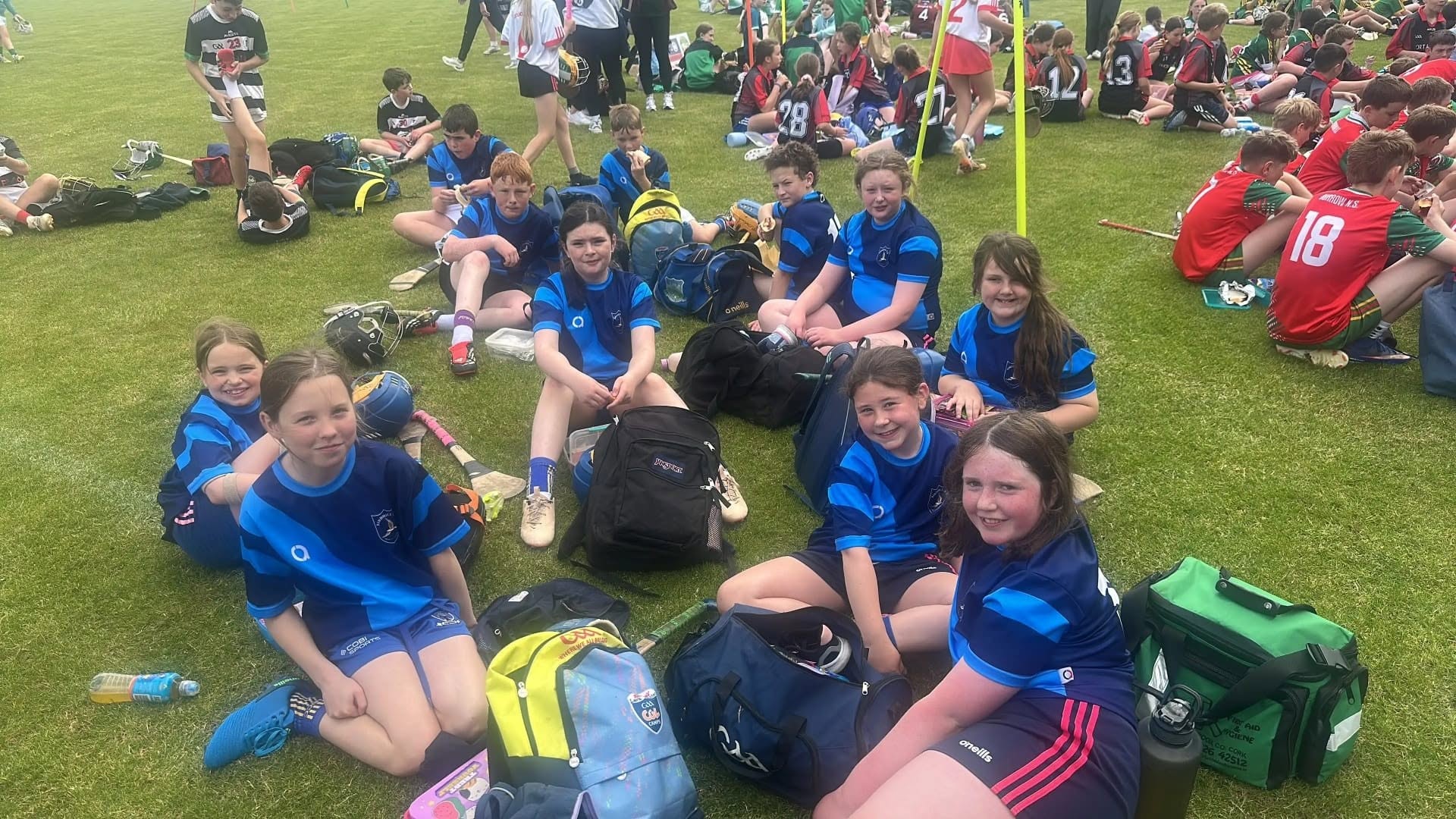
The initiative is designed to ensure that children experience Gaelic games in a positive and inclusive environment.
Physical and Social Development
Participation in Gaelic Time helps children develop:
- Motor skills and coordination
- Physical fitness
- Team interaction skills
- Social confidence
Inclusive Participation Approach
The programme is structured so that all children can take part, regardless of ability level or experience.
It ensures:
- Equal participation opportunities
- Non-competitive learning environments
- Fun-based activities
- Skill development at all levels
Growing Demand for Gaelic Games in Schools
The introduction of the Gaelic Time initiative primary schools programme comes at a time of increasing demand for Gaelic sports education.
Rising Participation Trends
Sports such as camogie, ladies’ football, and handball have seen growing participation in recent years.
This has created a need for:
- More structured coaching support
- Additional school resources
- Trained teacher-friendly programmes
Addressing Coaching Gaps
The initiative helps bridge gaps by providing:
- Ready-made lesson plans
- Training support for teachers
- Standardized coaching tools
- Digital learning materials
Role of Different Gaelic Games Bodies
The programme is supported by multiple governing bodies within the Gaelic games community.
Collaborative Sporting Structure
Organisations involved include:
- Gaelic Athletic Association (GAA)
- Camogie Association
- Ladies Gaelic Football Association (LGFA)
- GAA Handball authorities
- GAA Rounders leadership
Unified Approach to School Sports
This collaboration ensures consistent delivery of Gaelic games across different codes, helping schools implement a unified sports education model.
Leadership and Skill Development Elements
A unique feature of the programme is its focus on leadership development alongside sport.
Playground Leaders and Youth Roles
Children are encouraged to take on roles such as:
- Playground Leaders
- Junior referees (Réiteoir Óg)
- Team organizers
- Peer support roles
Life Skills Through Sport
These roles help children develop:
- Responsibility
- Decision-making skills
- Confidence in group settings
- Communication abilities
Future Outlook for Gaelic Time
The Gaelic Time initiative primary schools programme is expected to expand and evolve over time.
Continuous Improvement of Resources
The programme is designed as a flexible system that can be updated with:
- New lesson materials
- Improved coaching videos
- Updated curriculum links
- Teacher feedback integration
Potential National Expansion
If successful, the initiative could become a standard feature of primary school physical education across Ireland.
FAQ
What is the Gaelic Time initiative for primary schools?
It is a structured programme designed to help teachers deliver Gaelic games using ready-made lesson plans and coaching materials.
Who developed the Gaelic Time initiative?
It was developed through collaboration between the GAA, education experts, teachers, and sports development specialists.
What sports are included in Gaelic Time?
The programme includes Gaelic football, hurling, camogie, handball, and rounders.
How does Gaelic Time help teachers?
It provides structured lesson plans, videos, and coaching tools that make it easier for teachers to deliver sports lessons without advanced coaching experience.
The Gaelic Time initiative primary schools programme represents a major step forward in sports education, combining structured coaching tools with curriculum alignment to support both teachers and students. By improving access to Gaelic games in classrooms, it aims to strengthen participation, build essential life skills, and promote long-term engagement with Irish sports traditions.
Click here for more news


