 0
0
 0
0
The FV-014 kamikaze drone has officially been unveiled by Rheinmetall, revealing detailed technical specifications and operational capabilities during a live demonstration for a potential NATO customer. The presentation showcased the drone’s reconnaissance, strike precision, endurance, and resilience against electronic countermeasures.
The unveiling signals a significant development in Europe’s growing loitering munition sector and reinforces Germany’s expanding role in advanced unmanned combat systems.
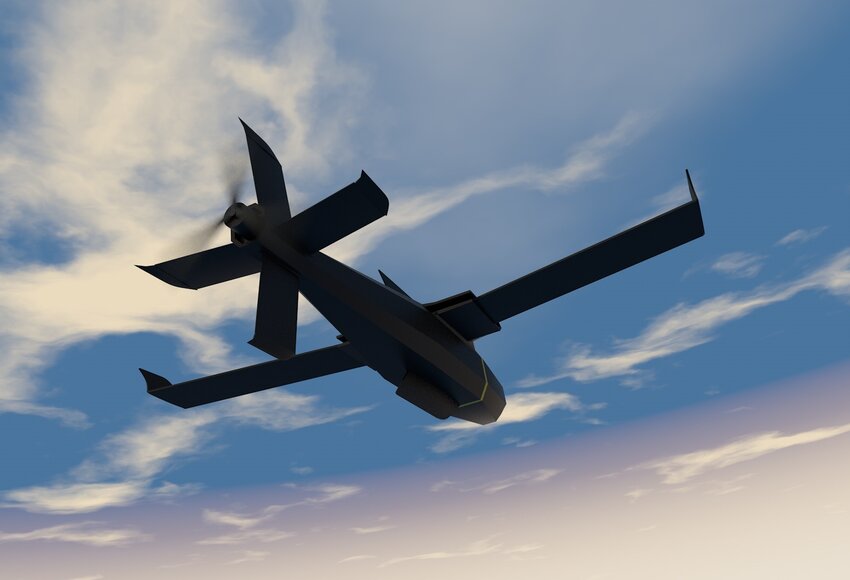
Rheinmetall Demonstrates the FV-014 Kamikaze Drone
The FV-014 kamikaze drone was demonstrated on February 18, 2026, at the National Test Center for Unmanned Aircraft Systems in Saxony Anhalt, Germany. During the controlled trials, the drone simulated multiple battlefield scenarios and successfully executed target engagement exercises.
According to company representatives, the system was evaluated under operational conditions designed to replicate real world combat environments. The drone demonstrated its ability to combine surveillance, target acquisition, and precision strike functions within a single platform.
This integrated approach positions the FV-014 kamikaze drone as both a reconnaissance tool and a tactical strike asset.
Range and Endurance Capabilities
One of the most notable features of the FV-014 kamikaze drone is its operational range. The system is capable of striking targets up to 100 kilometers away from its launch point. This extended reach provides flexibility for forward deployed units and enhances stand off engagement capability.
The drone can remain airborne for up to 70 minutes, allowing operators sufficient time to conduct surveillance, confirm targets, and adjust engagement decisions. This endurance window significantly improves battlefield awareness compared to short duration strike drones.
By combining long range capability with extended flight time, the FV-014 kamikaze drone offers operators greater tactical decision making flexibility.
Launch and Deployment Mechanisms
The FV-014 kamikaze drone is launched from a transport and launch container. It can be deployed using either a launch accelerator or a multi charge launcher, depending on operational requirements.
After exiting the container, the drone deploys its folding wings and transitions into powered flight. This rapid deployment system allows for quick reaction in time sensitive combat scenarios.
The containerized launch design also enhances mobility and makes the system adaptable for vehicle mounted or field based operations.
Tactical Design and Stealth Features
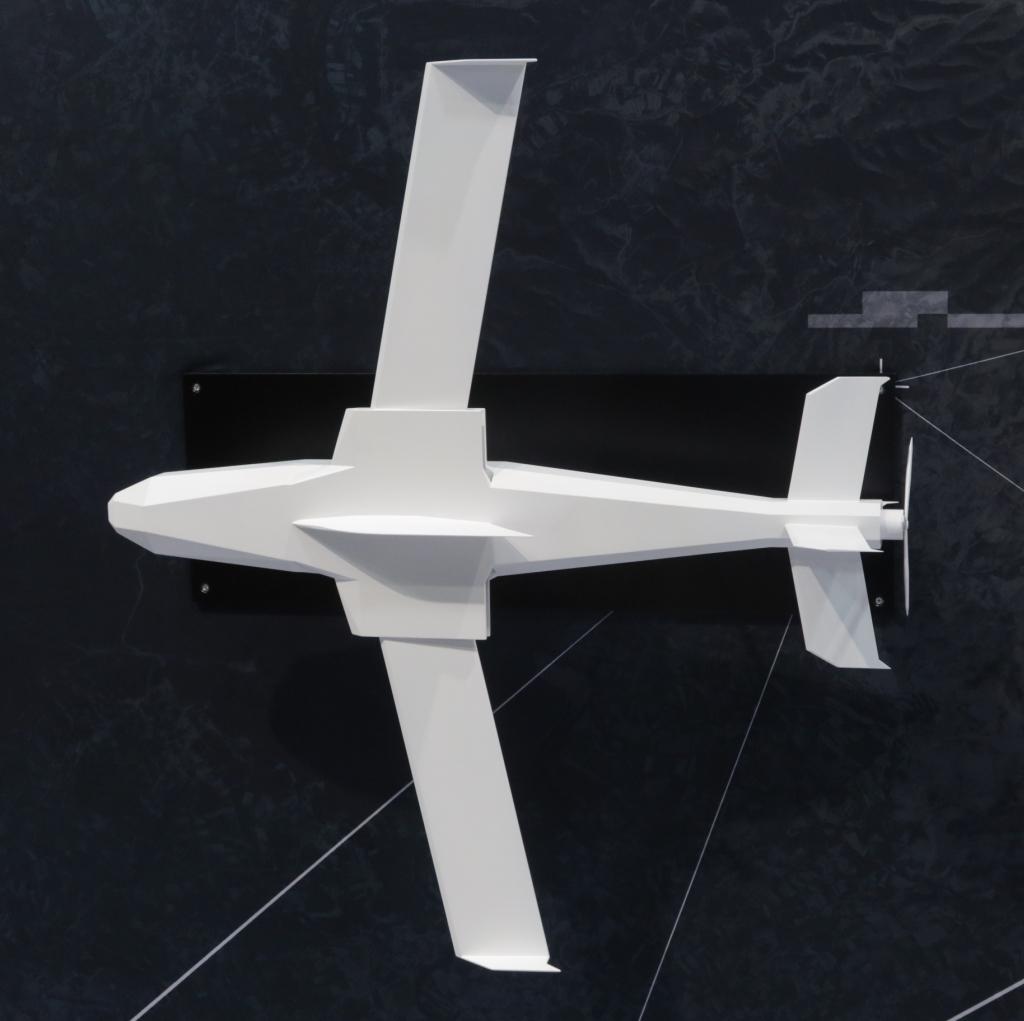
The fuselage of the FV-014 kamikaze drone incorporates a faceted structural design intended to reduce radar visibility. This shape contributes to lowering detection probability in contested environments.
The drone is powered by an electric motor, which reduces acoustic signature compared to conventional combustion engines. Lower noise levels enhance survivability during reconnaissance and target approach phases.
These stealth oriented features suggest that the FV-014 kamikaze drone is optimized for operations in environments where detection avoidance is critical.
Anti Armor Warhead and Strike Power
The FV-014 kamikaze drone carries a warhead weighing approximately 5 kilograms. According to technical data released during the demonstration, the warhead is capable of penetrating more than 600 millimeters of homogeneous armor.
This penetration capability makes the drone suitable for engaging:
-
Armored vehicles
-
Artillery systems
-
Fortified positions
-
Command and control posts
The combination of loitering capability and anti armor effectiveness allows the FV-014 kamikaze drone to function as a precision strike solution against high value tactical targets.
Operator Control and Mission Flexibility
The FV-014 kamikaze drone is controlled through a dedicated ground station. Operators can monitor live reconnaissance feeds, identify targets, track movement, and decide whether to proceed with or abort a strike.
The ability to cancel a mission mid flight adds a layer of operational control, which may reduce unintended damage in complex environments. This flexibility reflects a growing emphasis on controlled precision in modern unmanned systems.
By integrating reconnaissance and engagement within one controllable system, the FV-014 kamikaze drone provides battlefield adaptability.
Electronic Warfare Resistance
A significant feature highlighted during the unveiling was the drone’s ability to operate under electronic countermeasure conditions. The FV-014 kamikaze drone can function even in the absence of satellite navigation signals.
This resilience enhances survivability in contested environments where GNSS jamming is common. The capability to maintain operational effectiveness without relying solely on satellite navigation strengthens its deployment potential in high intensity conflicts.
Electronic warfare resistance is increasingly viewed as essential for next generation unmanned systems, and the FV-014 kamikaze drone appears designed with this requirement in mind.
Swarm Capabilities and Air Defense Saturation
Another advanced feature of the FV-014 kamikaze drone is its potential for swarm deployment. Multiple units can be launched simultaneously to engage several targets or saturate enemy air defense systems.
Swarm tactics increase the likelihood of mission success by overwhelming defensive interception capabilities. When used in coordinated formations, the drones can divide defensive focus and create multiple engagement vectors.
This functionality positions the FV-014 kamikaze drone within the broader evolution of networked and coordinated unmanned warfare systems.
Strategic Implications for European Defense
The unveiling of the FV-014 kamikaze drone reflects broader trends in European defense modernization. As military planners emphasize autonomous systems, loitering munitions have gained prominence due to their cost efficiency and tactical precision.
For Germany, the development of the FV-014 kamikaze drone underscores its growing investment in advanced unmanned technologies. It also demonstrates Rheinmetall’s expanding portfolio in next generation strike systems.
Defense analysts note that loitering munitions combine surveillance and strike functions in ways that reshape battlefield tactics. The integration of endurance, precision, and electronic resilience suggests that the FV-014 kamikaze drone is designed for multi domain operations.
Key Specifications Summary
-
Operational range up to 100 kilometers
-
Flight endurance of 70 minutes
-
5 kilogram warhead
-
Armor penetration exceeding 600 millimeters
-
Electric motor for reduced noise
-
Faceted fuselage for reduced visibility
-
GNSS independent operational capability
-
Swarm deployment potential
These specifications collectively define the FV-014 kamikaze drone as a long range, precision loitering munition suited for modern tactical environments.
Conclusion
The unveiling of the FV-014 kamikaze drone marks a significant development in the field of unmanned combat systems. With extended range, precision targeting, electronic warfare resilience, and swarm capability, the drone represents a new generation of tactical strike technology.
As defense modernization continues across Europe and within NATO aligned forces, systems like the FV-014 kamikaze drone are likely to play an increasingly central role in future operational planning.
The demonstration in Germany highlights not only technological advancement but also the shifting nature of modern warfare, where unmanned precision systems are becoming key components of battlefield strategy.
For more News, Please Visit our Hompage