 0
0
 0
0
Frida Baby Marketing Controversy is drawing widespread criticism after the United States based babycare company faced backlash over marketing slogans that many critics described as inappropriate and sexualised. The controversy emerged following viral social media posts and product packaging that used adult themed language to promote baby related items.
The debate has raised broader questions about branding boundaries in family focused industries and the role of humor in advertising products designed for infants and toddlers.

What Sparked the Frida Baby Marketing Controversy
Frida, a well known babycare brand, came under fire after a now deleted Instagram post advertising a rectal thermometer included the caption, “This is the closest your husband’s gonna get to a threesome.”
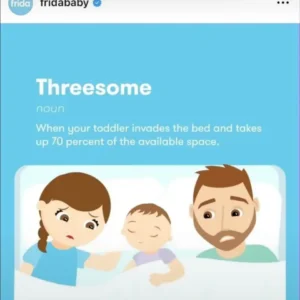
Another image reportedly featured an illustration of a baby sleeping between its parents alongside the text, “Threesome: When your toddler invades your bed and takes up 70 per cent of the space.”
Critics argued that the language blurred lines between adult humor and child related products. Screenshots of the posts circulated widely online before being removed.
The Frida Baby Marketing Controversy intensified as social media users debated whether the slogans were meant to be tongue in cheek humor targeting parents or whether they crossed ethical boundaries by sexualising situations involving children.
Packaging Language Draws Additional Criticism
The controversy was not limited to social media. Consumers also pointed to product packaging displayed in stores.
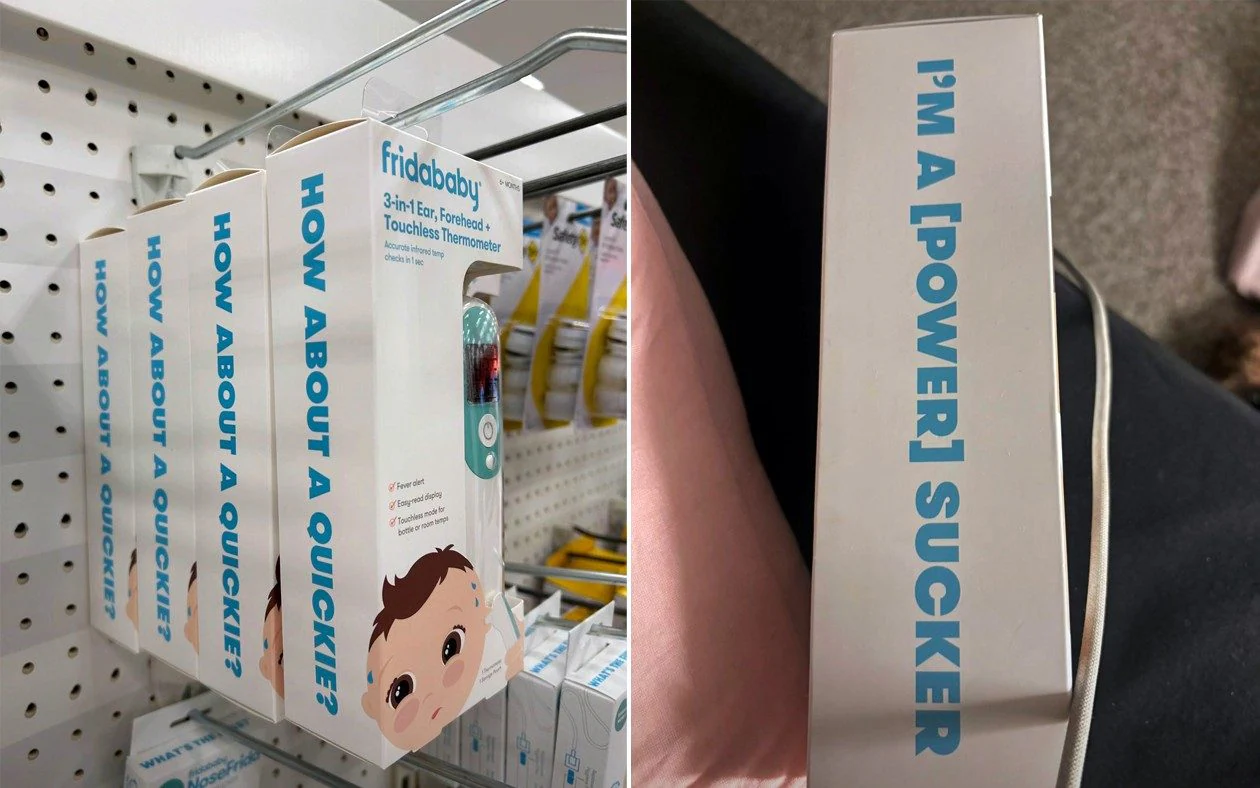
One touchless thermometer reportedly featured the phrase “Fancy a quickie?” printed on the box. Instructions for a scent diffuser included the headline “I get turned on easily.”
While the company has often used playful and edgy branding to appeal to millennial parents, critics argued that such wording was inappropriate when applied to babycare products.
Supporters of the brand suggested the slogans were designed to resonate with exhausted parents through humor. Opponents maintained that sexual innuendo should not appear in marketing tied to infant care items.
The Frida Baby Marketing Controversy highlights the fine line companies walk when attempting to differentiate their products in competitive markets.
Social Media Reaction and Public Debate
The posts quickly gained traction online, with users sharing screenshots and expressing concern. Some parents described the messaging as uncomfortable and unnecessary.
Others argued that the jokes were clearly aimed at adults and did not involve explicit imagery of children. They suggested that humor about parenting challenges has become common in modern advertising.
The viral nature of the Frida Baby Marketing Controversy demonstrates how quickly marketing campaigns can become reputational risks in the digital age. Even deleted content can continue circulating through reposts and commentary.
Brand Identity and Edgy Marketing
Frida has built its brand identity around candid and sometimes bold discussions of parenting realities. The company markets products ranging from thermometers to grooming tools for infants.
Its advertising style often departs from traditional soft toned baby branding. Instead of pastel imagery and gentle slogans, the company has leaned toward humor that reflects the stress and unpredictability of parenthood.
The Frida Baby Marketing Controversy raises questions about how far brands can push comedic angles before alienating customers.
Marketing experts note that humor can increase brand memorability. However, when jokes intersect with sensitive topics such as children and sexuality, backlash can escalate quickly.
Broader Questions About Marketing Ethics
The situation has also sparked discussion about ethical marketing standards for products aimed at families.
Babycare brands operate in a sector built on trust, safety, and emotional sensitivity. Parents often rely on these companies for essential health and hygiene tools.
The Frida Baby Marketing Controversy illustrates how messaging choices can impact consumer confidence. While the slogans may have been intended as adult humor, critics argue that the association with baby products created discomfort.
Industry analysts suggest that companies in child focused markets face higher scrutiny than brands in other sectors. Language that might be acceptable in general consumer goods advertising can provoke stronger reactions when connected to infant products.
Impact on Brand Reputation
At the time of the controversy, the Instagram posts in question had been deleted. It remains unclear whether the company plans to adjust its marketing tone in response to public criticism.
Reputation management experts note that viral controversies can have both short term and long term effects. Immediate backlash may affect online sentiment, while sustained criticism can influence purchasing decisions.
The Frida Baby Marketing Controversy serves as a reminder that digital marketing campaigns can quickly extend beyond their intended audience.
Companies increasingly face pressure to balance creativity with cultural awareness and sensitivity.
For more news, please Visit our Homepage