


France heat wave restrictions Europe have been introduced as the country faces an intense and prolonged heat wave affecting large parts of Western and Southern Europe. Authorities in France have taken emergency steps to reduce public exposure to extreme temperatures, including limiting outdoor activities and restricting certain public behaviors.
The situation escalated as temperatures climbed to dangerous levels, prompting widespread disruptions in transport, cultural events, and sports activities. With about a third of the country placed under the highest level of heat warning, officials are urging residents and visitors to limit exposure during peak hours.
Meteorologists warn that the heat wave may continue to intensify, with even higher temperatures expected in the coming days.

Rising temperatures trigger emergency response
The current weather system has pushed temperatures in parts of France close to 40°C, creating hazardous conditions for public health and infrastructure. Unlike many countries, France has relatively low household air-conditioning coverage, increasing the risk of heat-related illnesses.
Authorities responded with several emergency measures aimed at reducing risk and maintaining public safety.
Key measures include:
- Restrictions on outdoor sports and public gatherings
- Temporary cancellation of cultural events and concerts
- Public advisories limiting alcohol consumption in open spaces
- Cooling stations installed in major cities
These actions form part of broader efforts linked to France heat wave restrictions Europe, which aim to reduce strain on healthcare services and prevent heat-related fatalities.
Transport disruptions and event cancellations
The extreme heat has also impacted transportation systems across France. Train services in some regions were suspended or delayed due to safety concerns linked to high track temperatures.
Rail and mobility challenges
Rail operators introduced speed reductions and temporary cancellations on select routes to prevent mechanical failures. High temperatures can cause rails to expand, increasing the risk of structural issues.
Cultural and public events affected
Several concerts, outdoor festivals, and sports events were postponed or canceled entirely. Organizers cited safety risks for both participants and audiences as temperatures continued to rise.
These disruptions reflect how France heat wave restrictions Europe extend beyond health guidelines into daily life, affecting mobility and entertainment nationwide.
Public safety measures and cooling interventions
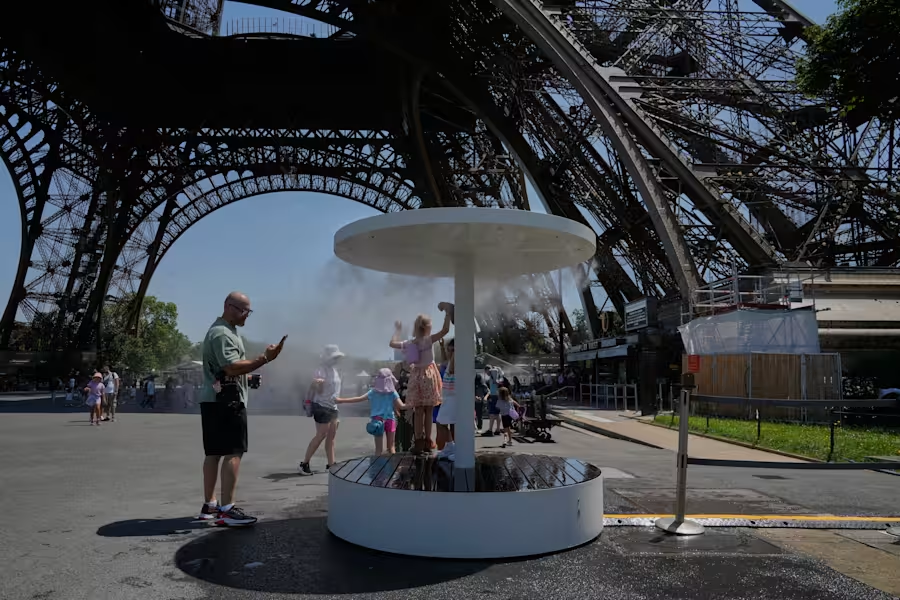
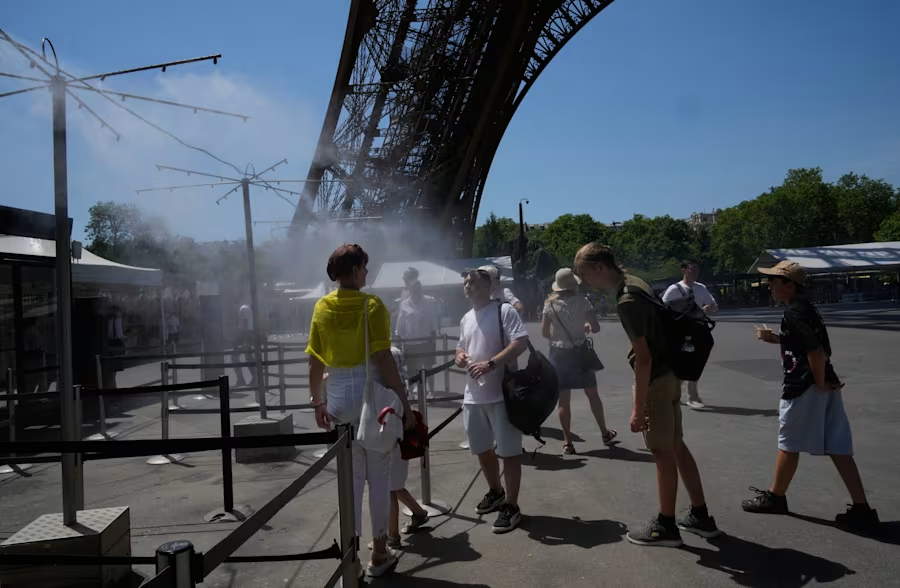
Cities across France have activated cooling strategies to support residents during peak heat hours. One of the most visible measures includes misting stations placed in popular public areas.
Cooling infrastructure in urban centers
In Paris, temporary cooling systems were installed near major tourist landmarks, including the Eiffel Tower. These stations provide fine water mist to help reduce body temperature for pedestrians and tourists.
Other measures include:
- Opening air-conditioned public buildings for relief
- Increasing access to drinking water stations
- Adjusting public transport schedules where possible

Guidance for residents and tourists
Authorities have issued safety advice focusing on hydration and exposure reduction:
- Avoid outdoor activities during midday heat
- Stay hydrated with regular water intake
- Check on elderly and vulnerable individuals
- Seek shaded or cooled environments
These precautions align closely with France heat wave restrictions Europe policies designed to minimize health risks during extreme weather events.
Impact across Europe as heat spreads
The heat wave is not limited to France. Several neighboring countries, including Spain and Italy, are also experiencing extreme temperatures and similar disruptions.
Spain and southern Europe response
In Spain’s Basque region, officials canceled certain sporting and cultural events due to unsafe outdoor conditions. Public authorities in other southern regions have also issued heat advisories.
Italy and tourist behavior changes
In Italy, particularly in Rome, tourists were observed seeking relief in public fountains as temperatures soared. This behavior highlights the widespread intensity of the heat wave across tourist-heavy regions.
The shared response across countries shows how France heat wave restrictions Europe are part of a larger continental effort to manage a widespread climatic event.
Health risks and reported incidents
Health officials have raised concerns over increased heat-related illnesses and water safety risks. Reports of drownings have emerged as individuals attempt to cool off in rivers, lakes, and other natural water sources.
Heat-related medical concerns
Hospitals are preparing for increased admissions linked to:
- Heat exhaustion
- Dehydration
- Heatstroke
Water safety warnings
Authorities have emphasized caution around swimming in unfamiliar or unregulated water bodies. Sudden temperature changes and overcrowding at popular cooling spots increase risks.
These developments underline the importance of France heat wave restrictions Europe, which aim to prevent avoidable emergencies during extreme conditions.
Forecast and expected conditions ahead
Weather forecasts indicate that the heat wave may persist, with some regions expected to experience even higher temperatures in the short term. Meteorological agencies continue to monitor the situation closely.
Possible continuation of extreme heat
The persistence of high-pressure systems over Europe is contributing to sustained heat conditions. Without significant atmospheric changes, temperatures may remain above seasonal averages.
Preparedness measures moving forward
Authorities are expected to maintain or expand current restrictions if conditions worsen. This may include additional limits on outdoor activity and extended public cooling initiatives.


FAQ
Why did France introduce heat wave restrictions across public activities?
France introduced heat wave restrictions to reduce health risks during extreme temperatures, especially in areas where air-conditioning is limited and outdoor conditions are dangerous.
How does the France heat wave restrictions Europe policy affect daily life?
It affects transport, outdoor sports, cultural events, and public gatherings, while also encouraging reduced outdoor exposure during peak heat hours.
Which European countries are also affected by the heat wave?
Spain, Italy, and other parts of southern and western Europe are experiencing similar high temperatures and have introduced their own safety measures.
What health risks are linked to extreme heat in Europe?
Common risks include heat exhaustion, dehydration, heatstroke, and increased drowning incidents as people seek cooling in open water.
Conclusion
The ongoing extreme weather has made France heat wave restrictions Europe a central response to one of the most significant heat events affecting the region. With transport disruptions, canceled events, and public safety measures in place, authorities continue to prioritize health and risk reduction. As temperatures remain elevated, ongoing vigilance and adherence to safety guidance remain essential across affected areas.
Click here for more news


