


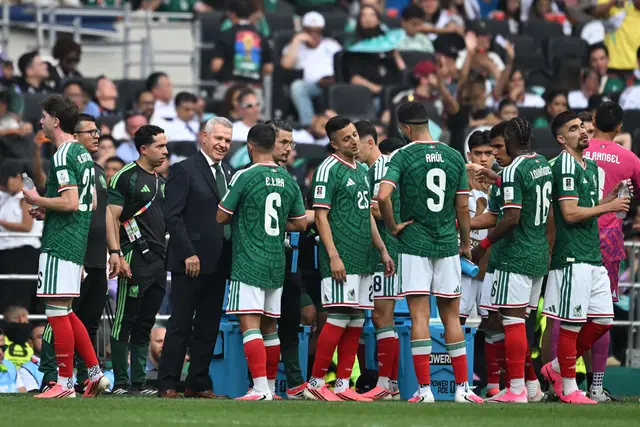
The FIFA World Cup hydration break rule became a major talking point during the opening match of the 2026 FIFA World Cup after a broadcaster was reported to have breached FIFA guidelines not once but twice during coverage of Mexico’s victory over South Africa.
Mexico secured a comfortable 2-0 win over South Africa at the historic Estadio Azteca, with goals from Julián Quiñones and Raúl Jiménez helping the co-hosts begin their campaign on a positive note. However, much of the post-match discussion focused on television coverage and the implementation of FIFA’s newly introduced hydration breaks.
The incident highlighted one of several new regulations introduced for the expanded 2026 World Cup and raised questions about how broadcasters will adapt to the tournament’s evolving rules.
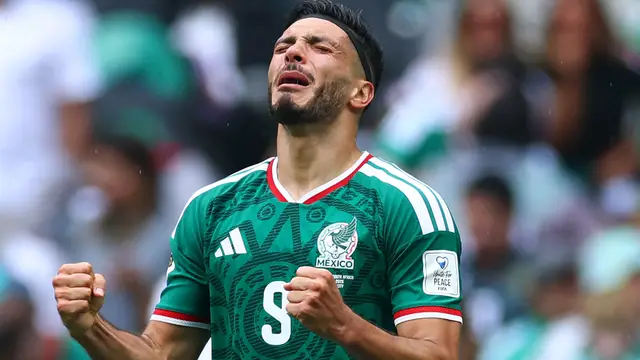

Mexico Open the 2026 World Cup With Victory
The first match of the tournament brought together co-hosts Mexico and South Africa in front of a packed crowd at Estadio Azteca.
Mexico controlled much of the game and took an early lead through Quiñones before Jiménez sealed the result in the second half. The match also produced significant drama, including three red cards, making it one of the most eventful opening fixtures in World Cup history.
Three Red Cards Add to the Drama
South Africa’s Sphephelo Sithole and Themba Zwane were both sent off during the contest, leaving Bafana Bafana with only nine players.
Mexico also finished with ten men after César Montes received a red card in stoppage time.
The disciplinary incidents added further intensity to an already dramatic encounter.
A Historic Opening Match
The match attracted global attention as the first fixture of the 2026 FIFA World Cup.
With goals, red cards, and new tournament regulations being introduced, the game provided plenty of talking points for fans and analysts alike.
FIFA World Cup Hydration Break Rule Introduced
One of the biggest changes at the 2026 World Cup is the introduction of mandatory hydration breaks.
The FIFA World Cup hydration break rule was introduced as part of efforts to protect players from extreme weather conditions expected during the tournament across North America.
With several host cities expected to experience high temperatures and humidity levels, football authorities determined that additional breaks would support player welfare.
Why FIFA Introduced the Rule
Player safety has become an increasingly important issue in modern football.
The new hydration break system allows players to rehydrate and recover during matches played in challenging weather conditions.
The breaks are designed to reduce health risks associated with heat exposure while ensuring players can continue performing at a high level.
How the New Hydration Breaks Work
Under the FIFA World Cup hydration break rule, teams receive two scheduled three-minute hydration breaks during a match.
These breaks take place approximately midway through each half and provide players with an opportunity to take on fluids and receive brief instructions from coaching staff.
The system made its official World Cup debut during the Mexico versus South Africa opener.
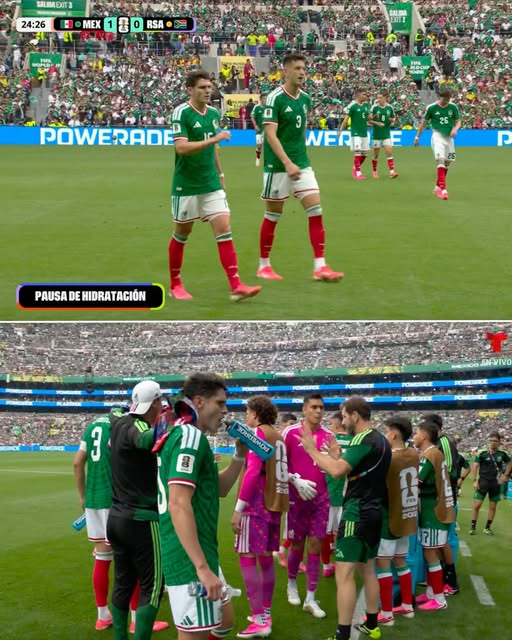

Broadcaster Reportedly Breaches FIFA Guidelines
While the hydration breaks were introduced to support players, they also created new opportunities for broadcasters and advertisers.
According to reports, Fox Sports in the United States chose to air commercial advertisements during both hydration breaks.
The decision reportedly led to issues regarding FIFA’s broadcast guidelines.
FIFA’s Broadcast Requirements
FIFA permits broadcasters to display full-screen advertisements during hydration breaks.
However, broadcasters are expected to return to the live match feed at least 30 seconds before play resumes.
The requirement is intended to ensure viewers do not miss any on-field developments as players prepare to restart the match.
First Breach During Opening Half
Reports suggest the broadcaster failed to return to the live feed within the required timeframe during the first hydration break.
Although the delay was relatively minor, it immediately drew attention because it occurred during the opening match of the tournament.
The incident became one of the first controversies surrounding the FIFA World Cup hydration break rule.
Second Incident Draws More Attention
The second reported breach attracted even greater scrutiny.
The hydration break occurred shortly after Raúl Jiménez doubled Mexico’s advantage in the 67th minute.
During the pause, viewers were shown several advertisements rather than continuous match coverage.
Commercials Continue During Break
Among the advertisements reportedly shown were campaigns featuring football stars and major corporate brands.
The extended commercial segment lasted for much of the hydration break period.
As a result, the broadcaster was reportedly late returning to the live action.
Match Resumes Before Coverage Returns
Reports indicate that play had already resumed for several seconds before the broadcast switched back to the match.
This meant viewers missed a brief portion of live action following the hydration interval.
The incident intensified discussion around how the FIFA World Cup hydration break rule should be implemented by broadcasters throughout the tournament.
Different Broadcasters Take Different Approaches
Not all television networks handled the hydration breaks in the same way.
Several international broadcasters chose to remain focused on the match rather than switch to commercial advertisements.
United Kingdom Coverage
In the United Kingdom, ITV reportedly continued showing players and team activity during the hydration breaks.
Commentators provided analysis and insights while the cameras remained focused on events inside the stadium.
Similar Approach in Other Countries
Broadcasters in Denmark and Australia followed a comparable strategy by keeping viewers connected to the match environment.
This approach allowed audiences to observe coaching instructions, player discussions, and preparations for the restart.
Some Networks Opt for Advertisements
Other broadcasters, including television channels in Germany and Argentina, reportedly chose to show advertisements during the hydration intervals.
This demonstrates the different ways networks are adapting to the new FIFA World Cup hydration break rule.
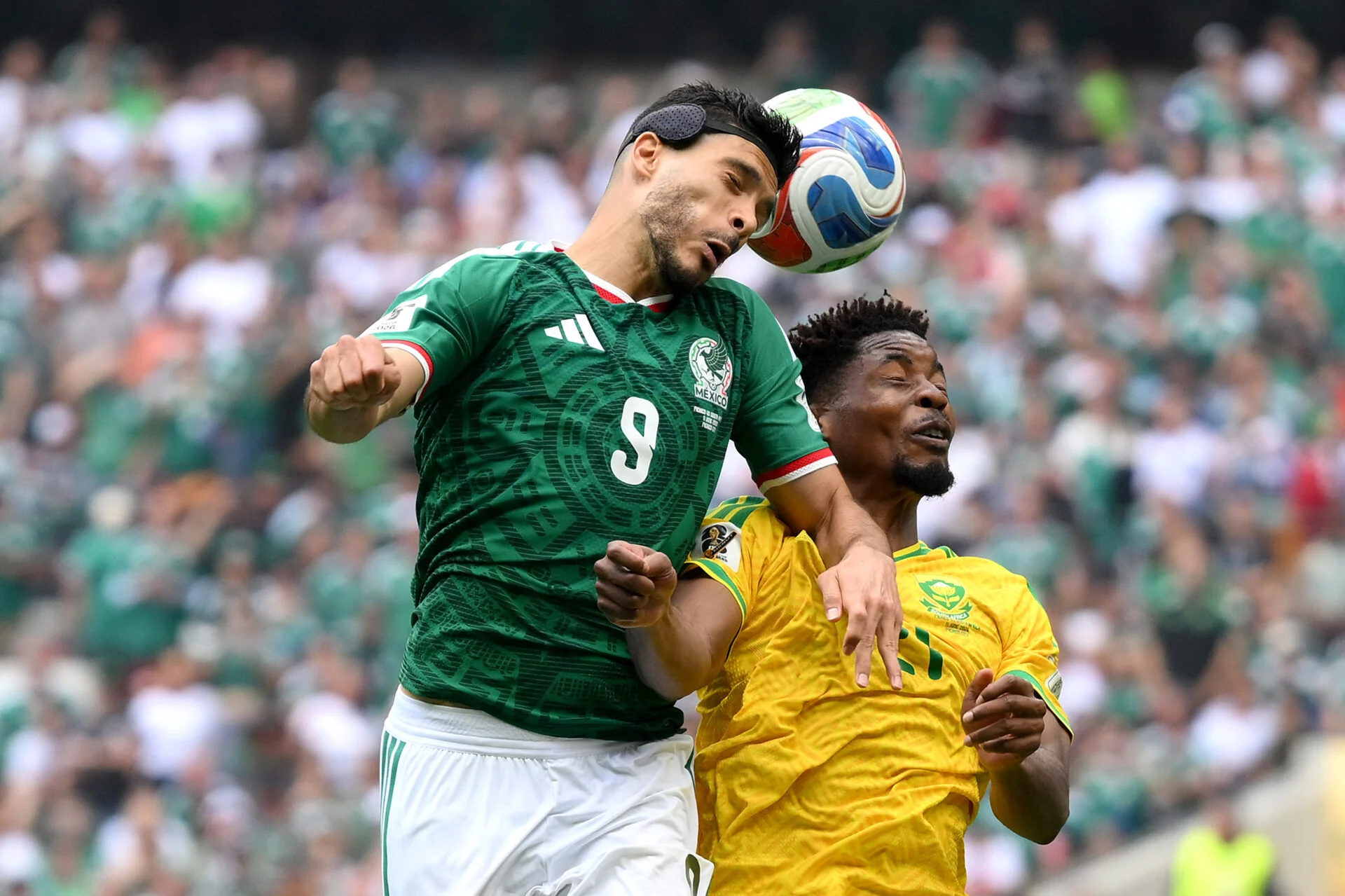

Impact of Hydration Breaks on Matches
The introduction of mandatory hydration breaks has generated mixed reactions from football fans and analysts.
While most agree that player welfare should remain a priority, some believe the pauses could affect the natural flow of games.
Potential Effect on Match Momentum
Critics argue that frequent interruptions may disrupt momentum, particularly during periods of sustained attacking pressure.
Players and teams often rely on rhythm, and scheduled pauses can alter the tempo of a match.
Tactical Opportunities for Coaches
On the other hand, coaches may benefit from the additional stoppages.
The FIFA World Cup hydration break rule provides managers with valuable opportunities to deliver tactical instructions and make adjustments without using substitutions.
This could influence strategies throughout the tournament.
What This Means for the Rest of the Tournament
The FIFA World Cup hydration break rule is expected to remain a key feature throughout the competition.
With many matches scheduled in warm-weather environments, hydration breaks will likely become a regular part of the viewing experience.
Broadcasters will also face increased scrutiny to ensure they comply with FIFA’s guidelines regarding coverage during these stoppages.
As the tournament progresses, both fans and broadcasters will continue adapting to one of the most significant rule changes introduced for the 2026 World Cup.
FAQ
What is the FIFA World Cup hydration break rule?
The FIFA World Cup hydration break rule requires two mandatory hydration breaks during matches to help players cope with extreme temperatures and humidity.
Why was the FIFA World Cup hydration break rule introduced?
The rule was introduced to improve player welfare and reduce the risks associated with playing in hot weather conditions.
Which broadcaster reportedly breached FIFA’s guidelines?
Reports indicated that Fox Sports in the United States failed to return to the live match feed within FIFA’s recommended timeframe during hydration breaks.
Do hydration breaks affect match momentum?
Some football observers believe hydration breaks can disrupt the rhythm of a game, while others argue they provide important benefits for player safety and coaching strategy.
The FIFA World Cup hydration break rule made its debut during the opening match of the 2026 World Cup, but attention quickly shifted to reported broadcast guideline breaches. While the rule was introduced to protect players competing in challenging conditions, the incident demonstrated the challenges broadcasters face when balancing commercial interests with FIFA’s coverage requirements. As the tournament continues, both broadcasters and fans will become increasingly familiar with this new feature of World Cup football.
PLEASE CLICK HERE FOR MORE NEWS


