0
0
 0
0
A deadly winter storm has left at least 23 people dead while millions face dangerously cold temperatures. The storm brought heavy snow, freezing rain, and strong winds. It disrupted travel and caused widespread power outages.
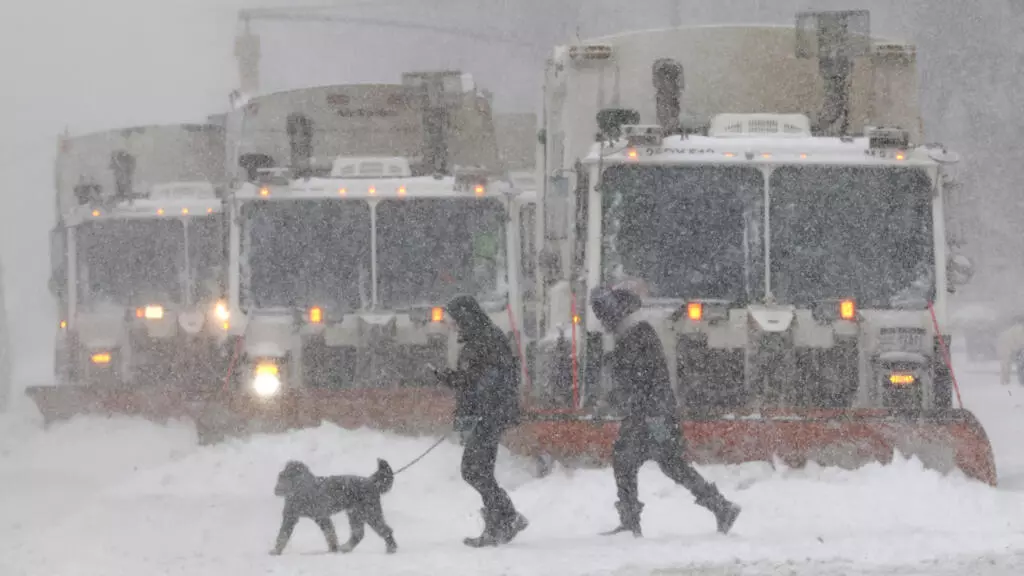
Record Snowfall Across the Northeast
Parts of the Northeast recorded heavy snowfall. Connecticut saw over 22 inches, and Boston had more than 16 inches. Nearly half of the contiguous US received at least a foot of snow. New Mexico’s Bonito Lake reported the highest total at 31 inches.
Power Outages and Cold Risks
Southern states, including Tennessee, Texas, Mississippi, and Louisiana, were especially affected. More than 550,000 homes remained without power. Record low temperatures in some areas created dangerous conditions for people without electricity.
Deaths Linked to Storm Conditions
The fatalities were caused by hypothermia, traffic accidents, and snow-related incidents. In New York City, eight deaths occurred as temperatures dropped sharply. Across the country, residents are being urged to stay off roads and take precautions against frostbite.
Polar Vortex Drives the Storm
The storm resulted from a stretched polar vortex, which pushed Arctic air across much of the US. Meteorologists warn that disruptions like this may become more frequent due to climate change, though natural variability also plays a role.
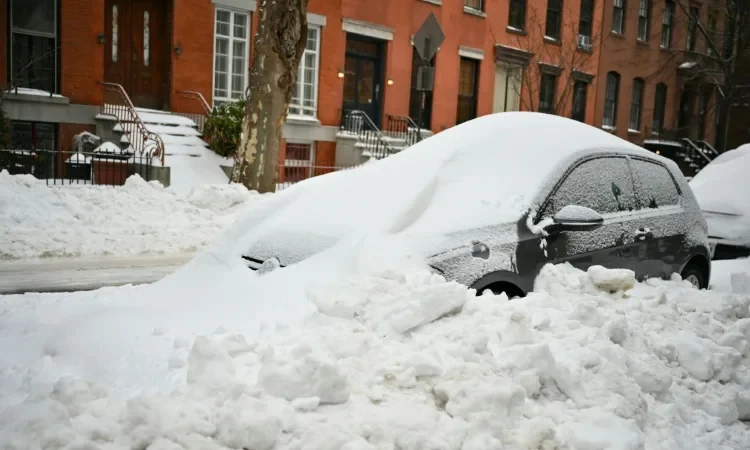
Emergency Response and Recovery
Authorities have opened emergency warming shelters in cities like Nashville, where icy trees are still falling and power restoration is ongoing. Cleanup is difficult because many areas lack winter resources, especially in southern states unaccustomed to heavy snow.
Key Takeaways:
-
Deadly storm kills 23 and leaves millions in extreme cold.
-
Northern US remains below freezing; South struggles with outages.
-
Polar vortex caused widespread snowfall, record totals in some states.
-
Emergency shelters open and travel remains dangerous.