


EU Ukraine aid conditions have been outlined as Brussels prepares to release the first tranche of macro-financial assistance under a massive long-term support package for Kyiv.
Ukraine is expected to complete several reforms tied to taxation, customs administration, public finance management, and anti-corruption measures before the next round of funding can be approved.
EU Approves Large Financial Support Framework
The European Union recently advanced plans for a major multi-billion-euro assistance programme for Ukraine.
Size of the Support Package
The overall programme reportedly includes:
- €90 billion in long-term assistance
- Budget support funding
- Financial stabilization measures
- Economic recovery assistance
The first release under the programme is expected to total approximately €3.2 billion.
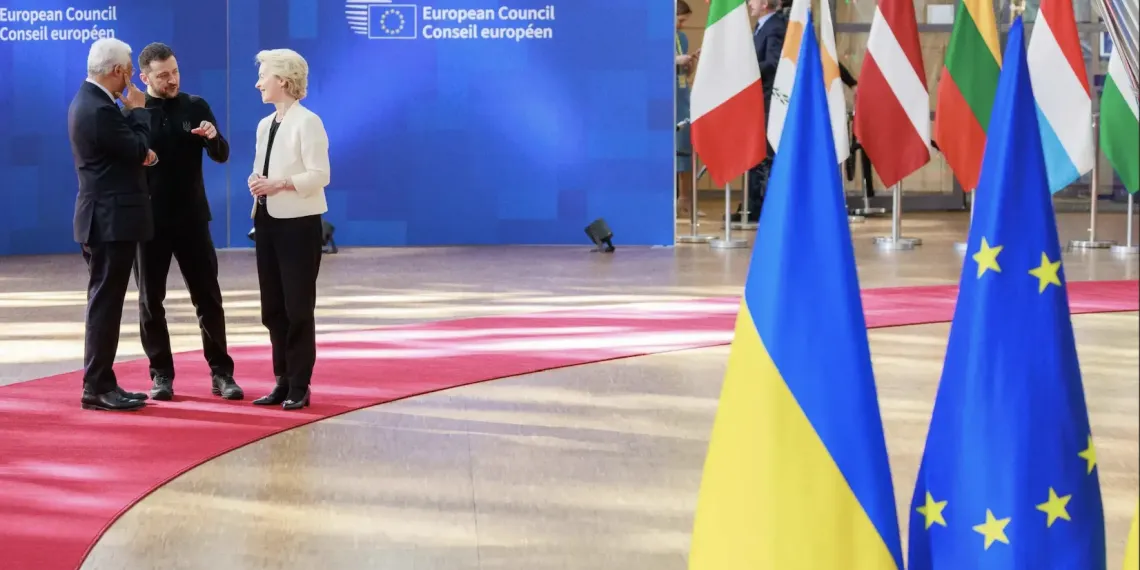

Ukraine Must Meet Reform Conditions
The EU Ukraine aid conditions require Ukraine to complete several policy and administrative reforms.
Tax and Customs Reforms Included
Among the key conditions are:
- Submitting legislation to remove VAT exemptions on imported parcels worth up to €150
- Updating the Customs Code
- Appointing a permanent head of the State Customs Service
The reforms are intended to strengthen tax collection and improve customs oversight.
VAT Exemption Changes Under Review
One of the most closely watched conditions involves imported parcel taxation.
Proposed VAT Rule Changes
Ukraine is expected to introduce legislation ending VAT exemptions for:
- Low-value imported goods
- Parcels under €150
- Certain cross-border e-commerce shipments
The move aligns with broader EU efforts to tighten tax collection in digital and import markets.
Digital Platform Taxation Also Included
The EU Ukraine aid conditions also cover taxation of digital platforms.
Expanding Digital Tax Rules
Officials are reportedly seeking:
- Improved taxation of online platforms
- Expanded digital economy oversight
- Stronger fiscal controls
Ukraine has already taken steps toward introducing some digital taxation measures.
Military Levy Extension Required
Another condition involves maintaining wartime financial measures.
Income-Related Military Levy
Ukraine has already approved legislation extending:
- A military levy on personal income
- Temporary wartime taxation measures
The legislation has reportedly already passed parliament and received presidential approval.

Public Investment and Finance Reforms Needed
The EU also wants broader reforms in public spending and fiscal management.
Additional Requirements
Ukraine is expected to:
- Approve a Public Finance Management Strategy
- Support sector-based public investment planning
- Improve budget management systems
These measures are aimed at increasing financial transparency and accountability.
Customs Leadership Appointment Required
The EU Ukraine aid conditions place strong emphasis on customs administration.
Permanent Customs Chief Needed
Ukraine must appoint:
- A permanent head of the State Customs Service
The requirement reflects concerns about:
- Revenue collection
- Border management
- Institutional stability
Customs reform remains a key issue in Ukraine’s broader economic modernization plans.
Rule of Law and Anti-Corruption Reforms Remain Important
The financial assistance package is also linked to governance reforms.
EU Continues Monitoring Progress
European officials are reportedly seeking stronger progress in:
- Rule of law reforms
- Anti-corruption measures
- Judicial transparency
- Institutional accountability
These areas remain central to Ukraine’s long-term EU integration efforts.
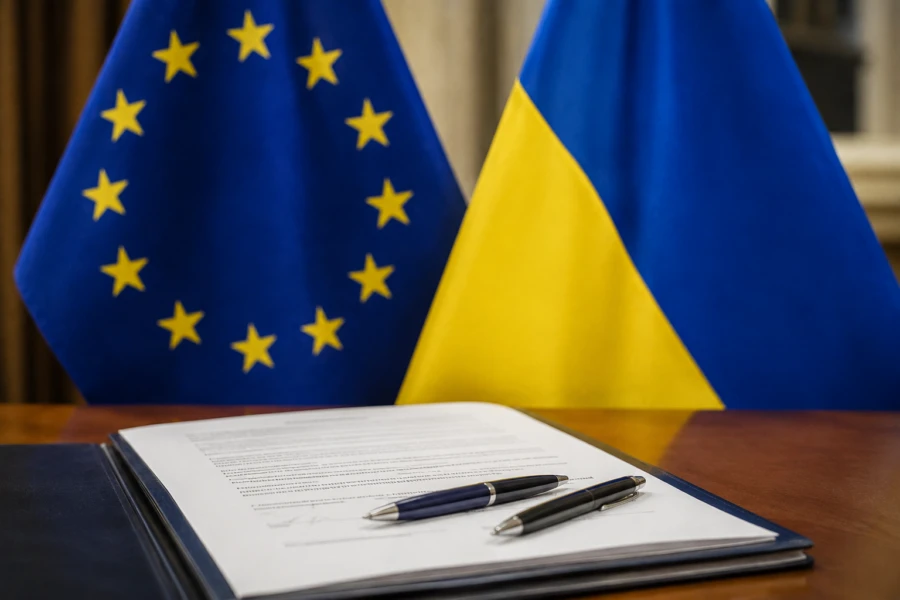
Memorandum Signed Between Ukraine and EU
Ukraine and the European Union have already taken formal steps toward implementing the programme.
Financial Assistance Memorandum
Officials recently initialled a memorandum related to:
- €8.35 billion in macro-financial assistance
- The broader €90 billion support framework
The agreement represents one of the EU’s largest ongoing financial commitments to Ukraine.
Economic Pressure Continues During War
The aid package comes as Ukraine continues facing major wartime economic challenges.
Areas Facing Financial Strain
Ukraine continues to manage:
- Infrastructure damage
- Budget deficits
- Military spending pressure
- Economic disruptions caused by war
External financial support remains critical for maintaining government operations and recovery efforts.
Frequently Asked Questions
What are the EU Ukraine aid conditions?
The conditions include tax reforms, customs updates, anti-corruption measures, and public finance reforms.
How much financial aid is Ukraine expected to receive?
The broader programme is valued at €90 billion, with the first tranche expected to total €3.2 billion.
Why is the EU requesting customs reform?
The EU wants stronger oversight, improved revenue collection, and better institutional management.
What is changing with imported parcel taxes?
Ukraine may remove VAT exemptions for imported parcels worth less than €150.
Conclusion
The EU Ukraine aid conditions highlight the growing link between financial support and structural reform as Ukraine continues navigating wartime economic challenges. While the funding package offers major financial relief, the EU is also pressing for long-term improvements in taxation, governance, customs administration, and anti-corruption efforts before releasing future assistance.
PLEASE CLICK HERE FOR MORE NEWS


