


The EU sanctions on Russia are facing legal challenges that may limit their overall effectiveness, according to a European official. The comments come as the European Union continues discussions on expanding economic and political measures against Russia while ensuring that every sanctions package complies with European and international law.
The official said the effectiveness of the EU sanctions on Russia depends not only on political agreement among member states but also on strong legal foundations that allow the measures to be properly enforced. Legal consistency, officials say, is essential to reducing the risk of court challenges that could delay or weaken sanctions.
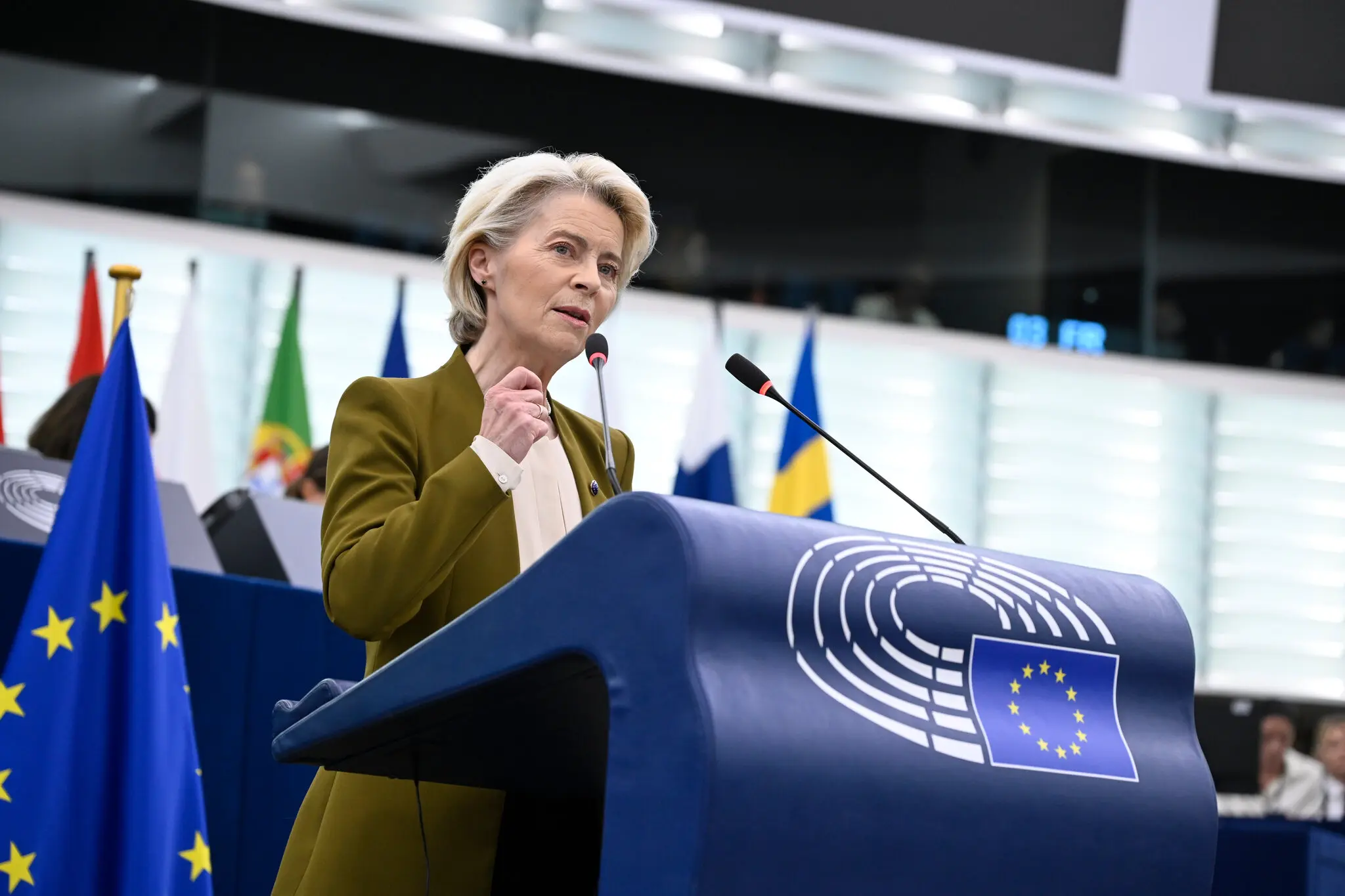

EU Sanctions on Russia Face Legal Hurdles
Speaking in Brussels, the European official explained that some sanctions currently face legal complexities that can affect how they are implemented across the European Union.
The official noted that member states must operate within established legal frameworks when enforcing sanctions. Without clear legal guidance, differences in interpretation could create obstacles to implementation.
These legal considerations have become increasingly important as the EU considers additional measures targeting Russia.
Why Legal Frameworks Matter
Officials stressed that sanctions must be supported by robust legal principles to ensure they can withstand legal scrutiny.
A well-defined legal framework helps to:
- Improve enforcement across EU member states
- Reduce legal disputes and court challenges
- Ensure consistency in implementation
- Maintain compliance with European legislation
- Align sanctions with international legal obligations
According to the official, strengthening these legal foundations is necessary to improve the long-term effectiveness of sanctions.
Balancing Politics and Law
While political agreement remains essential, officials said legal certainty plays an equally important role.
Even when member states support new sanctions politically, every measure must undergo detailed legal assessment before being formally adopted.
This process is intended to ensure that restrictions remain enforceable under both EU law and international legal standards.
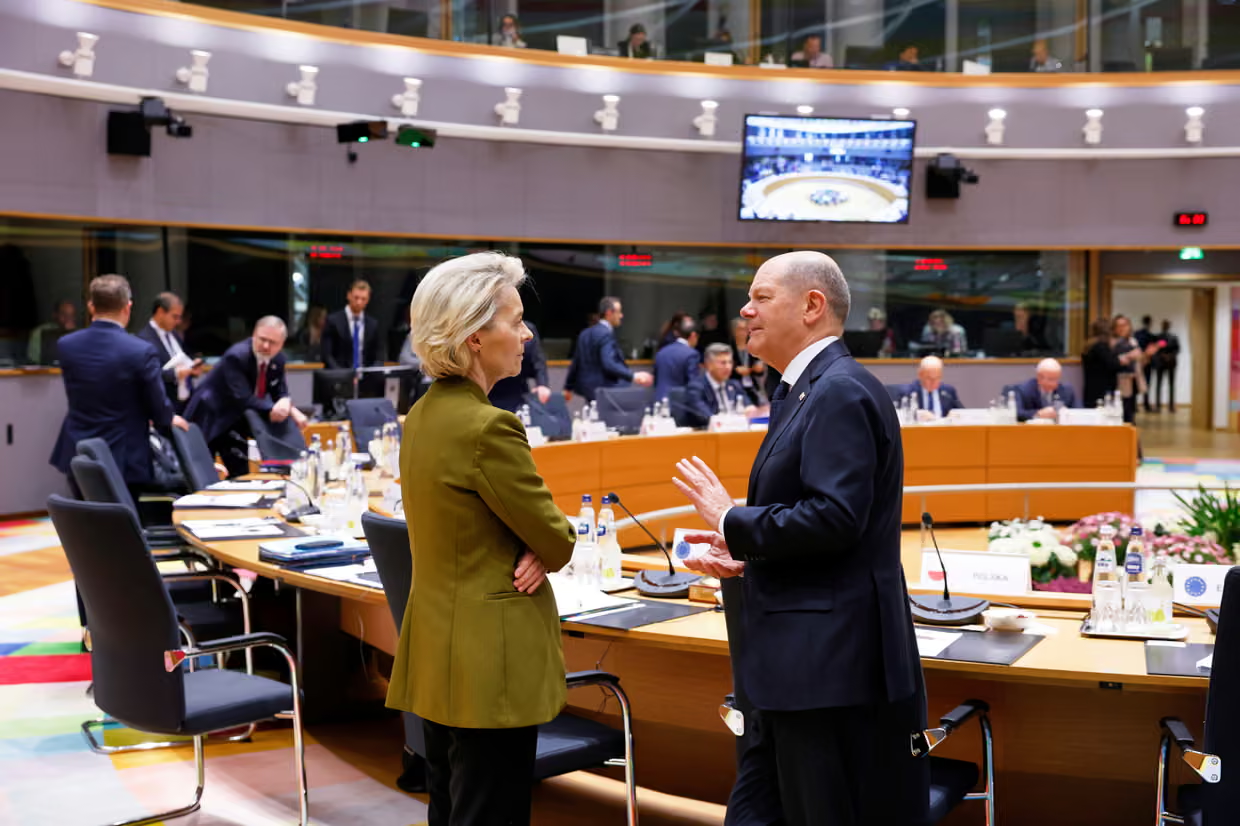

European Union Seeks Stronger Legal Frameworks
The EU sanctions on Russia continue to evolve as European institutions examine ways to improve their effectiveness.
According to the official, the European Union is exploring additional legal mechanisms that could strengthen future sanctions while maintaining consistency with existing legislation.
The objective is to ensure that restrictive measures achieve their intended political and economic goals without creating unnecessary legal uncertainty.
Ongoing Legal Reviews
Before new sanctions are approved, legal experts conduct comprehensive reviews of proposed measures.
These assessments examine whether sanctions:
- Comply with EU treaties
- Respect international legal obligations
- Can be consistently enforced across member states
- Reduce the likelihood of successful legal challenges
Officials indicated that this review process can take time before new sanctions are finalized.
Consensus Required Among EU Member States
One of the key factors affecting the EU sanctions on Russia is the requirement for unanimous approval among European Union member states.
Under current EU procedures, every new sanctions package must receive consensus before it can be adopted.
This requirement often involves extensive negotiations as governments evaluate both the legal and economic implications of proposed measures.
Why Approval Can Take Time
Several factors contribute to the timeline for adopting new sanctions, including:
- Legal assessments
- Discussions among member states
- Compliance reviews
- Evaluation of economic impacts
- Alignment with international obligations
Officials said these procedures are designed to ensure that sanctions remain legally sound and uniformly enforceable throughout the European Union.
Additional Sanctions Under Discussion
The remarks come as European leaders continue discussions on possible new restrictions targeting Russia.
These discussions form part of broader European efforts to increase economic and political pressure in response to developments related to the conflict in Ukraine.
While officials have not announced specific new measures, they confirmed that legal evaluations remain a central part of the decision-making process.
Focus on Effective Enforcement
European officials say future sanctions will aim to improve both effectiveness and legal certainty.
They believe stronger legal structures could help ensure that new restrictions achieve their intended objectives while reducing the possibility of legal disputes that might delay implementation.
Importance of Legal Certainty
Experts generally agree that sanctions are most effective when they are both politically supported and legally enforceable.
Legal certainty allows governments, financial institutions, and businesses to understand their obligations while minimizing uncertainty over compliance requirements.
For the European Union, maintaining consistency across all member states remains an important objective as additional sanctions are considered.
Frequently Asked Questions
Why are the EU sanctions on Russia facing legal challenges?
According to a European official, some sanctions require stronger legal frameworks to improve enforcement and reduce the possibility of legal disputes.
Why must EU sanctions comply with international law?
Sanctions must comply with both European legislation and international legal obligations to ensure they remain enforceable and withstand legal review.
How are new EU sanctions approved?
New sanctions require unanimous agreement among all European Union member states and must undergo detailed legal assessments before adoption.
Is the European Union planning more sanctions on Russia?
EU officials continue discussing additional sanctions as part of broader political and economic measures related to the ongoing situation involving Ukraine.
Conclusion
The EU sanctions on Russia remain a central element of the European Union’s response to developments involving Ukraine. While political support for additional measures continues, European officials emphasize that legal certainty is equally important for ensuring sanctions are effective and enforceable. As discussions continue, future sanctions are expected to undergo extensive legal review before receiving approval from all member states.
PLEASE CLICK HERE FOR MORE NEWS


