 0
0
 0
0
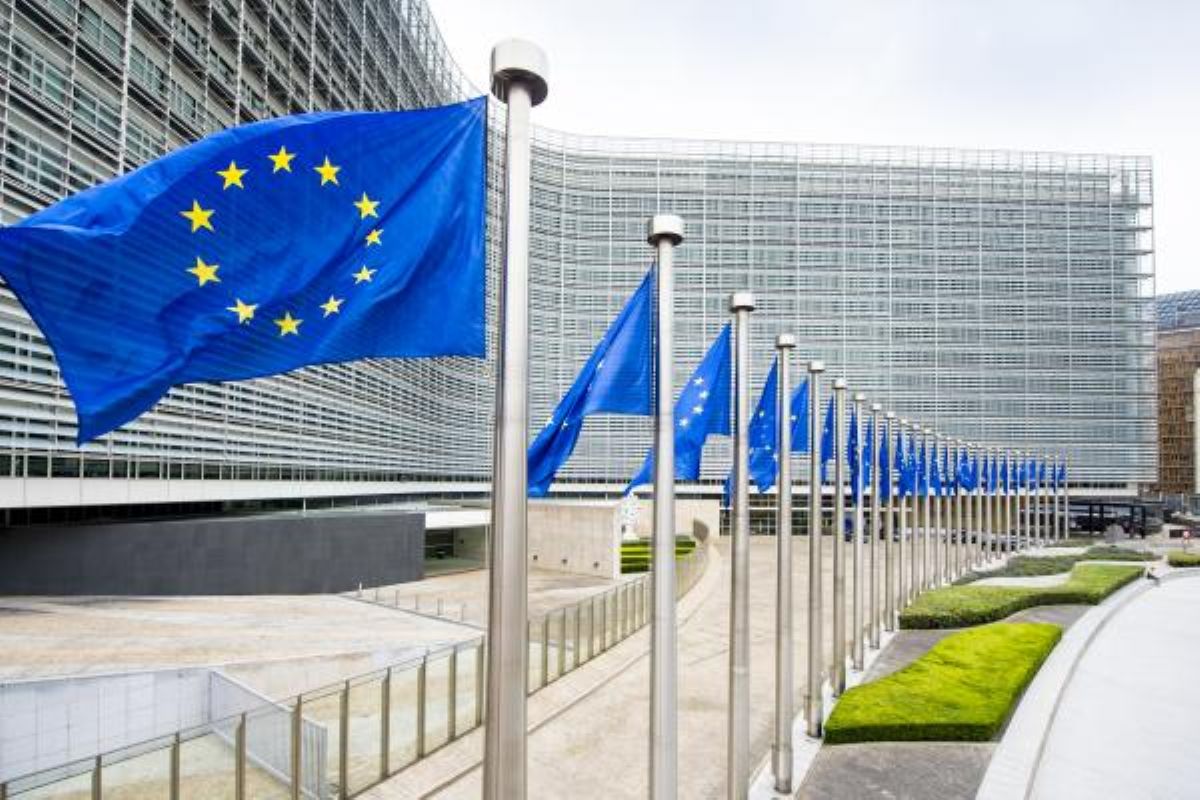
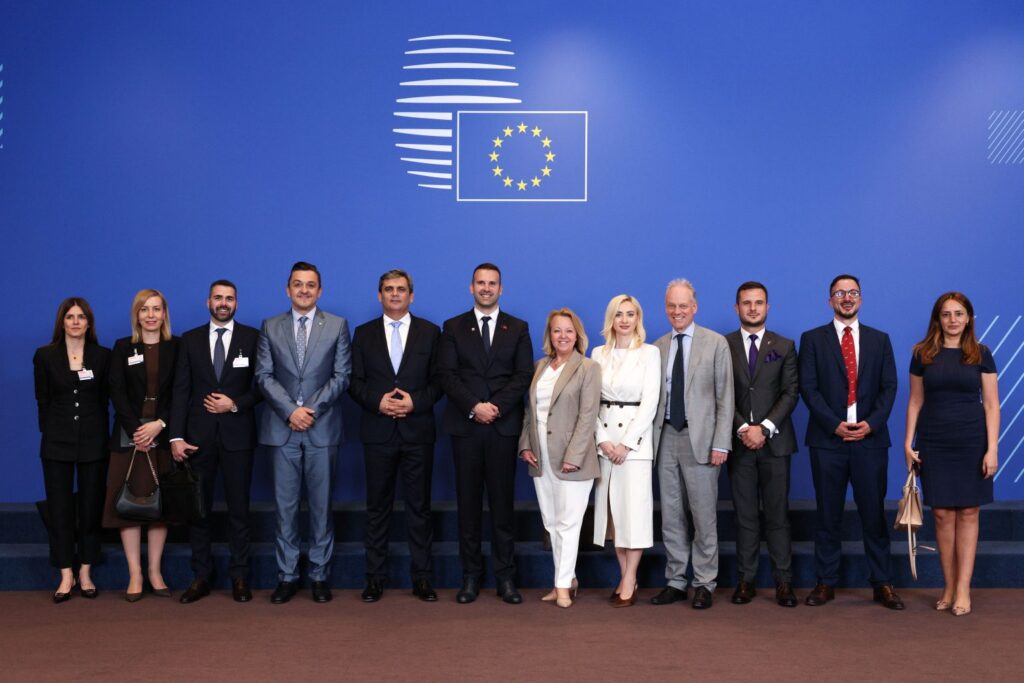
EU enlargement has gained renewed momentum as Montenegro closes another negotiating chapter in its path to joining the European Union. This milestone brings the total number of chapters provisionally closed to thirteen, signaling “significant and tangible progress” in the country’s integration process.
Marilena Raouna, Deputy Minister for European Affairs of Cyprus, the current holder of the EU’s rotating presidency, praised Montenegro’s achievements. She emphasized that enlargement remains a strategic priority for the EU and expressed hope that additional accession conferences could be held in the coming months to maintain progress for all candidate countries.
A delegation from the EU Parliament’s Committee on Foreign Affairs, led by German member David McAllister, recently visited Montenegro and Albania to assess the progress of reforms and prepare upcoming reports. The delegation’s findings will influence the European Parliament’s evaluation of each candidate country’s readiness for membership.
Albania and Montenegro Lead Western Balkans Progress
Both Montenegro and Albania have been recognized for advancing reforms essential to potential EU membership. Albania, for instance, has successfully opened all negotiating clusters, while Montenegro’s negotiations are on track to potentially complete within the next 12 months.
EU Council President Antonio Costa highlighted that enlargement is a merit-based process: countries that progress faster should set an example rather than be slowed down. Costa stressed that continued reforms, alongside EU readiness to accommodate new members, are crucial for the success of candidate countries.
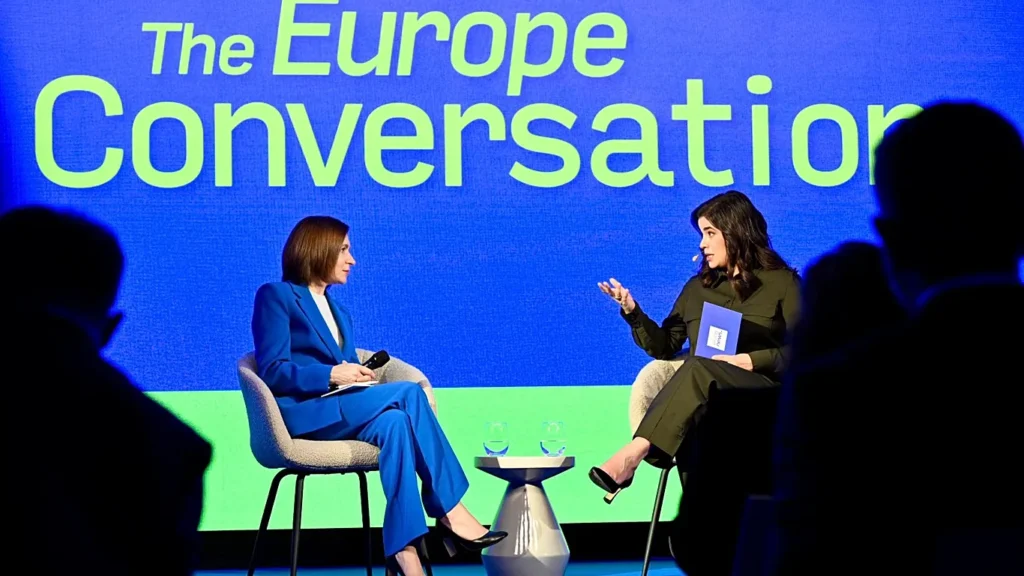
“This year is pivotal for the accession of Moldova and Western Balkan partners,” Costa said, emphasizing that socio-economic convergence is central to anchoring the future of these countries in the European Union.
Financial Support Strengthens EU Integration
The European Commission has announced fresh funding of €171 million to support infrastructure and private sector development across Western Balkan partners. This includes:
-
Contributions from the Instrument for Pre-accession Assistance (IPA III) for projects in Bosnia and Herzegovina
-
WBIF bilateral donor contributions for Montenegro projects
-
Funding via the Reform and Growth Facility (RGF) for Albania, Montenegro, and North Macedonia
These financial packages are designed to strengthen candidate countries’ capacity to implement EU standards and accelerate socio-economic development in preparation for membership.
Chapters Closed by Montenegro
Montenegro’s latest achievements include the provisional closure of chapters:
-
Chapter 3: Right of establishment and freedom to provide services
-
Chapter 4: Free movement of capital
-
Chapter 6: Company law
-
Chapter 11: Agriculture and rural development
Previously, Chapter 13 on fisheries had been closed during the December 2025 Accession Conference. With all 33 negotiating chapters now opened, Montenegro is steadily advancing toward full EU integration.
A council spokesman confirmed that monitoring of alignment with the EU acquis will continue throughout the negotiations, ensuring that reforms meet EU standards.
Strategic Importance of EU Enlargement
EU enlargement is considered central to strengthening the Union’s geopolitical influence. By integrating Western Balkan partners and supporting reform initiatives in candidate countries, the EU aims to enhance regional stability, economic development, and security.
The process emphasizes merit and progress rather than competition between candidates, fostering a clear roadmap for countries demonstrating consistent reforms and alignment with EU standards.
EU officials underscore that the combination of robust reforms, structured financial assistance, and political support ensures that candidate countries like Montenegro and Albania remain on track to complete their accession successfully.
Conclusion
Montenegro and Albania’s progress highlights the importance of EU enlargement as a strategic and transformational process. With financial support, ongoing reforms, and a merit-based approach, the European Union continues to provide a stable and predictable framework for candidate countries to integrate fully.
By maintaining momentum in their negotiations, these countries are setting a strong precedent for future candidates and contributing to a more cohesive, secure, and economically integrated Europe.
For more news, Please Visit Our Homepage