EU Carbon Permit Prices Drop After Merz Signals Emission Trading Reform
Posted on
EU carbon permit prices fell sharply after calls for emission trading reform
0
0
Read Time:3 Minute, 39 Second
European Union carbon permit prices have fallen sharply after German Chancellor Friedrich Merz signaled support for possible reforms to the bloc’s emission trading system. As a result, the remarks triggered renewed volatility in the EU carbon market. Prices dropped to their lowest level in nearly six months.
The price for one ton of carbon dioxide equivalent declined by 10 percent to €71.40 after comments made on February 11. In addition, the drop continues a broader downward trend. EU carbon permits have fallen more than 23 percent from mid January highs of nearly €93 per ton.
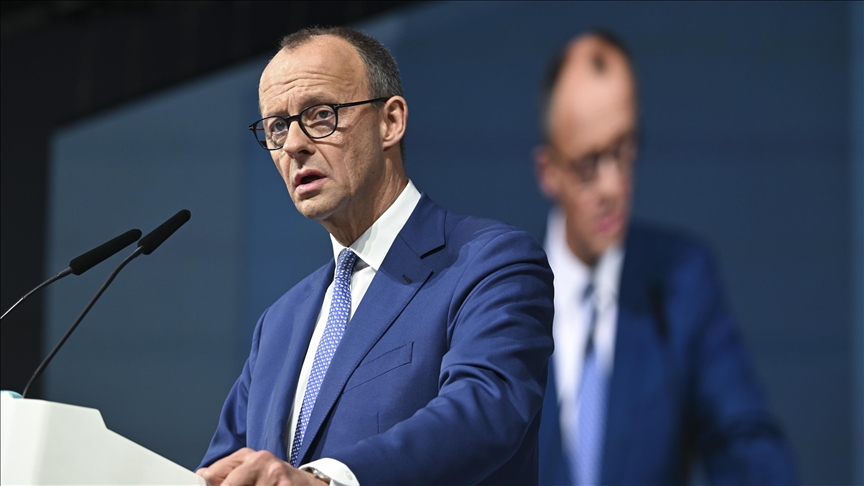
Congress of Christian Democratic Party (CDU) in Germany
What Is the EU Emission Trading System
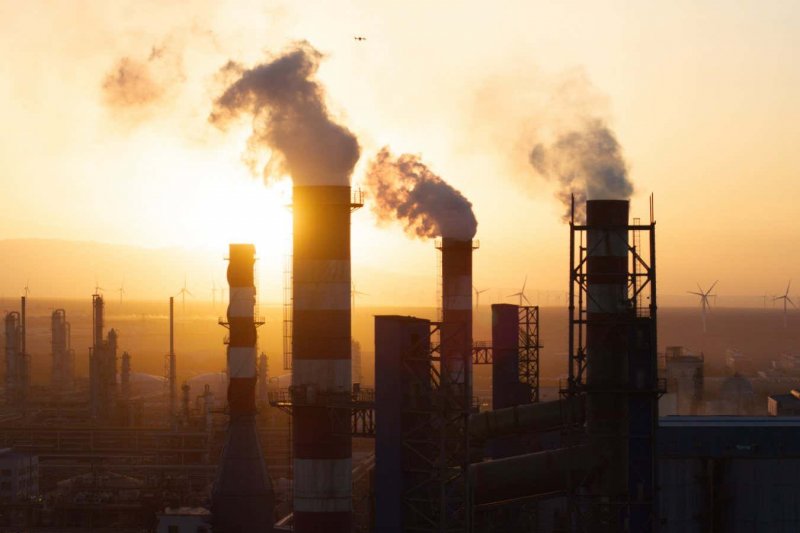
The European Union Emission Trading System, known as the ETS, is the bloc’s main climate policy tool. It works as a cap and trade system. In simple terms, it sets a limit on total greenhouse gas emissions. Companies can buy and sell carbon permits within that limit.
Each permit gives the right to emit one ton of CO2. Over time, the cap becomes tighter. Therefore, emissions are meant to fall gradually. At the same time, the cost of pollution increases.
Carbon permits are often described as licenses to pollute. Their price reflects market expectations about climate policy, economic activity, and regulation changes.
Merz Calls ETS the Elephant in the Room
Speaking at the European Industry Summit in Antwerp, Belgium, Merz suggested that the current design of the emission trading system may need changes. During a discussion with Markus Kamieteh, chief executive of BASF, Merz stressed that climate tools must not harm industry or jobs.
He said that if the ETS is not the right tool, leaders must be ready to discuss and change it. Furthermore, he described the ETS debate as the elephant in the room. He also noted that European Council leaders are actively discussing the issue.
As a result, markets reacted quickly. Investors reassessed expectations about the future value and supply of carbon permits.
Growing Calls for ETS Reform
Merz’s comments match concerns raised by other European leaders. For example, Czech Prime Minister Andrej Babis recently argued that high carbon prices are hurting European industry. He proposed a price cap of €30 per ton to ease pressure on businesses.
Meanwhile, EU leaders met in Liège, Belgium, to discuss competitiveness challenges. However, they did not reach a final agreement on reforming the ETS.
The debate highlights tensions between climate goals and economic performance. Supporters argue that stable carbon pricing drives investment in clean technology. However, critics warn that high costs could push industries to relocate. As a result, Europe’s manufacturing base could weaken.
EU carbon permit prices fell sharply after calls for emission trading reform
Impact on the German Economy
The carbon market turbulence comes at a sensitive time for the Germany economy. Business groups have increased pressure on Merz to deliver reforms that boost competitiveness.
On February 7, the Federal Association of Small and Medium-Sized Enterprises chairman Christoph Ahlhaus sent an open letter criticizing the government’s economic policies. He argued that bureaucracy remains a major barrier for small and medium sized enterprises. In addition, he said regulatory burdens have not eased.
In comments to state broadcaster ZDF, Ahlhaus said progress on cutting red tape has been limited. According to business leaders, reducing administrative complexity is essential to improve Germany’s competitiveness within Europe.
Why Carbon Prices Matter for Europe
Carbon permit prices affect energy costs, industry planning, and long term climate investment. Higher prices usually encourage companies to invest in low carbon technologies. On the other hand, lower prices may reduce the financial incentive to cut emissions.
The recent drop to €71.40 signals growing uncertainty about the future of EU climate policy. If the emission trading system is redesigned or capped, market dynamics could change significantly.
For now, traders are closely watching political developments in Brussels and Berlin. Any formal proposal to amend the ETS framework could trigger further price swings.
Overall, Europe is trying to balance climate goals with economic resilience. Therefore, the debate over carbon pricing is likely to remain central in 2026. Whether the EU emission trading system is adjusted or maintained will shape both emissions reductions and industrial competitiveness across the bloc.
US President Donald Trump has threatened to impose steep tariffs on French exports following reports that France may decline to participate in a US […]
Indian Oil Corporation (IOC), India’s largest oil refiner, has sourced around 7 million barrels of crude oil for March delivery from suppliers in Brazil, Angola, […]
Iran Broadcasts Alleged Forced Confessions Human rights groups say Iran aired at least 97 “coercive confessions” from detained protesters over two weeks. The broadcasts coincided […]


 0
0
 0
0