
 0
0
 0
0
Ethiopia corridor development 2026 is delivering wide-ranging economic and social benefits, according to Prime Minister Abiy Ahmed, who highlighted the transformative impact of ongoing infrastructure projects across the country.
Speaking in a recent interview, the Prime Minister explained that corridor development initiatives are not only improving urban aesthetics but also driving economic expansion, enhancing mobility, and creating new opportunities nationwide.

Ethiopia Corridor Development 2026 Boosts Urban Transformation
The Ethiopia corridor development 2026 projects are significantly reshaping cities such as Addis Ababa, where improved infrastructure is changing the urban landscape.
According to the Prime Minister, these developments reflect a broader shift in national planning under the Medemer philosophy, which emphasizes unity and synergy as the foundation of progress.
He noted that cities are no longer viewed as political concerns but as central pillars of economic and social development. This change in perspective has allowed urban centers to play a more active role in national growth.
Economic Impact of Ethiopia Corridor Development 2026
The Ethiopia corridor development 2026 initiatives are contributing directly to economic expansion by improving infrastructure and enabling trade.
Key economic benefits include:
- Expansion of road networks, reducing travel time
- Increased productivity across urban centers
- Growth in the real estate and construction sectors
- Enhanced connectivity supporting commerce and investment
The Prime Minister revealed that Addis Ababa alone contributes nearly half of the country’s annual GDP, underscoring the importance of urban development in Ethiopia’s economy.

Job Creation and Skills Development
A major focus of Ethiopia corridor development 2026 is employment generation and skills acquisition. The projects have created thousands of jobs during construction and continue to provide opportunities afterward.
The Prime Minister emphasized that many young people involved in these projects are gaining practical skills that are highly valuable, sometimes exceeding formal academic training. These skills are now being applied in other regional development initiatives.
This approach is helping to reduce unemployment while building a more capable workforce for future infrastructure and industrial projects.
Housing and Infrastructure Improvements
The Ethiopia corridor development 2026 projects have also accelerated housing delivery and improved basic infrastructure.
According to the government:
- Thousands of housing units have been completed within a short time
- Road upgrades have improved transportation efficiency
- Urban planning has enhanced overall living conditions
These developments are contributing to a more organized and functional urban environment, supporting long-term growth and sustainability.
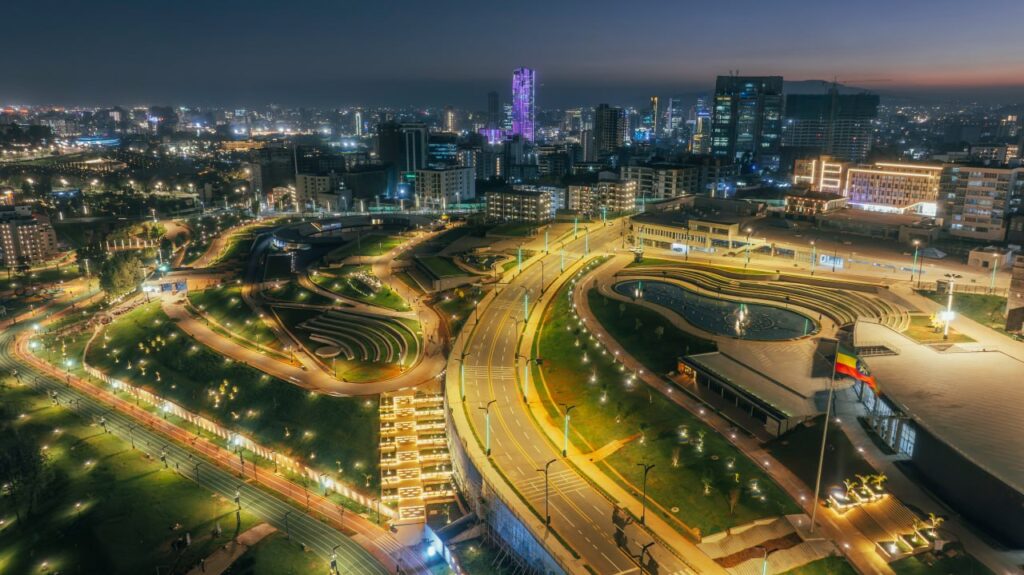
Riverbank Development and Social Benefits
One of the standout aspects of Ethiopia corridor development 2026 is the riverbank development project in Addis Ababa.
The Prime Minister described this initiative as a landmark project with long-term significance. It has created:
- Public parks and recreational spaces
- Areas that promote social interaction and cohesion
- Healthier environments for residents
He noted that similar projects are being expanded to cities such as Bishoftu, Jimma, Arba Minch, Bahir Dar, and Hawassa, ensuring that the benefits of development reach multiple regions.
Digital Technology and Future Growth
Looking ahead, Ethiopia corridor development 2026 is closely linked with digital transformation efforts. The Prime Minister identified technology as a key driver of future development across sectors.
He highlighted initiatives such as:
- Establishment of a leading artificial intelligence institute in Africa
- The “5 Million Coders” program, which has already trained over 3.5 million citizens
These efforts aim to build a skilled workforce capable of supporting innovation, education, healthcare, and industry.
The government believes that without strong digital infrastructure, long-term development cannot be sustained.

National Development Strategy and Vision
The Ethiopia corridor development 2026 framework reflects a broader national vision that positions cities as engines of growth and innovation.
The Prime Minister described urban areas as centers of creativity and productivity, referring to them as the “hands and minds” of the nation. He emphasized that harnessing the potential of growing urban populations is essential for achieving economic progress.
This strategy aims to align infrastructure development with social and economic goals, ensuring that growth is inclusive and sustainable.
FAQ – Ethiopia Corridor Development 2026
Q1: What is Ethiopia corridor development 2026?
A1: It refers to infrastructure projects aimed at improving roads, housing, and urban systems while boosting economic growth.
Q2: What benefits do these projects provide?
A2: They improve infrastructure, create jobs, enhance mobility, and support economic expansion.
Q3: Which cities are benefiting from the projects?
A3: Cities such as Addis Ababa, Bishoftu, Jimma, Arba Minch, Bahir Dar, and Hawassa are involved.
Q4: How does digital technology relate to the projects?
A4: Digital infrastructure and training programs support long-term development and workforce readiness.
Conclusion
Ethiopia corridor development 2026 represents a comprehensive approach to national growth, combining infrastructure expansion, job creation, and digital transformation. The projects are reshaping urban centers while laying the foundation for sustained economic and social progress across the country.