 0
0
 0
0
Staying one step ahead in entertainment news feels impossible when social feeds never slow down. For creators and managers handling real-time coverage, the right workflow can mean the difference between catching a trend and playing catch-up. By building out context-aware monitoring tools and curating stories with confidence, you position your brand as a go-to source for young audiences who crave both speed and credibility.
Table of Contents
- Step 1: Set Up Reliable News Monitoring Tools
- Step 2: Curate Trending and Verified Stories
- Step 3: Draft Engaging Entertainment Content
- Step 4: Publish and Promote Across Platforms
- Step 5: Evaluate Performance Metrics and Optimize
Quick Summary
| Key Insight | Explanation |
|---|---|
| 1. Set Up Effective Monitoring Tools | Use context-aware tools to track entertainment news across multiple channels and receive real-time alerts on priority topics. |
| 2. Curate Verified Stories | Cross-reference sources to separate credible news from misinformation and check audience sentiment before publishing. |
| 3. Craft Engaging Content | Write narratives that connect emotionally with readers while maintaining factual accuracy and clear structure. |
| 4. Tailor Promotions to Platforms | Adapt your content for each platform’s audience, posting when engagement is highest for effective distribution. |
| 5. Analyze Performance Metrics | Measure key indicators like click-through rate and time on page to refine strategies and understand audience preferences. |
Step 1: Set Up Reliable News Monitoring Tools
You’re about to save yourself hours of manual searching. Setting up news monitoring tools properly means staying on top of entertainment stories before they explode across social media, not after everyone’s already talking about them.
Start by identifying what you actually need to track. Are you following celebrity announcements, award show coverage, music releases, or viral moments? Your answer shapes everything that comes next. Different platforms move at different speeds, and one tool rarely catches everything.
Choose tools that go beyond simple keyword matching. Look for platforms with context-aware monitoring capabilities that understand sentiment and narrative shifts, not just word frequency. This matters because “Oscar” could mean the award show or someone’s name. Context changes everything.
Your toolkit should cover multiple channels:
- Major news outlets and entertainment blogs
- Social media platforms where trends break first
- Forums and Reddit communities where fans discuss breaking news
- Broadcast and video platforms for clips and clips discussions
Next, configure real-time alerts for your priority topics. Instead of checking dashboards constantly, let the tools notify you when something relevant happens. This keeps you ahead of the curve without burning you out.
Integrate your internal sources too. If your team uses Slack, email, or shared documents, connect those to your monitoring setup. You want a single source of truth, not scattered information across five different places.
Consider combining multiple tools rather than forcing one platform to do everything. A specialized news aggregator plus a social media monitor plus a sentiment tracker often beats one mediocre all-in-one tool. The best approach is matching specific needs to specialized platforms rather than settling for a compromise solution.
Set up your alerts to avoid information overload. Too many notifications and you’ll stop reading them. Start with high-priority keywords only, then expand as you see what actually matters for your audience.
Here’s a comparison of monitoring tool types and their primary advantages for entertainment newsrooms:
| Tool Type | Unique Advantage | Best Use Case |
|---|---|---|
| News Aggregator | Aggregates headlines fast | Tracking major news outlets |
| Social Media Monitor | Captures real-time trends | Spotting viral moments early |
| Sentiment Analyzer | Interprets audience reactions | Evaluating story impact |
| Forum Tracker | Monitors niche discussions | Detecting emerging subcultures |
Real-time alerts give you the advantage of being first to report, not first to react to what someone else broke.
Pro tip: Start with a two-week trial period tracking just your top 5-10 keywords, then analyze which alerts actually led to usable content. This prevents you from paying for tool capacity you never use while missing the stories that matter most.
Step 2: Curate Trending and Verified Stories
You’ve set up your monitoring tools. Now comes the critical part: filtering the noise to find stories worth covering. This is where your credibility lives or dies.

Not every trending topic deserves your audience’s attention. Some stories are manufactured drama, others are misinformation spreading faster than corrections can catch up. Your job is separating signal from noise in real time.
Start by cross-referencing stories across multiple reliable sources. When a celebrity announcement breaks, check at least three independent news outlets before publishing. If only one source is reporting it, wait. Real news gets picked up quickly by established media.
Verify the source chain before amplifying anything:
- Original announcement or official account
- Reputable entertainment news outlets
- Independent confirmation from multiple journalists
- Absence of contradictory reports from trusted sources
Use real-time data analytics to identify emerging trends and distinguish genuine viral moments from manufactured hype. This helps you spot stories gaining authentic momentum versus coordinated promotion campaigns.
Look for social signals that indicate real engagement. How many people are actually discussing the story organically? Are celebrities and verified accounts commenting? Is the conversation spreading across different communities, or is it contained to one corner of the internet? Genuine trends show up everywhere.
Check sentiment alongside virality. An AI-driven framework analyzing user behavior and sentiment can help distinguish credible trending events from misinformation. This combination of data points tells you whether a story is legitimate or problematic.
Don’t just grab trending hashtags blindly. Investigate why something is trending. Sometimes the top trend is a misunderstanding, hoax, or joke that’s been taken out of context. Spend five minutes understanding the context before deciding to cover it.
Time matters too. Breaking a story five minutes earlier than competitors means nothing if you got facts wrong. Speed without accuracy damages your reputation permanently.
The first to report wrong beats being second to report right every single time in hindsight.
Pro tip: Create a simple checklist: Original source confirmed? At least two other outlets covering it? Sentiment mostly positive or neutral? No contradictory evidence? If three of four check out, you can confidently share the story.
Step 3: Draft Engaging Entertainment Content
You’ve found verified stories that matter. Now you need to write them in a way that makes people actually want to read and share your content. This is where monitoring data meets storytelling.
Your monitoring tools show you what audiences care about, but that’s just the starting point. You need to craft narratives that connect emotionally while staying factual. The difference between a story people skim and one they share comes down to how you frame it.
Start by understanding what angle will resonate most with your audience. Are they interested in the celebrity’s personal growth, industry impact, or scandal? Use data from monitoring tools to inform your editorial focus and tone. Your tools show you what people are actually discussing, not what you think they should discuss.
Structure your story with clear priorities:
- Hook readers with the most compelling detail immediately
- Provide context that explains why this story matters
- Include relevant quotes or statements from verified sources
- Connect the story to larger cultural moments or trends
- End with impact or what comes next
Write your headline to be specific, not clickbait. Avoid vague promises like “You won’t believe what happened.” Instead, tell readers exactly what the story is about. Specificity drives clicks because it sets accurate expectations.
Keep your tone conversational but authoritative. Entertainment fans want personality, but they also want someone who clearly knows what they’re talking about. Blend factual data with audience engagement insights while maintaining ethical balance in your storytelling.
Break up your writing with short paragraphs, subheadings, and quotes. Mobile readers scan before they read, so make your content easy to navigate. One long block of text loses people instantly.
Include relevant context that your audience might not know. Don’t assume everyone follows every celebrity. A sentence explaining who someone is or why their announcement matters helps newer readers understand the significance.
Great entertainment content makes readers feel like they’re part of the conversation, not watching from the outside.
Pro tip: Write your first draft fast without editing, then rewrite the headline and opening paragraph three times. Your headline is the difference between getting read and being scrolled past, so invest extra time there.
Step 4: Publish and Promote Across Platforms
Your story is written and ready. Now you need to get it in front of the right people on the right platforms at the right time. One-size-fits-all promotion doesn’t work anymore.
Different platforms have different audiences and behaviors. Twitter moves fast and rewards quick takes. Instagram needs visuals. TikTok demands short, snappy content. Your entertainment news needs to fit each platform’s culture, not force the same message everywhere.
Leverage data from monitoring tools to identify optimal platforms and timing for your content. Your tools already told you where people are discussing this topic and when engagement peaks. Use that intelligence to decide where and when to publish.
Start by tailoring your message for each platform:
- Twitter: Quick summary with a link, one compelling quote
- Instagram: Visual-first with caption that adds context
- TikTok: Short clip or behind-the-scenes angle
- LinkedIn: Professional angle on industry impact
- Your website: Full story with multimedia
Publish your main story on your owned platform first. That’s where you control the narrative and build your audience directly. Social platforms should drive traffic back to your site, not replace it.
Time your promotions strategically. Post when your audience is most active, not when it’s convenient for you. Your monitoring data shows you when engagement happens. Use that timing across every platform.
Don’t just post and disappear. Use real-time analytics to refine promotion tactics and maintain engagement across multiple channels. Watch what’s resonating. If one platform drives more engagement, spend more energy there. If a headline gets clicks, use similar language in future posts.
Respond to comments and engage with your audience. Entertainment fans want conversation, not broadcasting. When people reply to your content, acknowledge them. This builds community and tells the algorithm your content matters.
Distribute across diverse outlets. Entertainment blogs, news aggregators, and international outlets expand your reach far beyond social media.
The best promotion strategy adapts in real time based on what’s actually working, not what you planned.
Pro tip: Schedule posts across platforms but monitor the first hour after publishing for engagement. If something isn’t performing, adjust your messaging or timing for the next post rather than hoping it will eventually gain traction.
Step 5: Evaluate Performance Metrics and Optimize
Your content is live and getting engagement. But how do you know what’s actually working? Numbers tell stories. The question is whether you’re reading them correctly.
Stop guessing what your audience wants. Let the data show you. Track which stories generate clicks, shares, comments, and return visits. These numbers reveal what actually resonates, not what you think should.
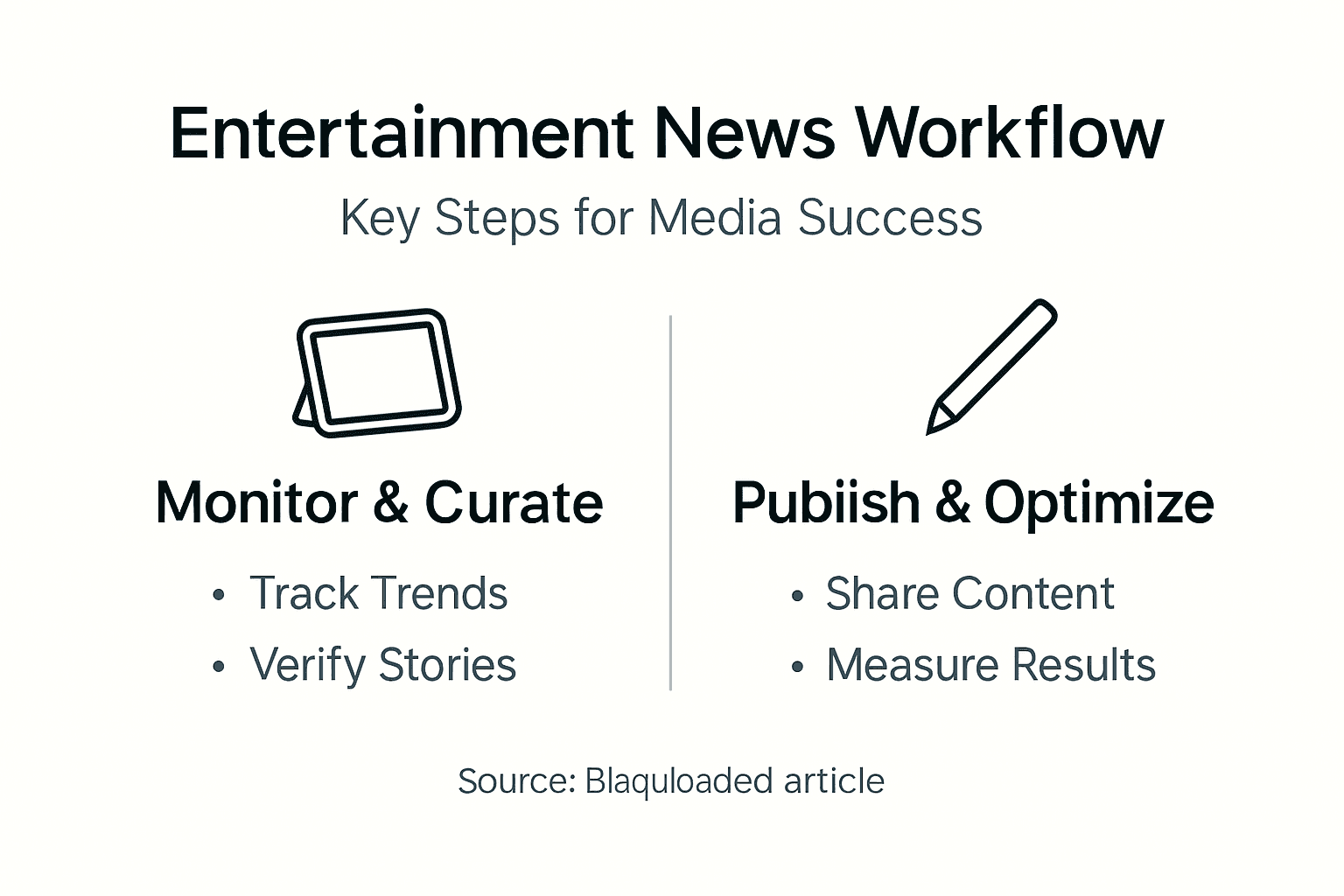
Track engagement, reach, sentiment, and social sharing data to understand story effectiveness. These metrics tell you which topics matter to your audience and which ones fall flat.
Watch for these key performance indicators:
- Click-through rate on headlines and social posts
- Time spent on page for each article
- Share and comment frequency across platforms
- Traffic sources showing which channels drive readers
- Sentiment in comments and social reactions
- Repeat visitor rate for your site
Look beyond raw numbers. A story with 10,000 clicks but 30-second average time-on-page probably has a misleading headline. A story with 2,000 clicks and 4-minute average time means you genuinely captured interest.
Deploy analytics dashboards integrated with monitoring tools to measure performance indicators and optimize strategies dynamically. Real-time data lets you spot trends while they’re happening, not after they’ve passed.
Make iterative adjustments based on what works. If celebrity gossip outperforms industry news, shift your focus there. If Instagram stories generate more engagement than tweets, spend more effort there. Your data is your roadmap.
Compare performance week to week and month to month. One good story doesn’t prove a trend. Look for patterns. Which topics consistently win? Which platforms consistently deliver traffic? Which types of headlines get clicked?
Use this feedback to refine everything. Adjust your monitoring tool settings to track what matters most. Change your editorial focus based on audience behavior. Modify your headlines based on what drives clicks. Nothing is permanent except the commitment to improve.
Below is a summary of essential performance metrics and what they reveal about your content:
| Metric | What It Shows | How to Act on It |
|---|---|---|
| Click-Through Rate | Headline effectiveness | Test and refine headlines |
| Time on Page | Reader engagement level | Improve storytelling if low |
| Share Volume | Story appeal to audience | Focus on highly shared topics |
| Repeat Visit Rate | Audience loyalty | Build ongoing content series |
You can’t optimize what you don’t measure, and you can’t measure what you don’t track consistently.
Pro tip: Create a simple weekly scorecard tracking your top five metrics. Compare this week to last week, and last month to this month. This prevents you from obsessing over daily fluctuations while missing meaningful trends.
Unlock the Power of Cutting-Edge Entertainment News Workflow Today
Mastering entertainment news workflow means overcoming the struggle of sifting through mountains of data while racing against time to deliver verified stories that truly engage your audience. If you have ever felt overwhelmed by countless alerts or unsure whether your content hits the mark, this article breaks down the essential steps to streamline monitoring, authentication, and storytelling. Key challenges include avoiding misinformation, preventing burnout from notification overload, and turning raw data into captivating narratives that resonate.
Blaqloaded understands these pain points and offers a dynamic digital media platform designed to keep you connected with the latest and most reliable entertainment news. With continuous updates, viral stories, and in-depth features tailored to what matters most, our site helps you stay ahead in the fast-paced world of trending topics and celebrity buzz. Explore how Blaqloaded can become your ultimate resource for sourcing and sharing content that captivates and converts.
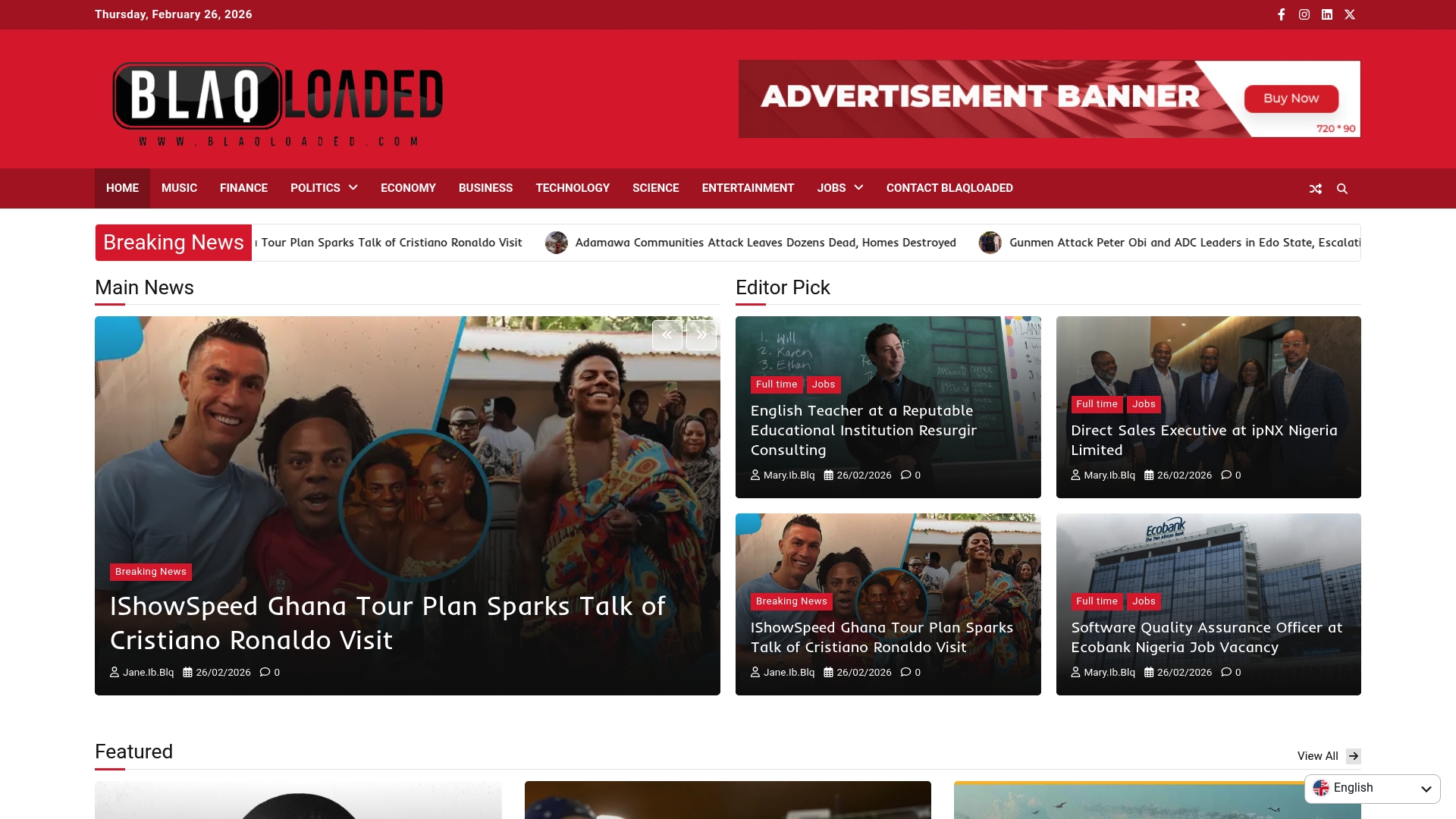
Ready to transform your entertainment news strategy into a seamless, effective process? Visit Blaqloaded now to experience a hub where verified stories meet real-time updates. Dive into latest entertainment news and discover how staying informed can become effortless. Don’t wait to join the community that takes media monitoring and storytelling to the next level.
Frequently Asked Questions
How can I effectively set up news monitoring tools for entertainment news?
Start by identifying the specific topics you want to track, such as celebrity announcements or award show coverage. Choose tools that offer context-aware monitoring capabilities to capture sentiment and narrative shifts.
What steps should I take to verify trending entertainment stories?
Cross-reference stories across multiple reliable sources before sharing. Ensure at least three independent outlets are reporting the story to confirm its legitimacy and avoid spreading misinformation.
How can I draft engaging content for entertainment news?
Focus on crafting narratives that emotionally resonate with your audience while remaining factual. Structure your story with compelling hooks, relevant quotes, and clear context to keep readers engaged.
What are the best practices for promoting entertainment news across different platforms?
Tailor your messages for each platform, focusing on the unique audience behavior and format. Analyze data to determine the optimal times for posting to maximize engagement and direct traffic back to your site.
How do I evaluate the performance of my entertainment news content?
Track key performance indicators like click-through rates and share volume to gauge effectiveness. Analyze these metrics weekly to identify trends and adjust your content strategy accordingly.
What should I do if my content is not generating enough engagement?
Review your headlines and content structure to identify improvements that could enhance readability and engagement. Adjust your promotion strategy based on which platforms are driving traffic and focus on those channels.
Recommended
- Powerful Federal Mortgage Bank Recapitalisation Plan Targets N750bn Housing Boost
- Blaqloaded – Breaking News, Entertainment & Trending Stories
- Davido Dele Momodu Custody Battle 0
- Powerful TerraMaster F2-425 Plus Review Shows Strong Performance and Value