


The England cricketers death threats schedule controversy has sparked widespread concern after former England internationals reported receiving online abuse and death threats following their public criticism of the ICC Women’s T20 World Cup scheduling arrangements. The issue has raised fresh questions about online behaviour, tournament planning, and athlete safety in the digital age.
Former England spinner Kate Cross and her podcast co-host Alex Hartley revealed the extent of the abuse during a recent episode of their cricket podcast, where they discussed the backlash to their comments on scheduling decisions.
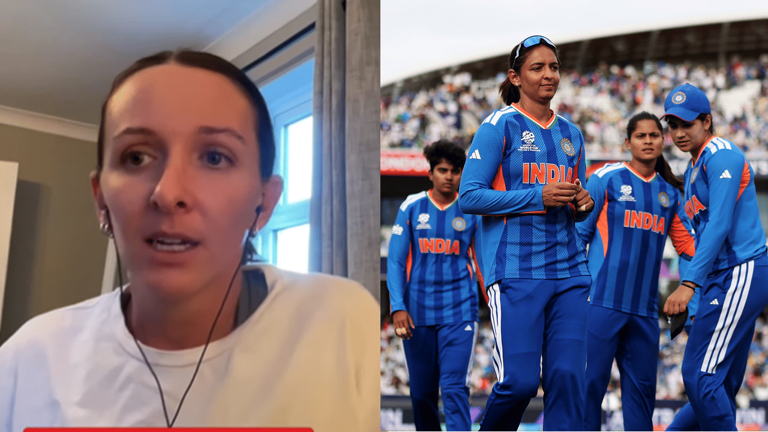

Online Abuse Follows ICC Scheduling Criticism
Players Speak Out on Social Media Backlash
Kate Cross, who previously described the ICC’s scheduling arrangement as “ridiculous,” said the response to her comments quickly escalated beyond normal social media engagement.
Key points raised:
- Significant increase in online comments after posting about scheduling
- Reports of death threats and abusive messages
- Unexpected intensity of backlash compared to usual engagement
The England cricketers death threats schedule issue highlights how quickly online discussions around sport can escalate into harmful behaviour.
Podcast Discussion Reveals Severity
During an episode of No Balls: The Cricket Podcast, Alex Hartley confirmed that both she and Cross had been targeted.
Hartley stated that:
- Abuse included threats of violence
- Comment volume increased dramatically
- The tone of responses went beyond normal criticism
The discussion emphasized concerns about how social media interactions are affecting athletes.
ICC Women’s T20 World Cup Scheduling Explained
Controversial Semi-Final Structure
The criticism originated from confusion over how the semi-final fixtures were arranged in the ICC Women’s T20 World Cup.
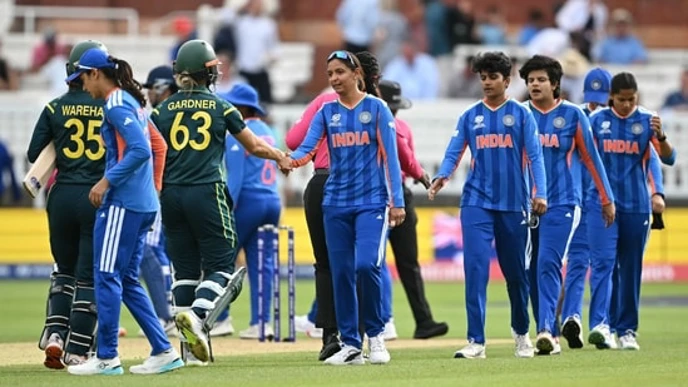

Key scheduling details:
- Semi-finals set for Tuesday and Thursday
- Group positions determine matchups
- Conditional rules affecting fixture assignments
The England cricketers death threats schedule debate intensified due to perceived inconsistencies in the knockout structure.
Special Qualification Rule
A specific rule added complexity to the schedule:
- If India qualified for the semi-finals, they would play on Tuesday
- This would be against the top team from Group A
- Other matchups would adjust accordingly
This condition was part of what Cross and Hartley criticised during their discussion.
Reaction From England Cricketers
Concerns About Social Media Culture
Kate Cross and Alex Hartley both expressed concern over how quickly online criticism turned into personal attacks.
Key remarks included:
- Calls for kinder online engagement
- Emphasis on responsible social media use
- Concern over disproportionate reactions
One of the players stressed the importance of maintaining respectful communication, stating that criticism should not lead to abusive behaviour.
Emotional Impact of Online Abuse
The players highlighted how overwhelming the response became, particularly when compared to their normal social media interactions.
Key observations:
- Sharp increase in comment volume
- Unexpected hostility in responses
- Emotional toll of receiving threats
Wider Issue of Athlete Safety Online
Growing Concern in Professional Sports
The incident adds to a growing list of cases where athletes face online abuse after expressing opinions publicly.
Common issues include:
- Targeted harassment after interviews or posts
- Abuse linked to performance criticism
- Threats directed at players and commentators
The England cricketers death threats schedule situation reflects a broader concern within international sport.
Social Media Responsibility Debate
Sports organisations and commentators continue to discuss how to address online abuse, with focus on:
- Platform moderation policies
- Reporting mechanisms for threats
- Support systems for athletes
Importance of Respectful Sports Discussion
Balancing Criticism and Conduct
While scheduling decisions are often debated by fans and analysts, the situation highlights the need for respectful communication.
Key principles include:
- Constructive criticism without personal attacks
- Awareness of athlete mental health
- Responsible engagement on social platforms
Role of Governing Bodies
Sports governing bodies are increasingly being urged to:
- Improve communication transparency
- Address scheduling clarity
- Support players facing online abuse
Impact on Women’s Cricket Discussion
Visibility of Scheduling Decisions
The ICC Women’s T20 World Cup scheduling has drawn attention not only for its structure but also for the reactions it has generated online.
Key discussion points:
- Fairness of knockout scheduling
- Transparency in tournament planning
- Consistency in match arrangements
The England cricketers death threats schedule issue has therefore extended beyond criticism of fixtures into broader concerns about online safety.
Growing Audience Engagement
Women’s cricket continues to attract increasing global attention, which also amplifies:
- Media scrutiny
- Social media engagement
- Public debate on decisions
Conclusion
The reports of death threats received by former England cricketers following their criticism of ICC Women’s T20 World Cup scheduling have highlighted a serious issue surrounding online abuse in sport. While the England cricketers death threats schedule debate began as a discussion about tournament structure, it has now evolved into a wider conversation about athlete safety, responsible online behaviour, and the pressures faced by public figures in modern sports.


FAQ
Why did England cricketers receive death threats?
They reported receiving threats after criticising ICC Women’s T20 World Cup scheduling decisions on social media.
What did Kate Cross say about the scheduling?
She described the ICC’s scheduling arrangements as “ridiculous” during a podcast discussion.
What sparked the controversy?
Confusion and debate over semi-final match scheduling rules in the Women’s T20 World Cup led to public criticism.
What broader issue does this raise?
It highlights concerns about online abuse and the safety of athletes expressing opinions publicly.
Conclusion
The incident has intensified discussions about how sports fans engage with athletes online and the importance of maintaining respectful communication in public discourse.
Click here for more news


