 0
0
 0
0
End the Ukraine War Now Before Strategic Balance Shifts
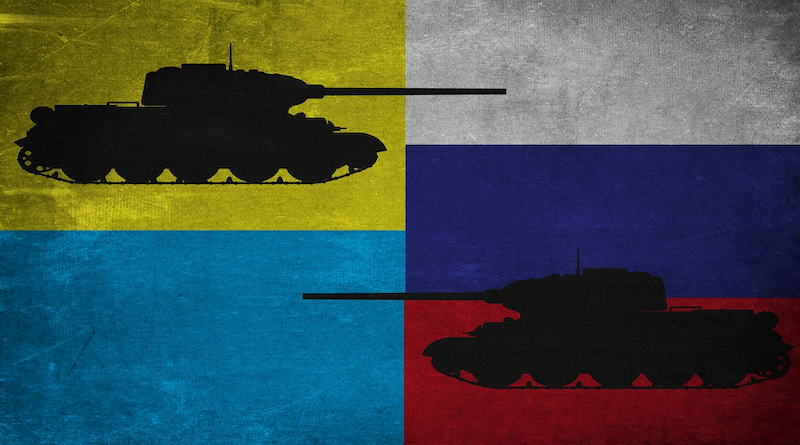
The Ukraine war is approaching a critical point where continuing the conflict may cost more than any potential benefit. Another season of fighting is unlikely to bring decisive gains but will deepen Ukraine’s losses, solidify Russia’s position, and limit opportunities for a durable settlement.
Negotiating an end may be politically challenging and strategically imperfect, but it could be the least damaging option available.

Russia’s Position: Strained but Stable
Russia’s economy has faced severe sanctions and war costs, yet Moscow has adapted. Energy exports have been rerouted, domestic arms production has increased, and the government has reallocated resources toward long-term mobilization. Defense spending now consumes a significant portion of national resources, potentially limiting future economic growth.
Despite pressures, Russia is not collapsing. The Kremlin has normalized a wartime economy and refined military operations. Russian forces now better utilize drones, artillery, and electronic warfare. Logistics, though not flawless, are far more organized than in early 2022.
Expecting a sudden Russian failure is a political hope rather than a strategic certainty.
Ukraine’s Immediate Challenges
Ukraine faces more urgent constraints. Recruitment is difficult, frontline troops are aging, and mobilization debates are politically sensitive. Ammunition shortages have forced rationed artillery use, while Russia has increased its own military production and imports.
Ukraine is not collapsing. Its military remains capable and motivated. However, the current trajectory—with gradual Russian advances, high casualties, and uncertain Western resupply—poses serious long-term risks. Continuing the war for another year could reduce trained troops, damage infrastructure, and weaken negotiating leverage.
The key question is not whether Ukraine can keep fighting, but whether continued fighting strengthens or weakens its position for future negotiations.

Missed Opportunities: The 2022 Talks
In spring 2022, Ukraine and Russia held talks in Istanbul on neutrality, security guarantees, and territorial status. The negotiations stalled, and both sides hardened positions as the conflict intensified.
While the outcome of a potential deal in 2022 is uncertain, Ukraine was then in a stronger strategic position, having recently pushed Russian forces from Kyiv. Today, any settlement would be negotiated from a more exhausted and damaged state, highlighting the cost of the past years of conflict.
Concessions as a Strategic Choice
A realistic peace agreement today would likely involve territorial compromise. This is difficult for Ukraine and politically sensitive for Western governments opposing aggression.
However, strategy is about minimizing damage. A ceasefire could freeze current lines, introduce demilitarized zones, establish international monitoring, and secure Western guarantees. Such a settlement would provide Ukraine with:
-
Time to rebuild infrastructure and power systems
-
Time to train new military units and adopt new technologies
-
Time to strengthen economic and political ties with Europe
Meanwhile, Russia would inherit territories costly to maintain, with long-term demographic and economic challenges. Over time, a Europe-integrated Ukraine could outpace a Russia burdened by occupation.
Trading territory now for time, security, and the ability to rebuild could be Ukraine’s most coherent long-term strategy.
The Human Cost of Attrition
In cities like Kharkiv, life continues amid destruction. Battered flags hang over reopened cafés, and generators light cracked streets. Soldiers on leave, students, and civilians embody both resilience and exhaustion. This persistence shows that seeking peace is not a concession—it is an act of preservation.
The Hard Trade-Off
The war presents no path forward without sacrifice. Continuing the conflict guarantees more casualties, displacement, and destruction, with little chance of a decisive breakthrough. Negotiation involves accepting an outcome short of full sovereignty but could limit long-term harm.
Three key realities support pursuing a settlement sooner:
-
A decisive military victory for either side is unlikely in the near term
-
Ukraine’s resources are finite and under increasing strain
-
A stable, enforceable ceasefire allows Ukraine to rebuild faster than Russia can consolidate gains
Ending the war now does not undermine Ukraine’s right to defend itself. It recognizes that “victory at any cost” is sentiment, not strategy. A wounded but rebuilding Ukraine, integrated with Europe, is far preferable to prolonged exhaustion and devastation.
The choice is no longer between triumph and defeat. It is between crafting an imperfect peace today or risking a far worse outcome tomorrow.