


Ebola outbreak DRC camp deaths have raised serious concerns after reports indicated that at least 30 people have died in a displacement camp in eastern Democratic Republic of the Congo (DRC). Health officials and aid workers warn that the outbreak could be spreading rapidly within overcrowded humanitarian settlements.
The situation has intensified fears of a wider public health crisis, especially as medical teams struggle to contain infections in difficult field conditions. Authorities are continuing monitoring efforts as the number of suspected cases grows.
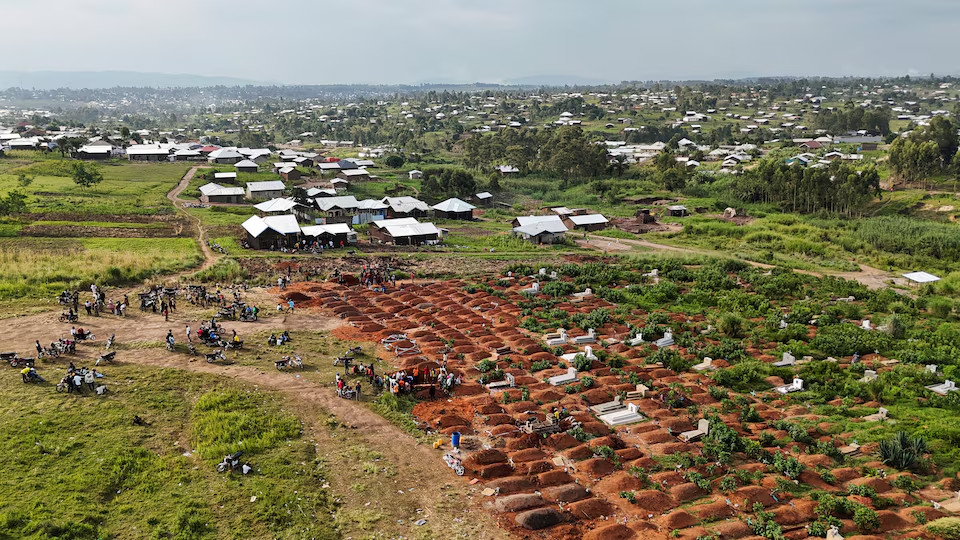

Rising Death Toll in Eastern DRC Displacement Camp
Reports from health workers and humanitarian sources indicate that dozens of deaths have occurred in a camp housing displaced people in eastern DRC. The camp, located near Bunia, has been at the center of recent Ebola response operations.
The Ebola outbreak DRC camp deaths highlight the vulnerability of densely populated displacement areas during infectious disease outbreaks.
Confirmed and Suspected Fatalities
Health officials have reported:
- At least 30 deaths linked to suspected Ebola cases
- Ongoing investigation into additional infections
- Continued monitoring of high-risk individuals in the camp
While confirmation processes are ongoing, the rapid rise in fatalities has prompted urgent response measures.
Location and Conditions of the Camp
The affected site is a displacement camp hosting families fleeing conflict and instability in the region. Conditions in such camps often include:
- Overcrowding in temporary shelters
- Limited access to clean water
- Restricted sanitation infrastructure
- High population mobility within confined spaces
These factors contribute significantly to the risk of disease transmission.
Ebola Response Efforts in Eastern DRC
Health authorities, in coordination with international partners, have deployed response teams to manage the outbreak and reduce further spread.
The Ebola outbreak DRC camp deaths have triggered a renewed focus on containment strategies and emergency medical intervention.
Medical Teams on the Ground
Response teams are carrying out several critical tasks:
- Identifying and isolating suspected cases
- Monitoring individuals who had contact with confirmed patients
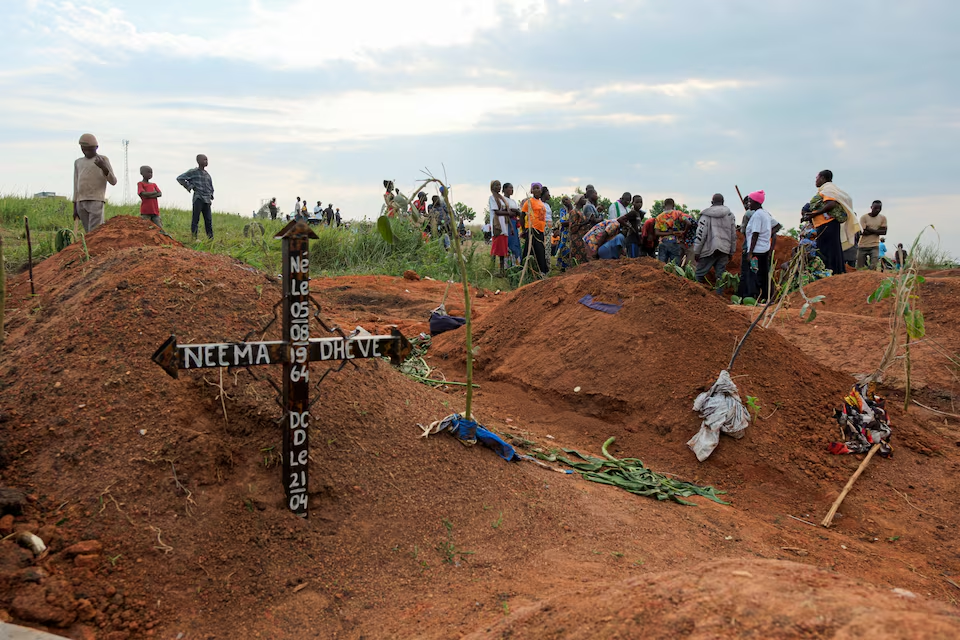
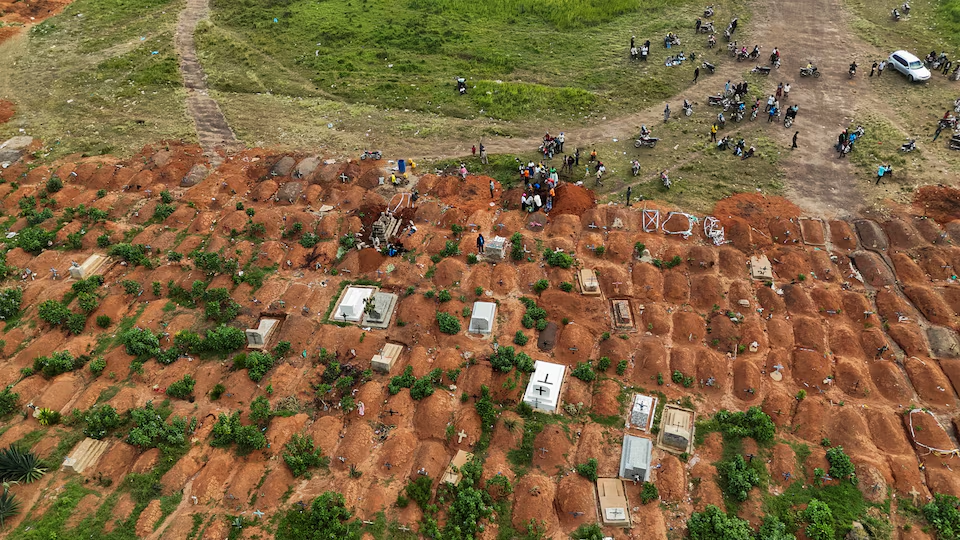
- Conducting safe and supervised burials
- Providing protective equipment to frontline workers
These efforts aim to limit further transmission within the camp and surrounding areas.
Use of Protective Measures
Health workers are operating in full personal protective equipment (PPE) to reduce exposure risks. These measures are essential when handling suspected Ebola cases, particularly during burial procedures.
Protective protocols include:
- Full-body protective suits
- Disinfection of contaminated areas
- Controlled handling of bodies
- Strict isolation procedures for suspected cases
Understanding the Ebola Outbreak in DRC
Ebola virus disease is a severe and often fatal illness transmitted through direct contact with infected bodily fluids or contaminated materials.
How Ebola Spreads in High-Risk Areas
Transmission risks increase significantly in environments such as displacement camps due to:
- Close physical contact among residents
- Limited access to healthcare facilities
- Delayed detection of early symptoms
- Cultural or traditional burial practices
These factors can accelerate outbreaks if not contained quickly.

Symptoms and Early Detection
Common Ebola symptoms include:
- Sudden fever
- Severe fatigue
- Muscle pain
- Vomiting or diarrhea
- Unexplained bleeding in severe cases
Early detection is critical for improving survival rates and preventing spread.
Public Health Challenges in the DRC
The Ebola outbreak DRC camp deaths also highlight ongoing challenges faced by the country’s healthcare system during epidemic responses.
Infrastructure and Resource Limitations
Healthcare response in eastern DRC is often affected by:
- Limited medical infrastructure in rural areas
- Shortages of trained healthcare personnel
- Difficult terrain affecting access to affected zones
- Security challenges in conflict-affected regions
These factors can slow down emergency response efforts.
Role of International Organizations
International health agencies continue to support outbreak containment through:
- Deployment of emergency medical teams
- Supply of vaccines and protective equipment
- Training of local healthcare workers
- Surveillance and data collection support
Humanitarian Conditions in Displacement Camps
Displacement camps in eastern DRC are often established in response to ongoing conflict and instability, creating environments where disease outbreaks can escalate quickly.
Living Conditions in Camps
Residents in such camps commonly face:
- Overcrowded living spaces
- Limited sanitation facilities
- Inconsistent access to healthcare
- Food and water shortages
These conditions increase vulnerability to infectious diseases like Ebola.
Impact on Children and Families
Children and families are particularly at risk due to:
- Close contact within communal shelters
- Reduced access to preventive healthcare
- Delays in receiving treatment after infection
The reported Ebola outbreak DRC camp deaths have therefore raised urgent humanitarian concerns.
Safe Burial Practices and Infection Control
Safe burial procedures are a key component of Ebola containment efforts.
Importance of Controlled Burials
Because Ebola remains infectious after death, burial procedures must be carefully managed to prevent transmission. Health workers ensure:
- Minimal contact with bodies
- Use of disinfectants
- Controlled burial environments
- Protective equipment for all personnel involved
Community Awareness Efforts
Public health teams also focus on educating communities about:
- Risks associated with traditional burial practices
- Importance of reporting symptoms early
- Safe caregiving practices for infected individuals
Ongoing Surveillance and Monitoring
Health authorities continue to monitor the situation closely as new data emerges from affected areas.
Tracking New Cases
Surveillance teams are responsible for:
- Identifying new suspected infections
- Tracing contacts of confirmed cases
- Reporting daily updates to health authorities
Risk of Wider Spread
Experts warn that without rapid containment, there is a risk of spread beyond the initial camp into nearby communities.
FAQ
What caused the Ebola outbreak in the DRC camp?
The outbreak is believed to have started through human-to-human transmission in a displacement camp with high population density and limited healthcare access.
How many deaths have been reported in the DRC Ebola outbreak?
At least 30 deaths have been reported, though investigations are ongoing to confirm the full extent of the outbreak.
Why are displacement camps at higher risk for Ebola spread?
Overcrowding, poor sanitation, and limited healthcare access make it easier for infectious diseases like Ebola to spread quickly.
What measures are being taken to control the outbreak?
Health workers are isolating cases, conducting safe burials, providing protective equipment, and monitoring contacts to contain the virus.
The reported Ebola outbreak DRC camp deaths highlight the urgent need for rapid medical response and sustained humanitarian support. As health teams continue containment efforts, the focus remains on preventing further spread and protecting vulnerable populations in affected regions.
Click here for more news


