 0
0
 0
0
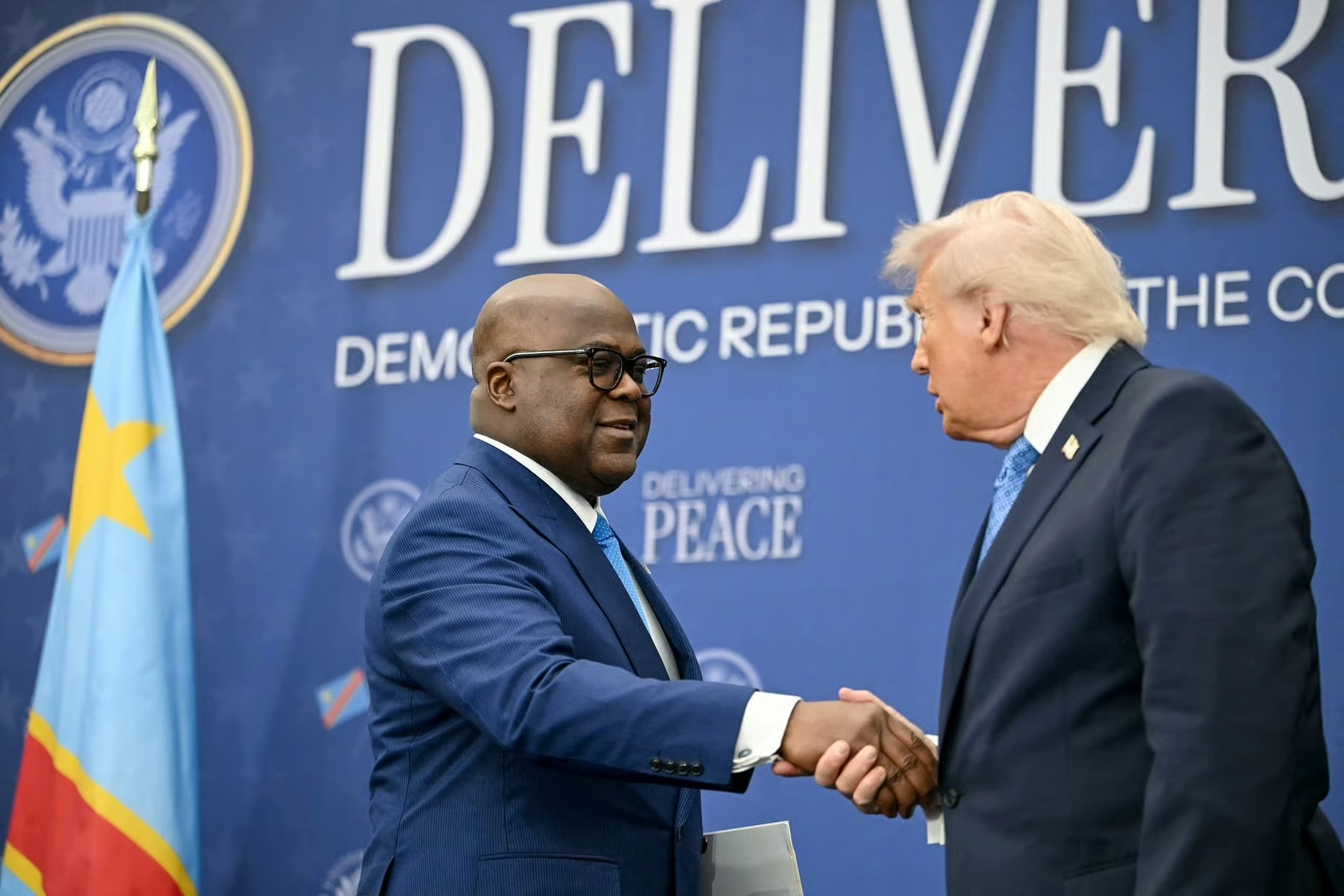
DR Congo temporary migrant deal US 2026 has emerged as a significant development in global migration policy, with authorities in Kinshasa confirming a temporary arrangement to receive deported migrants under a bilateral agreement with the United States.
The announcement highlights a carefully structured framework that emphasizes national sovereignty, cost coverage by Washington, and strict oversight of migrant reception.
Overview of the DR Congo–US Migration Agreement
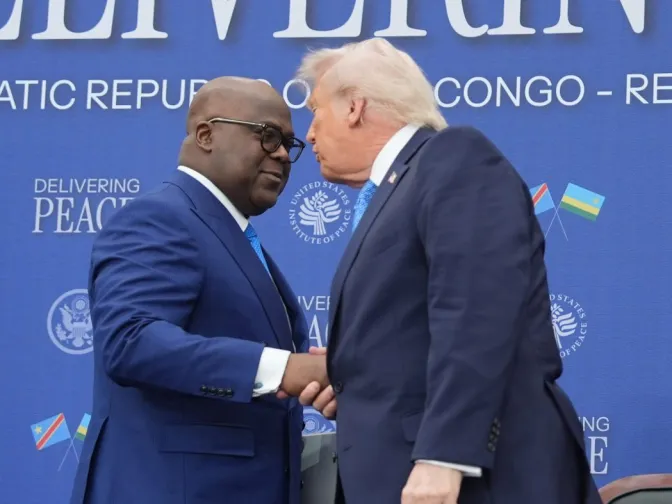
The Democratic Republic of Congo has agreed to provide temporary reception for certain deported migrants under a deal negotiated with the United States.
Officials clarified several key aspects of the arrangement:
- The reception is strictly temporary
- No permanent settlement is planned
- Each migrant case will undergo individual review
- The United States will bear all associated costs
Authorities stressed that the DR Congo temporary migrant deal US 2026 does not represent a shift in national migration policy but rather a controlled and limited cooperation effort.
Key Principles Guiding the Agreement
The Congolese government outlined core principles shaping the agreement:
- Respect for national sovereignty
- Compliance with domestic laws
- Maintenance of internal security
- Humanitarian responsibility
This framework ensures that the country retains full authority over decisions involving entry, stay conditions, and eventual departure.
No Financial Burden on Congo
One of the most notable features of the DR Congo temporary migrant deal US 2026 is the financial arrangement.
Officials confirmed that:
- The United States will cover all operational and logistical costs
- The Congolese public treasury will not be impacted
- Resources will not be diverted from domestic priorities
This provision appears designed to address concerns about economic strain in a country already facing humanitarian challenges.
How Migrants Will Be Received in Kinshasa
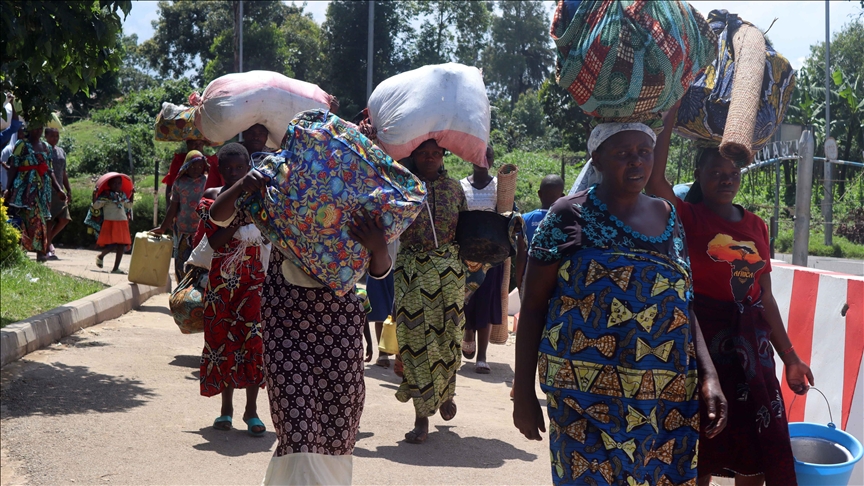
Authorities revealed that designated sites in Kinshasa, the capital city, will serve as temporary reception centers.
These facilities are intended to ensure:
- Close administrative monitoring
- Enhanced security oversight
- Access to humanitarian services
The structured environment is meant to prevent irregular movement and ensure compliance with national regulations.
Controlled Reception Process
The DR Congo temporary migrant deal US 2026 introduces a controlled intake system rather than automatic transfers.
Key features include:
- Case-by-case evaluation of migrants
- Security and legal assessments before admission
- Ongoing monitoring during stay
This approach allows authorities to manage risks while maintaining flexibility.
Duration and Conditions of Stay
Officials have emphasized that:
- Migrants will not remain indefinitely
- Temporary status can be withdrawn if necessary
- Return or removal decisions will follow national laws
This reinforces the temporary nature of the agreement and distinguishes it from resettlement programs.
Broader Context: US Migration Strategy in Africa
The DR Congo temporary migrant deal US 2026 is part of a broader pattern of migration agreements between the United States and several African nations.
Since 2025, Washington has reportedly explored or implemented similar arrangements with countries such as:
- Rwanda
- Uganda
- Ghana
- Eswatini
- South Sudan
These agreements are often designed to manage deportation logistics and reduce domestic pressure on immigration systems in the US.
Strategic Objectives Behind the Deals
Analysts suggest that such agreements serve multiple purposes:
- Facilitating deportation processes
- Expanding international cooperation on migration
- Reducing strain on US border systems
However, each agreement varies in scope, implementation, and local reception.
Link to Regional Security and Diplomacy
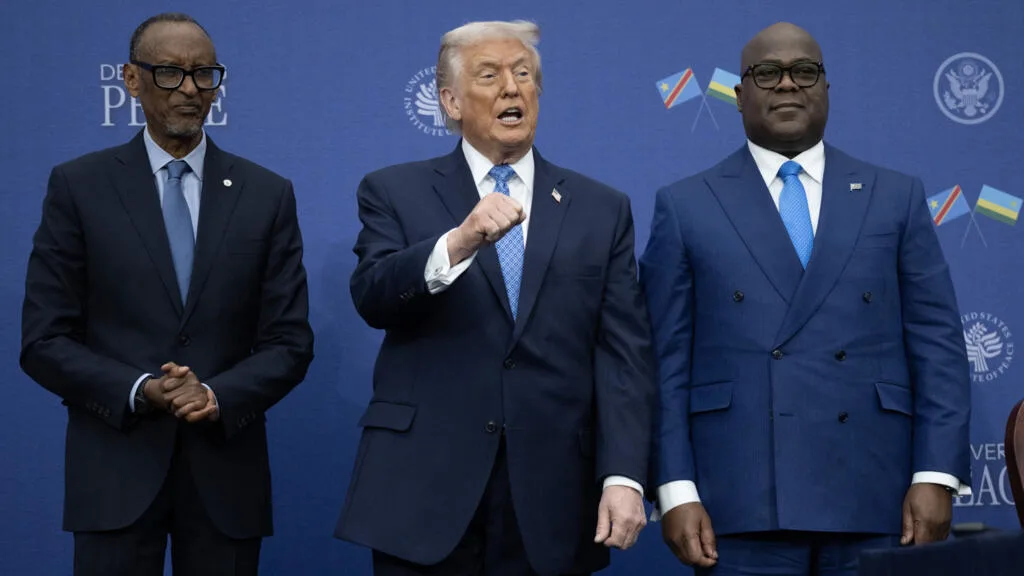
The timing of the DR Congo temporary migrant deal US 2026 is notable, as it coincides with ongoing diplomatic efforts in Central Africa.
The United States has been involved in mediating tensions between the Democratic Republic of Congo and Rwanda, particularly concerning instability in eastern Congo.
Connection to Eastern Congo Conflict
The eastern region of the country has experienced prolonged conflict, including issues related to the M23 rebel group.
While the migration agreement is not directly tied to the conflict, its timing suggests overlapping diplomatic engagement.
Balancing Humanitarian and Security Concerns
Congo’s government emphasized that the arrangement:
- Aligns with humanitarian values
- Maintains strict security safeguards
- Reflects international cooperation
This balance is critical given the country’s existing challenges, including internal displacement and cross-border tensions.
Public Messaging from Congolese Authorities
Officials presented the agreement as a responsible and controlled initiative rather than a long-term policy shift.
Key points highlighted in official statements include:
- Commitment to hospitality and international cooperation
- Assurance of no permanent relocation
- Emphasis on legal and administrative control
The government also reiterated that every migrant case will be individually assessed, reinforcing the non-automatic nature of the process.
Clarifying Misconceptions
Authorities sought to address potential misunderstandings by stating that the deal:
- Does not outsource US migration policy to Congo
- Does not create permanent settlement pathways
- Does not bypass national laws
These clarifications aim to provide transparency and maintain public confidence.
Potential Implications of the Agreement
The DR Congo temporary migrant deal US 2026 could have several implications at both national and international levels.
For the Democratic Republic of Congo
- Increased administrative responsibilities
- Greater international engagement
- Need for careful monitoring of security and resources
For the United States
- Expanded options for handling deported migrants
- Strengthened diplomatic ties with African nations
- Continued evolution of migration strategies
For Global Migration Policy
- Growing trend of third-country reception agreements
- Increased debate over responsibility-sharing
- Potential model for future bilateral arrangements
Frequently Asked Questions
What is the DR Congo temporary migrant deal US 2026 about?
It is an agreement where the Democratic Republic of Congo will temporarily receive certain deported migrants from the United States, with all costs covered by Washington.
Will migrants permanently settle in DR Congo?
No. The arrangement is strictly temporary, and authorities have confirmed that no permanent settlement or relocation is planned.
Who pays for the migrant reception process?
The United States will cover all financial costs, ensuring that Congo’s public funds are not used.
How are migrants selected and processed?
Each migrant will undergo an individual assessment based on Congolese laws and security requirements before being admitted.
Conclusion
The DR Congo temporary migrant deal US 2026 represents a carefully structured and limited cooperation between Kinshasa and Washington. By emphasizing temporary reception, full national control, and external cost coverage, the agreement seeks to balance humanitarian considerations with sovereignty and security concerns. As similar arrangements continue to emerge globally, this deal reflects the evolving nature of international migration management and diplomatic collaboration.