0
0
 0
0
Death Row Inmate Spared Execution became a major national story after a last minute decision in Alabama halted the planned execution of Charles Sonny Burton. The 75 year old prisoner avoided execution only days before he was scheduled to be put to death.
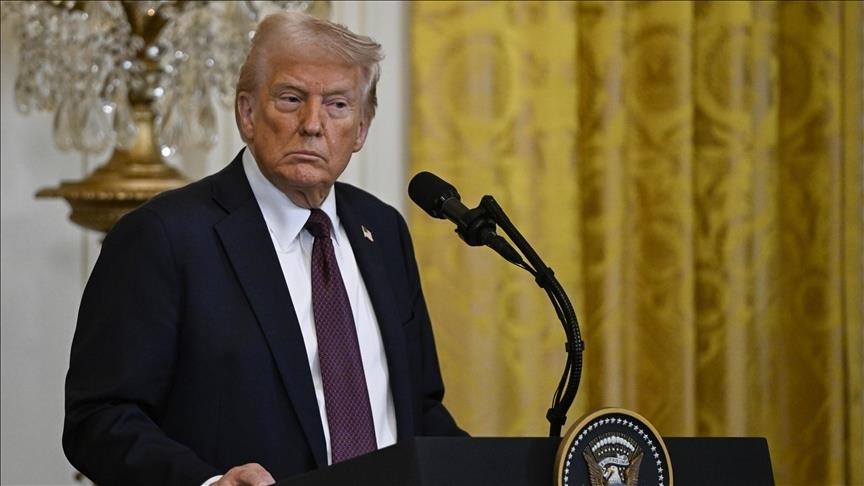
The Death Row Inmate Spared Execution decision came after Kay Ivey used her clemency powers to commute Burton’s sentence to life in prison without parole. The case has since sparked widespread debate about fairness in capital punishment.

Governor Commutes Sentence Days Before Execution
Burton had already begun preparing for his execution at William C. Holman Correctional Facility, where Alabama carries out capital punishment.
Officials had arranged the execution process and the inmate had already chosen his final meal. He had also started preparing his final will and personal messages to family members.
The execution was scheduled to occur within a 30 hour time frame beginning March 12. However, the governor’s announcement changed the outcome at the final moment.
Instead of execution, Burton will now spend the rest of his life in prison.

Role in the 1991 Robbery Case
Burton was convicted in 1992 for his involvement in a robbery that led to the death of Douglas Battle.
Prosecutors argued that Burton helped organize the robbery of an auto store in 1991. During the crime, another participant shot and killed Battle.
The man who fired the fatal shot, Derrick DeBruce, was also convicted of capital murder. However, his death sentence was later overturned during an appeal and he was resentenced to life in prison without parole.
DeBruce later died while serving that sentence in prison.
Dispute Over Fairness of the Death Sentence
The difference between the punishments given to Burton and the shooter became central to the clemency campaign.
Supporters argued that executing Burton while the gunman received life imprisonment raised serious concerns about fairness in the justice system.
Governor Ivey acknowledged these concerns when explaining her decision.
She stated that it would be unjust for one participant to face execution while the person who actually fired the fatal shot did not receive the same punishment.
Although she reaffirmed her support for capital punishment, the governor said justice must be applied consistently.

Family and Supporters React to the Death Row Inmate Spared Execution Announcement
The news brought emotional reactions from Burton’s family and supporters.
His daughter, Lois Harris, expressed relief after the announcement, describing the moment as overwhelming and filled with joy.
Burton also released a short message thanking the governor for her decision.
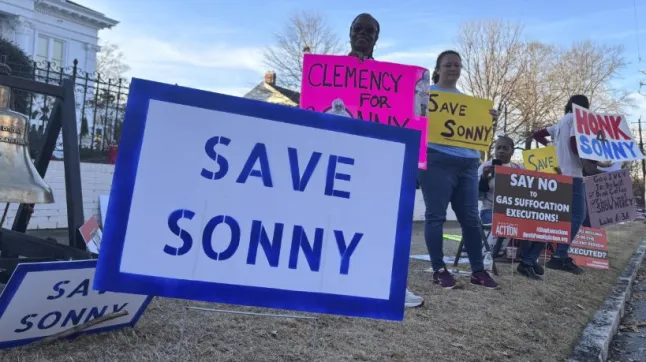
For months, legal advocates and campaign groups had been urging Alabama officials to grant clemency. Several jurors from the original trial also supported the request, saying the death penalty may not have been appropriate in Burton’s case.
Victim’s Family Also Questioned Execution
Interestingly, some members of the victim’s family also questioned the plan to carry out the execution.
Battle’s daughter wrote a letter asking the governor to reconsider the punishment. She raised concerns about the logic of executing someone who did not fire the fatal shot.
Her appeal became one of several submissions during the clemency review process.
Mixed Reactions from Officials
While many supporters praised the decision, some officials disagreed.
Steve Marshall criticized the commutation and maintained that Burton still carried responsibility for the killing because he helped organize the robbery.
Marshall said Burton had direct involvement in the crime and therefore shared responsibility for the death that occurred during the robbery.
Debate Over Death Penalty Laws
The death row inmate spared execution case has renewed debate over how capital punishment laws apply to accomplices in crimes.
In several US states, individuals can receive the death penalty even if they did not personally commit the killing, as long as the death occurred during another serious felony such as robbery.
Critics argue that this approach can lead to unfair sentencing outcomes.
Supporters of the governor’s decision say the case highlights the importance of reviewing death penalty cases carefully to ensure justice is applied fairly.
Burton will now remain imprisoned for the rest of his life without parole.
PLEASE CLICK HERE FOR MORE NEWS