 0
0
 0
0
Daytona 500 qualifying is one of the most unique events in NASCAR. Unlike regular Cup Series races, it delivers drama from the battle for pole position to the fight for the final spots in the field.
In 2026, 45 drivers are entered, but only 41 will start the 68th running of NASCAR’s crown jewel race. Here’s a breakdown of how the process works.
Who Is Locked Into the Daytona 500
All 36 chartered teams competing full-time in the Cup Series are automatically locked into the Daytona 500. That leaves four open spots for part-time or unchartered teams to fight for during qualifying.
The 41st Provisional Spot
NASCAR recently introduced the Open Exemption Provisional (OEP), allowing one world-class driver to secure a starting position regardless of qualifying results.
-
Last year, Helio Castroneves used the OEP.
-
In 2026, seven-time NASCAR Cup Series champion Jimmie Johnson will use it.
This provision adds a 41st spot without taking away a chance from the other open entries.
What Is an Open Entry?
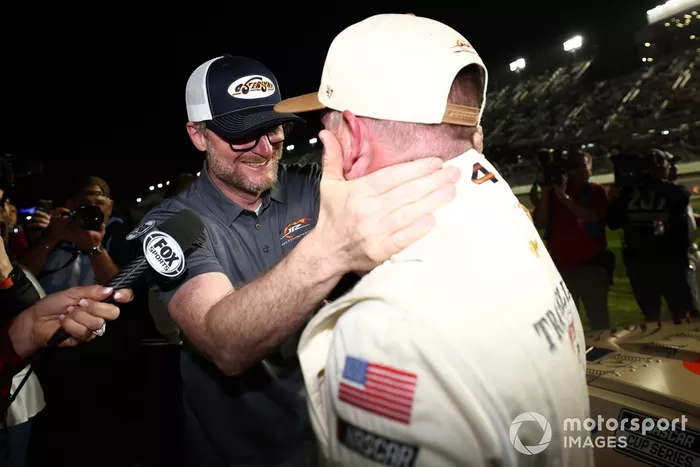
Open entries are part-time teams without a charter, meaning they are not guaranteed a starting spot. In 2026, there are eight open entries (excluding Johnson) competing for the four remaining spots on the Daytona 500 grid.
Daytona 500 Qualifying Format
Wednesday Time Trials
Qualifying starts with traditional time trials, where each car runs a single flying lap around the 2.5-mile superspeedway.
-
The ten fastest drivers advance to a second round to compete for pole position.
-
The front row is locked in after time trials.
-
The remaining positions are used to set the lineup for the Duel races.
Open Entry Spots
The two fastest open entries from Wednesday’s time trials automatically secure a spot in the Daytona 500. Speed on a single lap is critical for these part-time teams.
The Duel Qualifying Races
The Duels are two 60-lap, 150-mile races that finalize the starting grid for the Daytona 500.
-
Chartered Teams: Compete for position and early-season points. The top ten finishers earn points from 10 down to 1.
-
Duel Winners: Secure a position on the second row of the Daytona 500 grid (P3 and P4).
Open Entries in the Duels
For teams not yet qualified, the Duels are the final chance to make the race.
-
Each Duel features a split group of open entries.
-
The top-finishing open entry in each race earns a Daytona 500 starting spot.
-
NASCAR simplified rules for 2026: only one route exists for open entries to make the field — beat the other non-locked-in drivers in the Duels.

How Important Is Qualifying for Locked-In Drivers?
For drivers already guaranteed a spot, qualifying is less crucial than at other tracks.
-
Pit stall selection is a key benefit of qualifying well.
-
A clean start and good track position can provide an advantage in early stages.
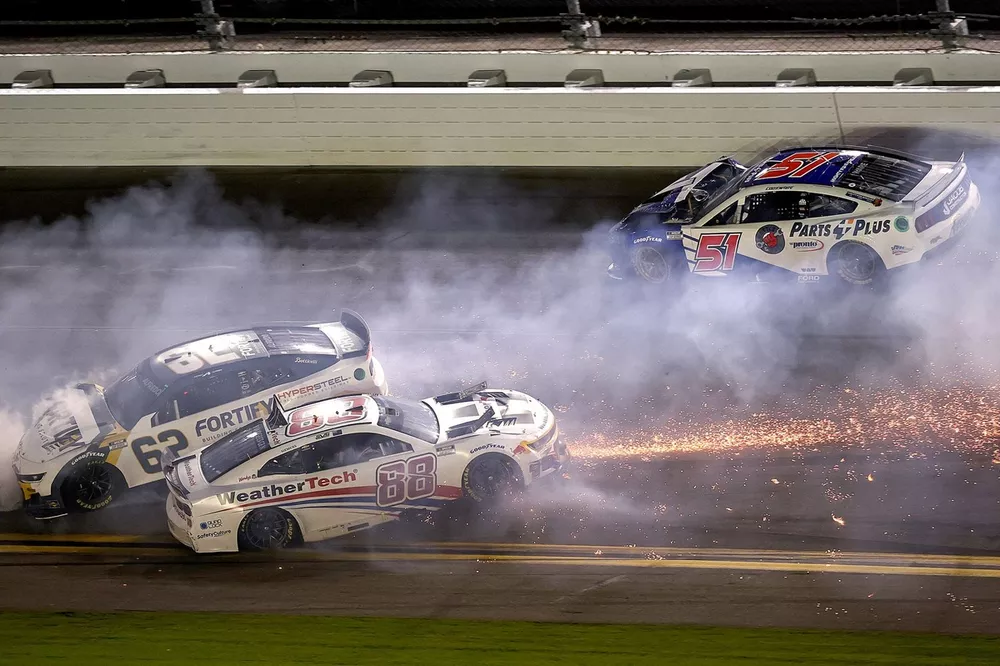
However, Daytona has a history of unpredictable winners:
-
William Byron won in 2025 from fifth and in 2024 from 18th.
-
Ricky Stenhouse Jr. captured the 2023 Daytona 500 from 31st.
-
The pole-sitter hasn’t won since Dale Jarrett in 2000.
At Daytona, any driver can win, regardless of starting position.