Cuba US Tensions Rise as Sanctions Deepen Fuel Crisis and Blackouts
Posted on
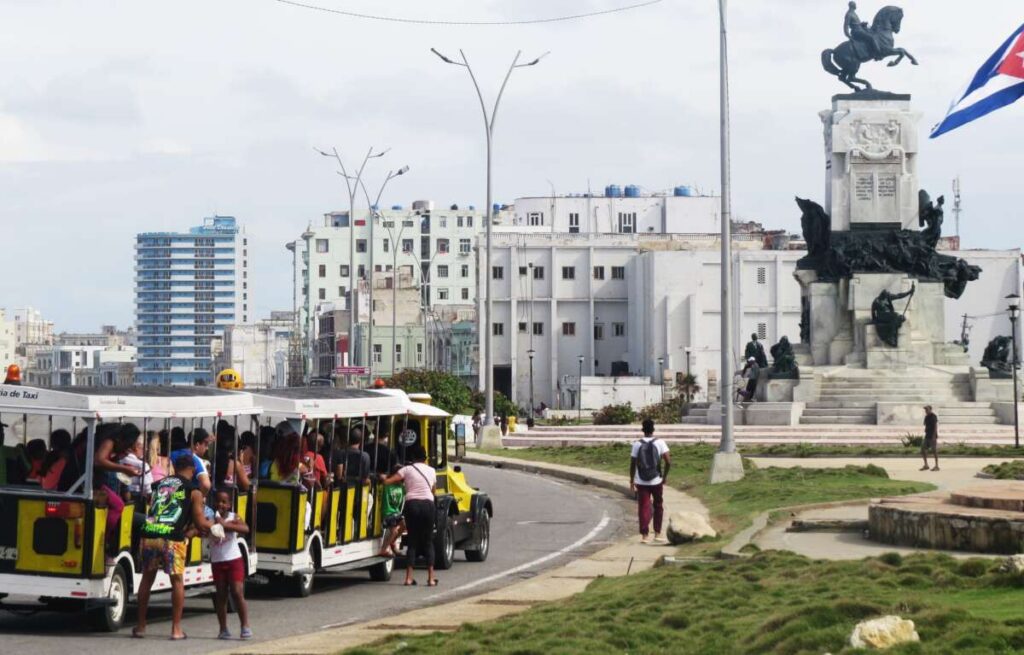
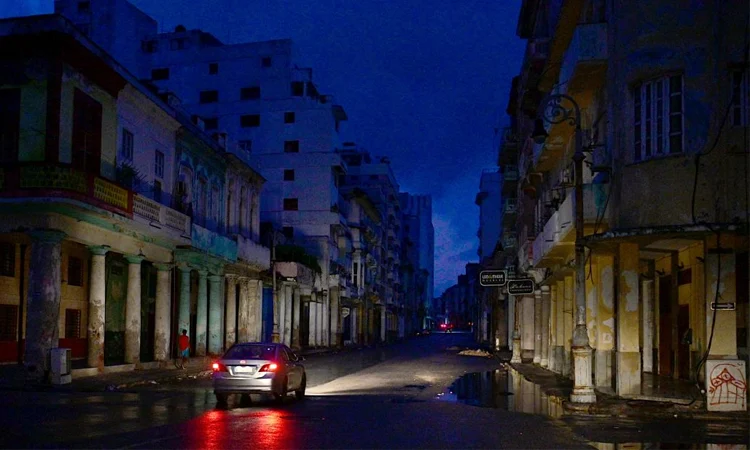
Daily life continues in Havana as fuel shortages and blackouts disrupt the island
0
0
Read Time:5 Minute, 40 Second
Tensions between Cuba and the United States have intensified in 2026, as new sanctions and political rhetoric increase pressure on the island nation. While officials in Havana prepare for potential military escalation, many residents say their immediate concern is the worsening economic hardship marked by fuel shortages and prolonged blackouts.
The latest developments reflect a long history of strained relations between the two countries, dating back to the Cuban Revolution of 1959. Today, the dispute centers on sanctions, energy supplies, and fears of further confrontation.
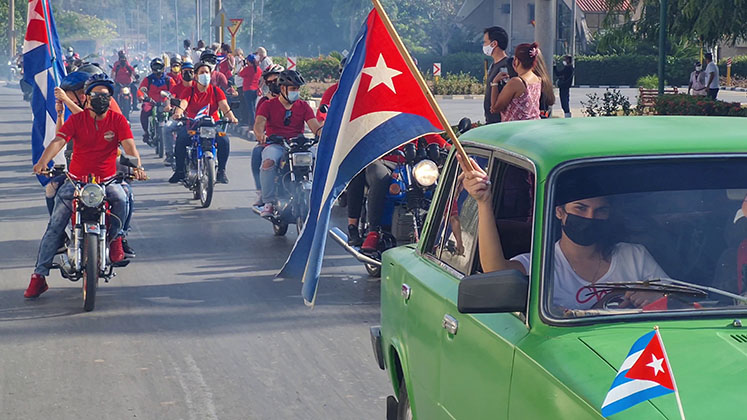
Villa Clara, Cuba, april 25 2021 : caravan and protest against US blockade imposed on Cuba for 60 years
US Sanctions Tighten Pressure on Cuba
President Donald Trump has warned Cuban authorities to negotiate with Washington, stating that time is limited. US Secretary of State Marco Rubio has also publicly expressed support for political change on the island.
In January, Washington introduced new measures targeting countries that supply oil to Cuba. The policy has significantly reduced fuel shipments, particularly from Mexico, which had become one of Havana’s main oil providers after Venezuela’s output declined.
Cuban President Miguel Diaz-Canel described the situation as an energy blockade. He warned that the restrictions are affecting transportation, hospitals, schools, tourism, and food production across the country.
Energy data indicates a sharp drop in oil imports compared with 2025 averages. The impact has been immediate and visible throughout the island.
Fuel Shortages Trigger Widespread Blackouts
Fuel scarcity has placed additional strain on Cuba’s already fragile power grid. Rolling blackouts, once periodic, now last between 12 and 20 hours daily in some areas, according to residents in Havana.
Satellite imagery cited by Bloomberg shows nighttime light levels in eastern cities such as Santiago de Cuba and Holguin dropping by up to 50 percent compared to historical averages. This decline highlights the scale of electricity disruptions affecting households and businesses.
The tourism sector has also been hit. Canada, traditionally Cuba’s largest source of visitors, has seen major airlines suspend flights due to jet fuel shortages. Russian authorities have signaled similar concerns about travel disruptions.
For many Cubans, daily survival takes precedence over geopolitical debates. Residents describe growing anxiety over rising costs, limited supplies, and uncertain access to electricity.
Daily life continues in Havana as fuel shortages and blackouts disrupt the island
Government Declares War Readiness
In response to rising tensions, Cuban authorities declared a state of preparation for war. Officials emphasized readiness to defend the country if necessary. The Cuban Revolutionary Armed Forces have reportedly begun precautionary preparations.
Pope Pope Leo XIV called for peace and dialogue between the two nations. Cuban Foreign Ministry representatives expressed agreement with the appeal for diplomatic solutions.
Despite official warnings, some citizens appear accustomed to the rhetoric. Decades of strained relations have made the threat of confrontation a recurring theme in national discourse.
Russia and China Offer Political Support
As economic pressure mounts, Havana is seeking support from international partners. Both Russia and China have signaled diplomatic backing. Cuba recently joined the BRICS group, which includes emerging global economies.
Russia’s Interior Minister Vladimir Kolokoltsev visited Cuba in January to strengthen bilateral ties. Russian media reports suggest that additional fuel shipments may be under consideration.
China has approved an emergency aid package valued at $80 million and donated substantial rice supplies. Officials in Beijing have pledged continued assistance.
However, analysts note that neither Moscow nor Beijing appears willing to directly challenge US sanctions by supplying enough oil to fully offset the shortfall. Experts argue that while diplomatic cooperation may continue, Cuba is not a central strategic priority for either power.
On the ground, many Cubans say economic hardship overshadows the possibility of military conflict. Prolonged power outages, transportation disruptions, and rising living costs affect daily routines more immediately than political speeches abroad.
Journalists and residents alike emphasize that food donations or limited aid packages will not resolve structural economic challenges. For many, relief depends on easing restrictions that constrain trade and energy imports.
Reports from outlets including Anadolu Agency highlight the divided mood across the island. While officials focus on sovereignty and defense, ordinary citizens weigh the sustainability of the current crisis.
Outlook for Cuba US Relations in 2026
The situation remains fluid. Statements from the highest ranking US diplomat in Havana suggest that sanctions could tighten further. Meanwhile, Cuban authorities continue to call for respect of national sovereignty and noninterference.
As tensions persist, the future of Cuba US relations will likely depend on diplomatic negotiations, regional alliances, and domestic economic resilience. For now, blackouts and fuel shortages define daily life for many on the island, underscoring the human impact of geopolitical disputes.
The coming months will determine whether dialogue or deeper confrontation shapes the next chapter in this longstanding relationship.
For More Political news, please visit our homepage
Okpebholo Tinubu 2027 election discussions gained momentum after Edo State Governor Monday Okpebholo publicly declared that he would step down from office if President Bola […]
Oba of Benin business partners visit 2026 marks a significant step toward strengthening international investment ties between Nigeria, Africa, and Europe. Oba Ewuare II hosted […]


 0
0
 0
0