 0
0
 0
0
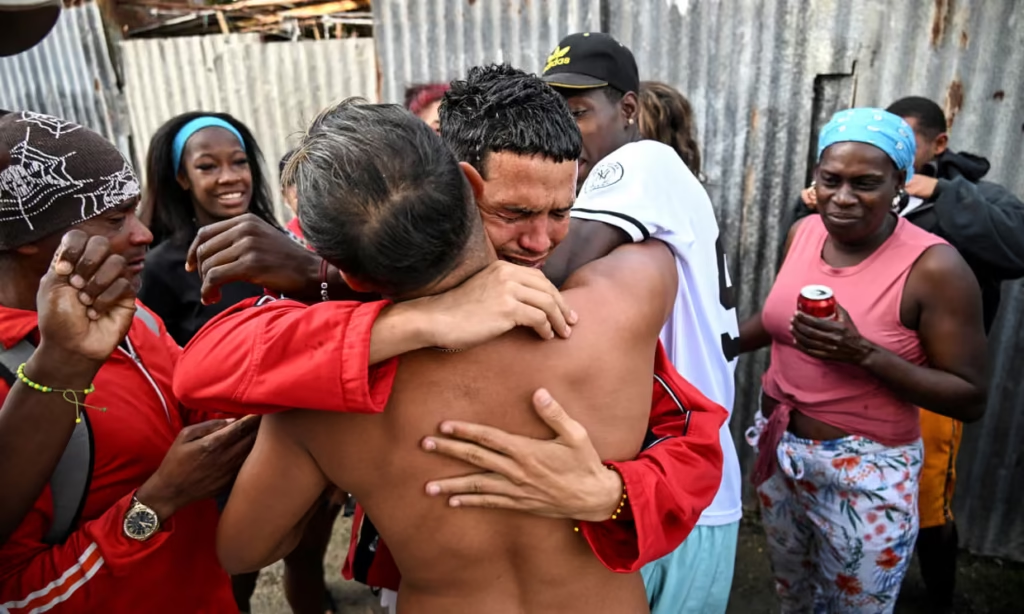
The Cuba prisoner release 2026 tensions US development comes at a sensitive geopolitical moment, with Havana announcing the release of over 2,010 prisoners as part of what it described as a humanitarian gesture.
The decision was made public through official state channels and coincides with Holy Week, a period often associated with pardons and acts of clemency in several countries.
Authorities stated that the release followed a detailed review process considering multiple factors such as:
- Nature of the crimes committed
- Behavior of inmates during incarceration
- Health conditions
- Time already served
This move has sparked mixed reactions internationally, particularly due to ongoing political tensions between Cuba and the United States.
Background of Cuba prisoner release 2026 tensions US decision
Humanitarian reasoning behind the releases
According to official statements, the Cuba prisoner release 2026 tensions US decision was framed as a humanitarian initiative rooted in long-standing judicial practices on the island. Authorities emphasized that similar releases have taken place in previous years, often tied to religious observances or diplomatic developments.
The government highlighted that priority was given to specific categories of inmates, including:
- Elderly prisoners over 60 years old
- Women and young offenders
- Individuals nearing the end of their sentences
- Prisoners with health concerns
- Foreign nationals and Cubans residing abroad
Officials also clarified that individuals convicted of serious crimes such as murder, sexual assault, or drug trafficking were excluded. Additionally, those accused of crimes against public authorities — often linked to political protests — were not included in the release.
Historical context of prisoner releases in Cuba
The Cuba prisoner release 2026 tensions US situation is not without precedent. Over the past decade, Cuba has released thousands of prisoners under similar circumstances.
Notable past releases include:
- Around 2,900 prisoners freed in 2012 during a papal visit
- Approximately 3,500 released in 2015
- Hundreds released in recent years through mediated agreements
These releases were often associated with diplomatic efforts involving religious institutions or foreign governments.
Political implications of Cuba prisoner release 2026 tensions US
Strained relations with the United States
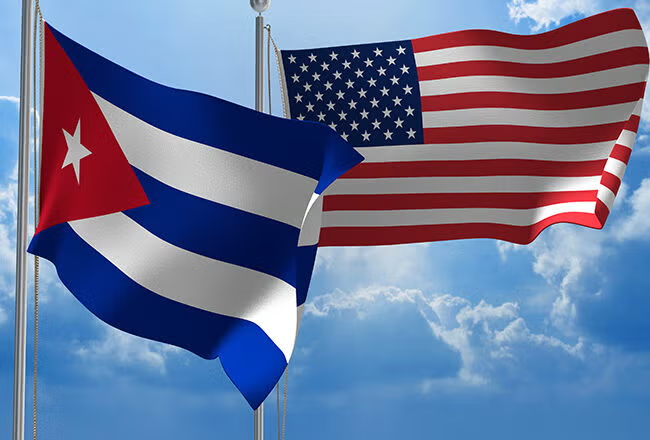
The Cuba prisoner release 2026 tensions US development comes amid heightened friction between Havana and Washington. Relations have remained tense due to longstanding political and economic disagreements, as well as differing views on governance and human rights.
Recent statements from U.S. officials have intensified the situation, with calls for:
- Political reforms in Cuba
- Changes to the country’s economic system
- Leadership transitions
At the same time, Cuban authorities have reiterated their commitment to maintaining sovereignty and resisting external pressure.
Ongoing diplomatic challenges
The timing of the Cuba prisoner release 2026 tensions US announcement is significant, as diplomatic talks between both nations appear to have stalled.
Despite occasional backchannel communications, major issues remain unresolved, including:
- Economic sanctions
- Migration concerns
- Human rights criticisms
Cuban leadership has signaled readiness to defend its political system while also exploring limited avenues to ease tensions.
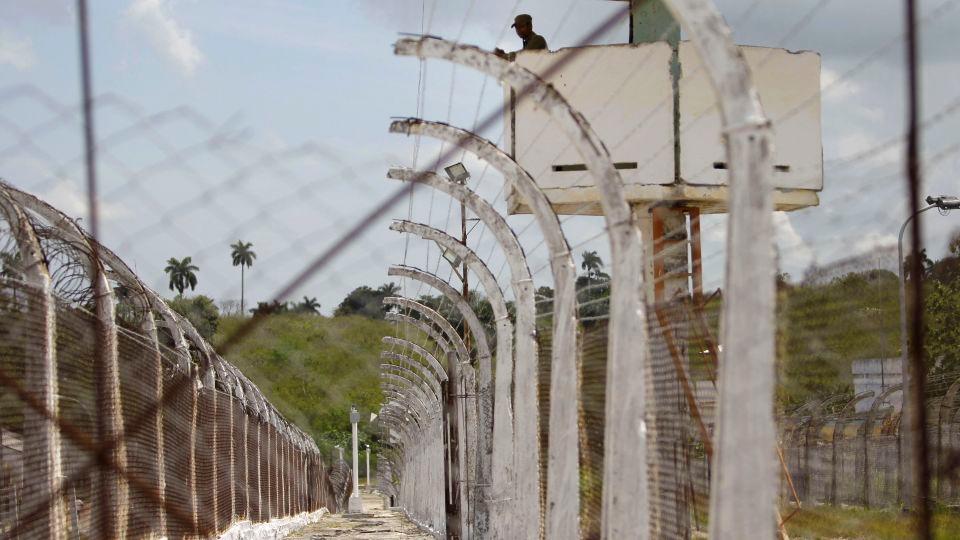
Debate over political prisoners in Cuba prisoner release 2026 tensions US
Dispute over classification of detainees
One of the most debated aspects of the Cuba prisoner release 2026 tensions US situation is whether political prisoners are included in the release.
Human rights organizations estimate that around 1,200 individuals in Cuba could be classified as political prisoners. However, the Cuban government does not recognize this category, instead labeling such individuals as having committed criminal offenses.
This disagreement has fueled criticism from international observers, who argue that more transparency is needed regarding:
- The identities of those released
- The criteria used for selection
- The exclusion of protest-related detainees
Prominent detainees still in custody
Despite the large-scale release, several high-profile dissidents reportedly remain in prison. Advocacy groups have pointed to ongoing concerns about:
- Freedom of expression
- Treatment of detainees
- Access to legal representation
These issues continue to shape global perceptions of Cuba’s justice system.
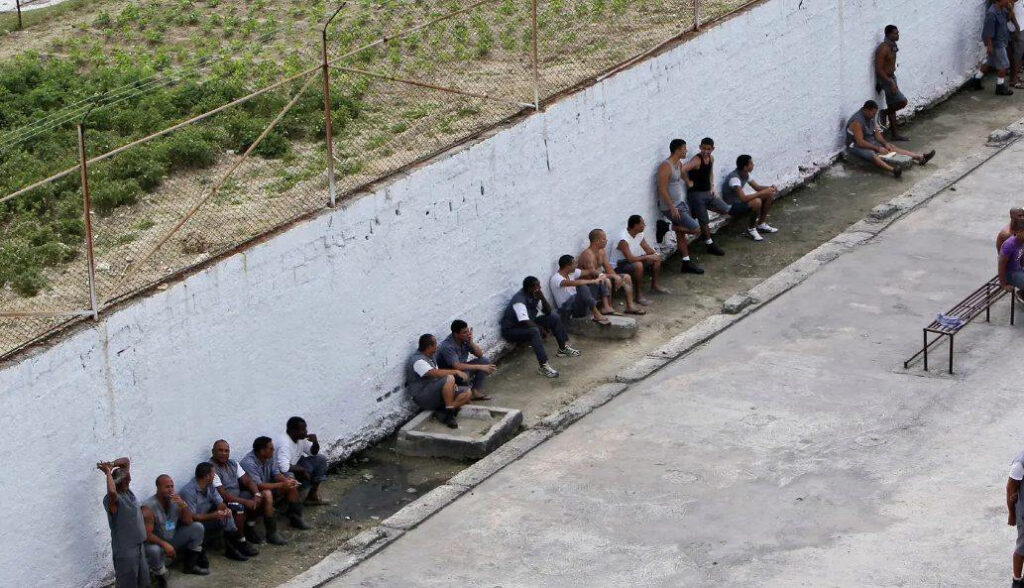
Economic and social context of Cuba prisoner release 2026 tensions US
Internal pressures facing Cuba
The Cuba prisoner release 2026 tensions US announcement also comes at a time of economic difficulty for the country. Cuba has been grappling with:
- Inflation and shortages of basic goods
- Energy challenges
- Limited economic reforms
These internal pressures may have influenced the decision to reduce the prison population, particularly among vulnerable groups.
Public response within Cuba
Reactions within Cuba have been varied. Some families have welcomed the release of loved ones, viewing it as a positive humanitarian step.
Others, however, remain cautious, noting that:
- Not all detainees were included
- Broader systemic issues persist
- Long-term reforms are still uncertain
The social impact of the release is expected to unfold gradually as more prisoners return to their communities.
International reactions to Cuba prisoner release 2026 tensions US
Calls for further action
The Cuba prisoner release 2026 tensions US development has drawn attention from governments, advocacy groups, and international organizations.
Many have acknowledged the scale of the release but continue to call for:
- The release of all political detainees
- Greater transparency in judicial processes
- Broader human rights reforms
Diplomatic significance
While the move is being interpreted by some as a gesture of goodwill, its impact on U.S.-Cuba relations remains uncertain.
Analysts suggest that:
- It could open the door for renewed dialogue
- It may serve as a strategic signal during negotiations
- It might not significantly alter existing tensions without further steps
FAQ
Why is Cuba releasing over 2,000 prisoners in 2026?
The Cuba prisoner release 2026 tensions US decision is described as a humanitarian gesture linked to Holy Week, as well as a continuation of past practices of granting clemency.
Are political prisoners included in the Cuba prisoner release 2026 tensions US?
It remains unclear. The Cuban government does not officially recognize political prisoners, and reports suggest many detainees linked to protests were excluded.
How does this affect U.S.-Cuba relations?
The Cuba prisoner release 2026 tensions US move may influence diplomatic discussions, but it is unlikely to resolve deeper political disagreements on its own.
Has Cuba released prisoners like this before?
Yes, Cuba has carried out similar large-scale releases in previous years, often tied to religious events or diplomatic engagements.
Conclusion
The Cuba prisoner release 2026 tensions US development represents a significant moment in the country’s legal and political landscape. While the release of more than 2,000 prisoners signals a humanitarian gesture, it also highlights ongoing debates around human rights, political detainees, and international relations. The long-term impact of this move will depend on whether it leads to broader reforms or remains a standalone action within a complex geopolitical context.
PLEASE CLICK HERE FOR MORE NEWS