 0
0
 0
0
Courtroom smartglasses scam 2026 has come to light after a witness was caught using wearable tech to receive coaching during a legal hearing. The case highlights mounting privacy and security concerns surrounding smartglasses as their popularity continues to grow.
Secret Coaching Through Smartglasses
Incident Overview
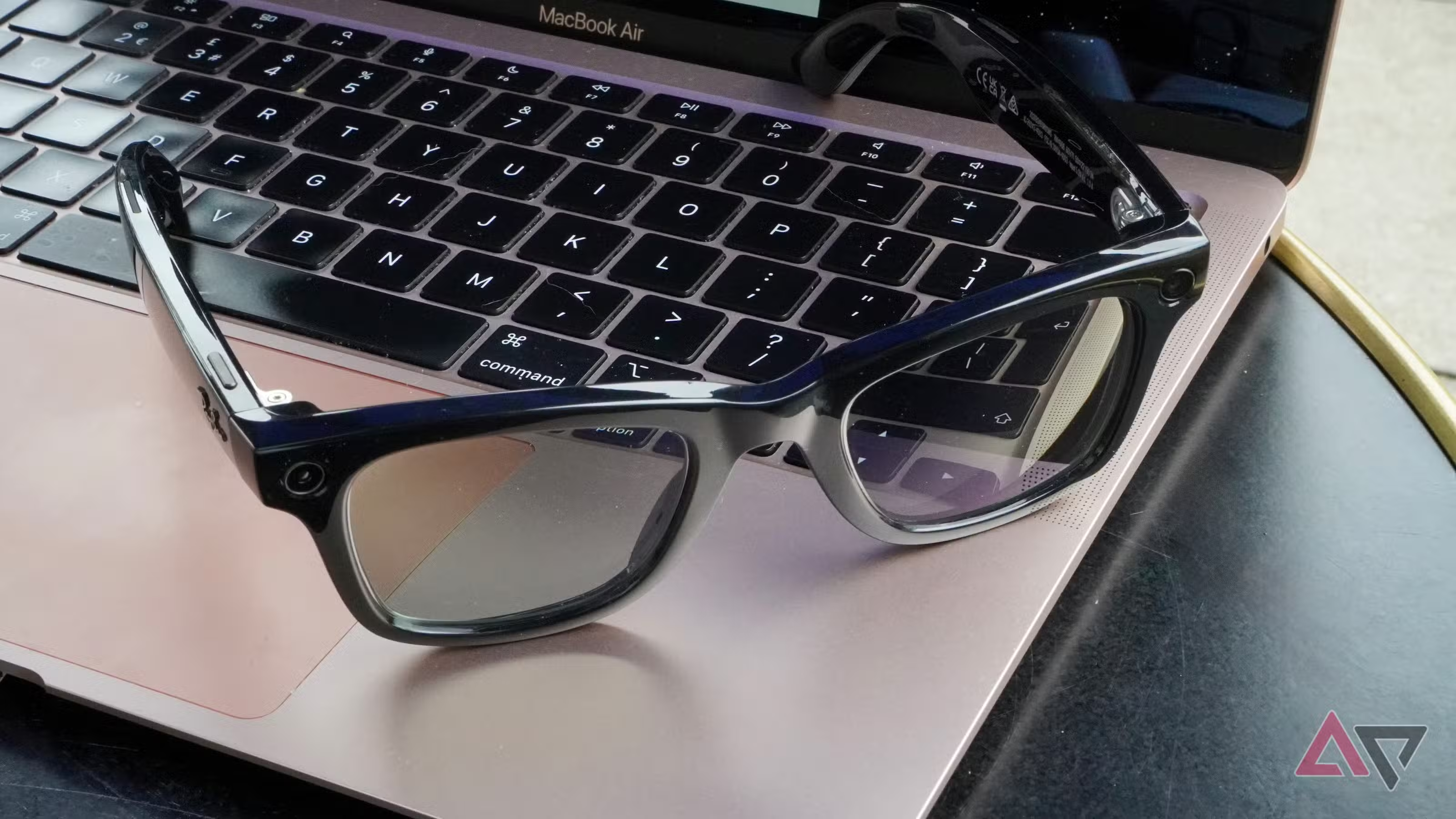
During a January 2026 hearing, claimant Mr. Laimonas Jakstys was called to give evidence and required an interpreter. Observers noticed unusual interference sounds coming from Jakstys’s side. It was soon discovered that he was wearing smartglasses, which were secretly used to coach him on answers during testimony.
-
The interpreter and a solicitor heard voices coming through the device
-
Jakstys claimed the voice was ChatGPT
-
The judge ordered the smartglasses removed to continue cross-examination
Once the glasses were confiscated, Jakstys hesitated before answering, leading the judge to reject his testimony entirely.
Multiple Calls and Device Use
Investigators discovered a series of calls made to and from a specific number during the hearing. Jakstys stated it was from a taxi driver. The court concluded that he had used the smartglasses to receive real-time guidance, a serious breach of courtroom protocol.
Legal Consequences
Judge’s Response
The judge stated:
“Once Mr Jakstys no longer had his smartglasses, he hesitated quite a bit before providing answers to questions. I reject Mr Jakstys evidence in its entirety. He was untruthful in relation to his use about the smartglasses and in being coached through the smartglasses.”
The devices were seized immediately, preventing further misuse during the proceeding.
Implications for Courtroom Security
This incident raises questions about how smartglasses and similar wearable technology can undermine courtroom integrity:
-
Potential for secret communication with outside parties
-
Difficulty in detecting covert coaching
-
Risks of manipulating testimony in sensitive cases
Technology Behind the Scam
Ray-Ban Meta Smartglasses
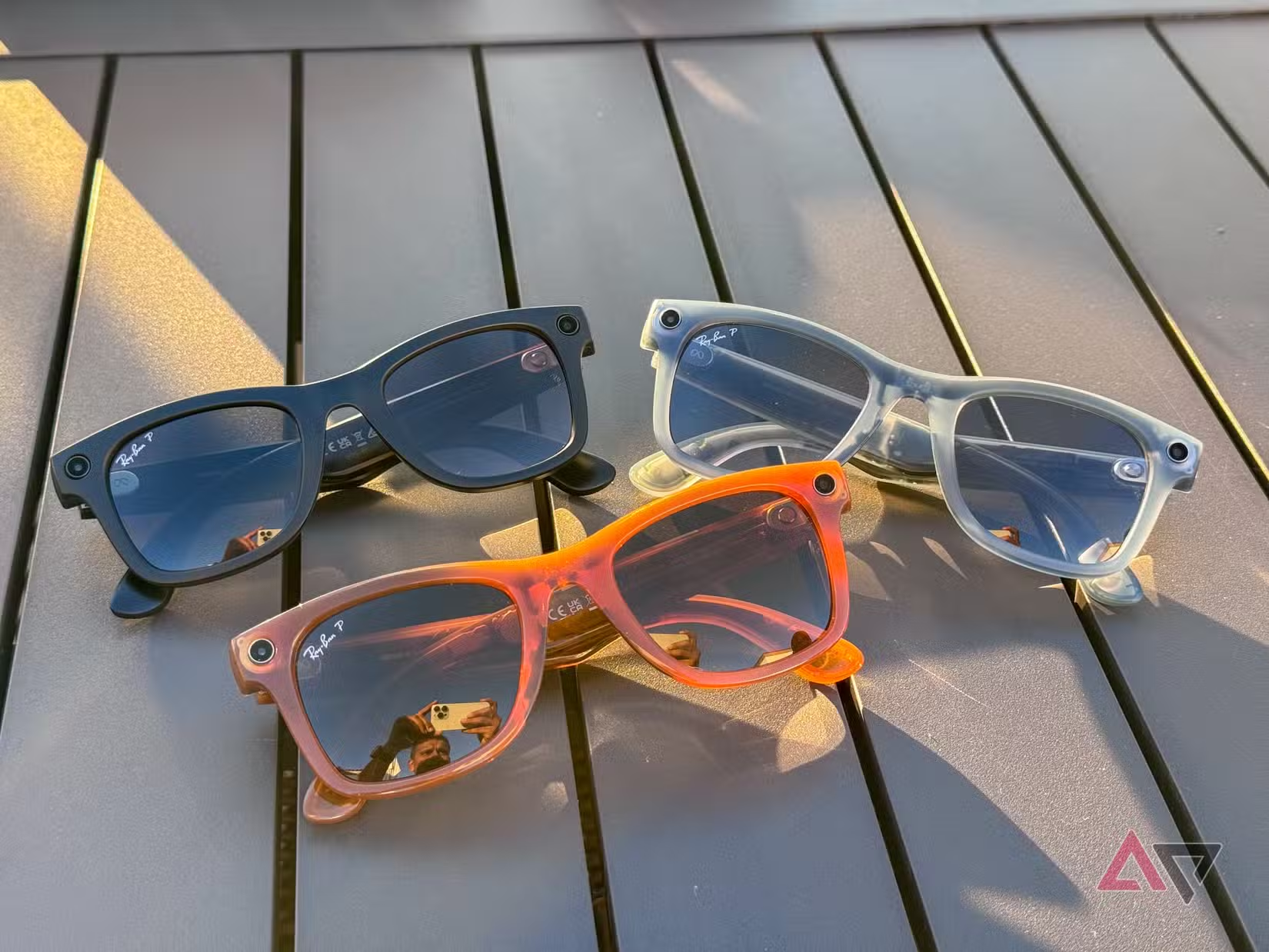
While the court did not disclose the exact model, it is suspected that Ray-Ban Meta smartglasses were used. These devices feature:
-
Internal speakers and microphones
-
Ability to make and receive calls when paired with a smartphone
-
Integration with apps that could relay instructions in real time
Privacy Concerns
Courtroom smartglasses scam 2026 adds to ongoing scrutiny over wearable tech. Previous incidents include:
-
Unauthorized street recordings of individuals
-
Third-party contractors accessing sensitive camera footage
These incidents continue to fuel debates over user privacy, consent, and ethical design in smartglasses.
Market Context
Industry Growth
Despite privacy controversies, smartglasses sales were booming at the end of 2025. Analysts predicted 2026 as a breakout year:
-
Meta and EssilorLuxottica doubled production to meet demand
-
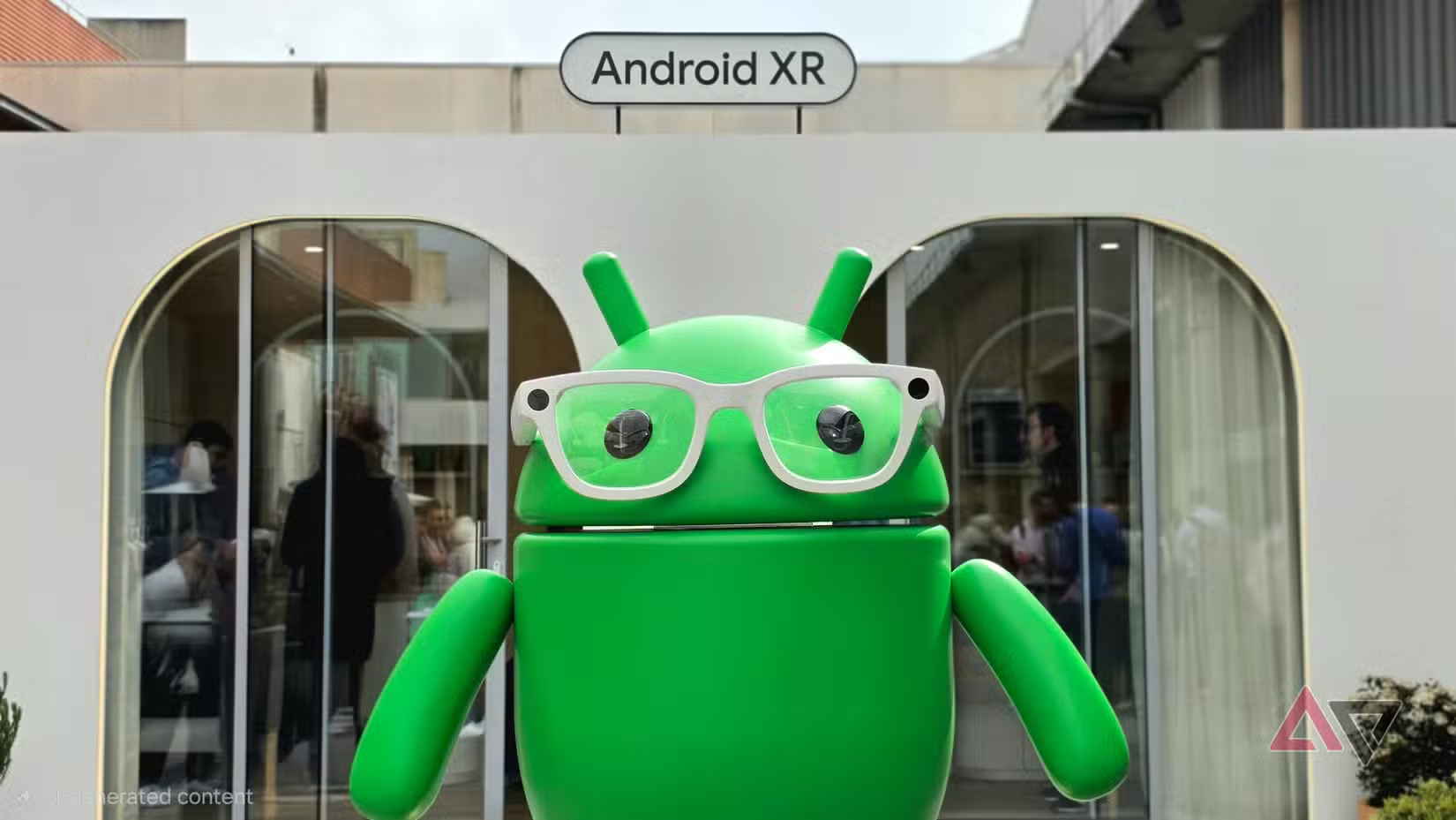
Samsung and Google preparing to launch new smartglasses models
-
Record-high adoption driven by wearable tech enthusiasts
Public Perception Challenges
Incidents like the courtroom coaching scam risk damaging the reputation of smartglasses just as the market expands. Analysts warn that ongoing privacy concerns could slow adoption if manufacturers do not address security issues.
Wider Implications
Legal and Policy Considerations
-
Courts may need stricter rules for wearable tech during testimony
-
Guidelines could include device inspections, bans, or monitoring
-
Legal professionals may face increased training on spotting misuse
Ethical Technology Use
Manufacturers face mounting pressure to design devices that respect user privacy and prevent misuse, especially in sensitive environments such as courtrooms, schools, and workplaces.
Potential Solutions
-
Enhanced courtroom screening for wearable devices
-
Device-level restrictions on audio communication during hearings
-
Legal frameworks establishing consequences for tech misuse
Conclusion
Courtroom smartglasses scam 2026 illustrates the intersection of cutting-edge technology and ethical boundaries. While smartglasses offer convenience and advanced features, incidents like these highlight the need for clear policies, responsible device design, and public awareness about potential misuse.
FAQ
Q1: What happened in the courtroom smartglasses scam 2026?
A1: A witness used smartglasses to receive coaching during a hearing, leading the judge to reject his testimony and confiscate the devices.
Q2: Which smartglasses were involved in the scam?
A2: The exact model was not confirmed, but Ray-Ban Meta smartglasses, with internal speakers and calling capabilities, were suspected.
Q3: How can smartglasses be misused in legal settings?
A3: Smartglasses can relay instructions from outside parties, secretly influence testimony, and compromise courtroom security.
Q4: What steps can prevent smartglasses misuse in courtrooms?
A4: Courts may require pre-hearing device inspections, restrict audio functions, and educate legal staff on detecting covert tech use.
PLEASE CLICK HERE FOR MORE NEWS