


The Colombia presidential election 2026 is unfolding as one of the most consequential political events in the country’s recent history. The vote comes at a time of deep national division, with competing visions focused on peace negotiations, security policies, and economic recovery shaping the political landscape.
Across the country, millions of voters are expected to participate in a decision that could redefine Colombia’s long-term direction. The Colombia presidential election 2026 reflects growing tensions between continuity under left-leaning reforms and a potential shift toward stronger security enforcement and market-driven economic policies.
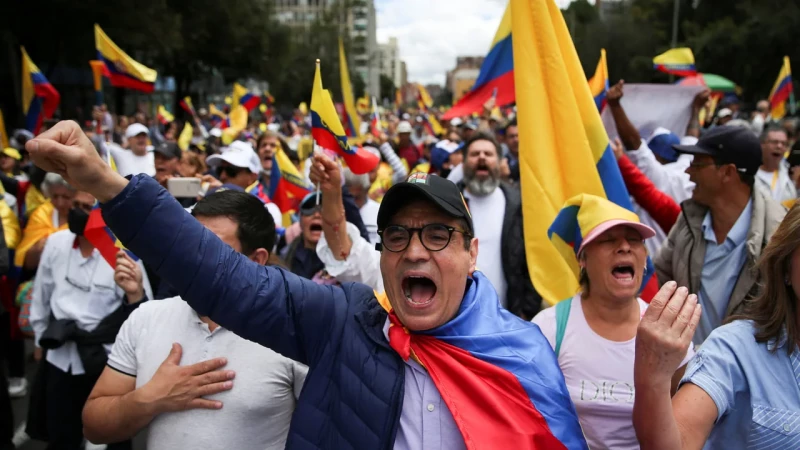

Nationwide Vote Amid Political Polarization
The election is being held in a highly polarized environment where voters are split between opposing political and economic visions. On one side are supporters of expanded social programs and continued peace negotiations. On the other are those calling for stricter security measures and economic liberalization.
Key Political Divide in Colombia
The central divide in the Colombia presidential election 2026 can be summarized as follows:
- Continuation of social reforms and peace talks
- Stronger military and policing strategies
- Tax policy reforms versus tax reduction plans
- State-led support versus private sector expansion
Electoral System and Runoff Expectations
Colombia’s electoral system requires a candidate to secure more than 50% of the vote to win outright.
H3: How the Two-Round System Works
- First round determines all candidates
- If no majority is achieved, a runoff is held
- Top two candidates advance to a second round
- Final vote expected on June 21 if needed
This system increases the importance of coalition building after the first round of the Colombia presidential election 2026.
Iván Cepeda and the Left-Wing Policy Direction
Iván Cepeda, representing the Historic Pact coalition, is a leading figure in the Colombia presidential election 2026. His campaign focuses on expanding social programs and strengthening peace initiatives aimed at resolving Colombia’s long-standing internal conflict.
Economic and Tax Reform Proposals
Cepeda’s economic strategy is centered on redistribution and public investment.
H3: Key Fiscal Policies
- Expanding the national tax base
- Introducing wealth-based taxation
- Reducing corporate tax exemptions
- Increasing public spending on social services
H3: Social Investment Focus
- Healthcare expansion
- Education funding
- Poverty reduction programs
These proposals aim to address inequality while strengthening state capacity.
Peace Process and Institutional Reform
A major component of Cepeda’s platform is continued engagement with illegal armed groups.
H3: Approach to Conflict Resolution
- Negotiation with armed groups
- Reintegration of former combatants
- Long-term peacebuilding strategies
He has also expressed openness to constitutional reform discussions, adding another dimension to the Colombia presidential election 2026 debate.
Personal Background and Political Influence
Cepeda’s political outlook is shaped by personal history, including the killing of his father during a paramilitary attack in the 1990s. This experience has influenced his focus on reconciliation and justice.
Right-Wing Candidates Focus on Security and Economy
The right side of the political spectrum presents alternative proposals centered on security enforcement, tax cuts, and economic growth. These candidates emphasize restoring order and strengthening national defense structures.
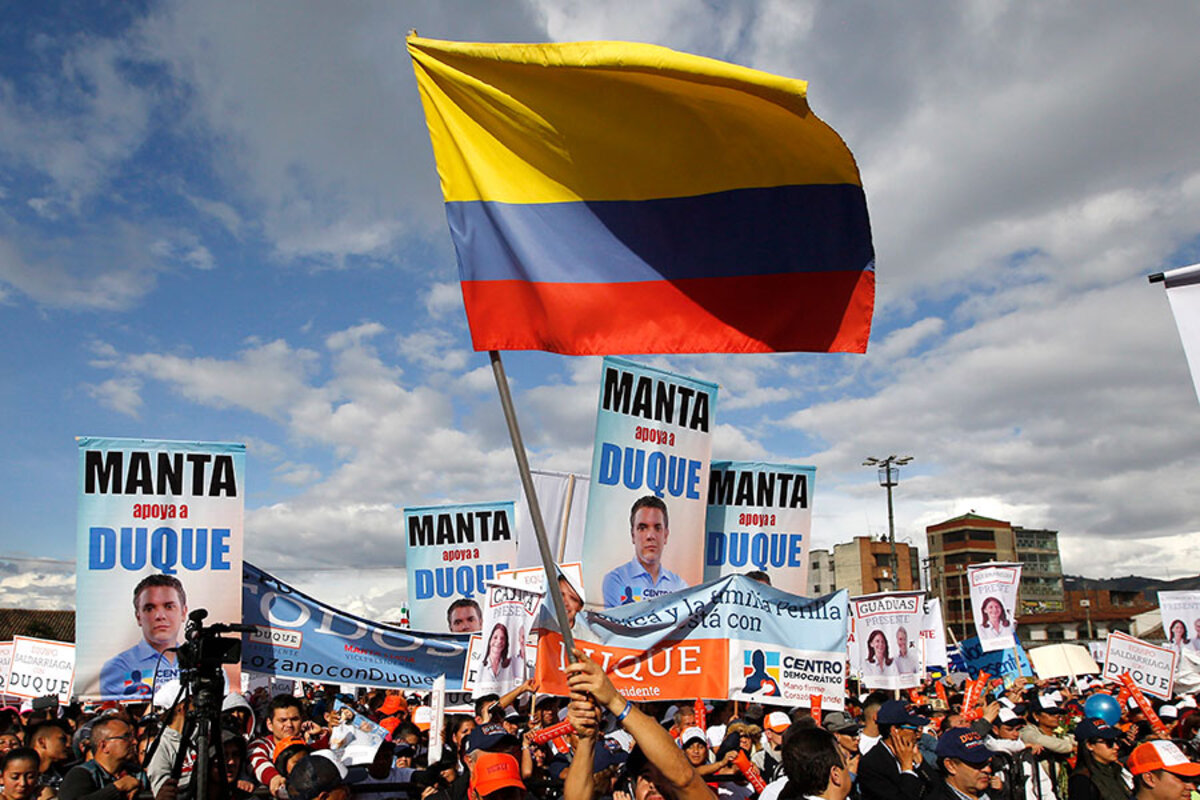

Abelardo De La Espriella and Security-Driven Policies
Abelardo De La Espriella, a businessman and political outsider, is one of the most prominent right-wing figures in the Colombia presidential election 2026.
H3: Security and Law Enforcement Strategy
- Strong military operations against armed groups
- Expansion of prison infrastructure
- Tougher anti-drug trafficking policies
H3: Economic Policy Direction
- Reduction of taxes
- Revival of oil and mining sectors
- Private sector-led growth strategies
His platform appeals to voters prioritizing security and economic stability.
Paloma Valencia and Conservative Governance Approach
Senator Paloma Valencia represents another key right-wing candidate in the race.
H3: Institutional Reform Agenda
- Ending peace negotiations with armed groups
- Reforming healthcare and pension systems
- Strengthening judicial enforcement
H3: Economic Competitiveness Measures
- Lower corporate taxes
- Job creation through business incentives
- Increased investment in traditional industries
Her position reflects a structured conservative approach within the Colombia presidential election 2026 framework.
Centrist Candidates Face Reduced Momentum
Centrist candidates, including Sergio Fajardo and Claudia López, are participating in the election but face challenges gaining significant voter support compared to previous cycles.
Factors Affecting Centrist Performance
H3: Political Environment Challenges
- Increased polarization between left and right
- Difficulty differentiating policy platforms
- Fragmented centrist voter base
H3: Electoral Impact
- Lower polling performance
- Reduced influence in shaping final outcome
- Dependence on coalition negotiations
Key National Issues Shaping the Election
Several major national concerns are influencing voter decisions across all regions in the Colombia presidential election 2026.
Security and Armed Conflict
Security remains a central issue due to ongoing challenges involving illegal armed groups and drug trafficking networks.
H3: Competing Security Approaches
- Negotiation and reintegration strategies
- Military enforcement policies
- Hybrid institutional reforms
Economic Stability and Growth
Colombia, Latin America’s fourth-largest economy, faces challenges including inflation, unemployment, and fiscal pressure.
H3: Economic Policy Differences
- Increased taxation for social programs
- Tax cuts to encourage investment
- Energy sector expansion debates
Poverty and Social Development
Poverty reduction and improved access to healthcare and education remain key voter priorities across political lines.
Voting Process and National Participation
More than 41 million citizens are eligible to vote in the election, with polling stations opening in the morning and operating for approximately eight hours.
Voter Engagement Factors
- Urban and rural turnout differences
- Youth participation levels
- Impact of undecided voters
High participation levels could significantly influence the outcome of the Colombia presidential election 2026.
Likely Runoff Scenario and Political Implications
Surveys indicate that no candidate is expected to win an outright majority in the first round.
What Happens After Round One
- Top two candidates proceed to runoff
- Political alliances become crucial
- Voter realignment shapes final result
The runoff stage often reshapes campaign strategies and voter priorities.
Challenges Facing the Next Administration
The incoming government will face several structural challenges that require immediate attention.
Economic and Governance Priorities
- Stabilizing public finances
- Reducing poverty and inequality
- Strengthening institutions
- Managing public debt
Long-Term National Concerns
- Sustainable economic development
- Reduction of violence linked to armed groups
- Restoration of public trust in governance
These issues will define the success of the next presidency beyond the Colombia presidential election 2026.


FAQ
What is the Colombia presidential election 2026 about?
It is a national election focused on peace efforts, security policies, and economic reform strategies.
Will the Colombia election go to a second round?
Yes, if no candidate wins more than 50% of votes, a runoff between the top two candidates will take place.
Who are the main candidates in the election?
Major candidates include Iván Cepeda, Abelardo De La Espriella, and Paloma Valencia.
What are the biggest issues in the election?
Key issues include security, economic recovery, poverty reduction, and peace negotiations.
Conclusion
The Colombia presidential election 2026 represents a defining political moment shaped by competing visions for peace, security, and economic direction. The outcome will determine how Colombia addresses long-standing challenges and sets its policy direction for the coming years.
Click here for more news


