


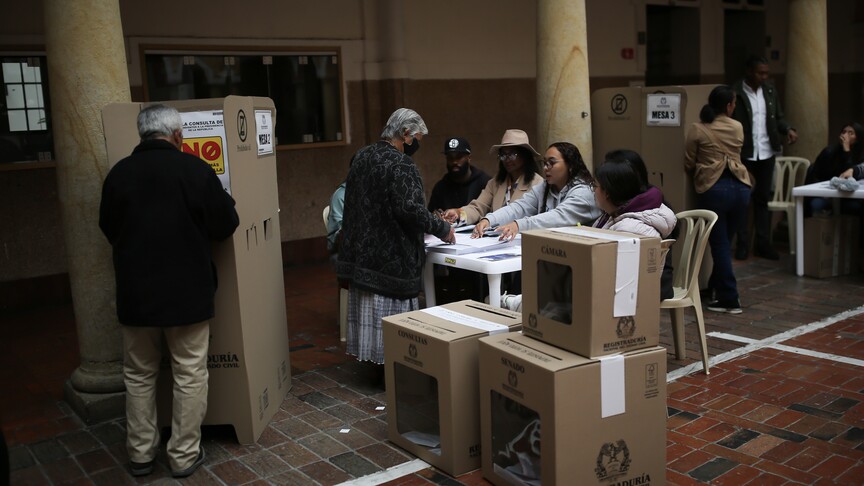
The Colombia presidential election 2026 is underway as more than 40 million eligible voters head to polling stations across the country to select a successor to President Gustavo Petro. The election marks a significant moment in Colombia’s political history, with voters choosing between competing visions for the nation’s future amid concerns over security, economic stability, and governance.
Polling stations opened nationwide on May 31, 2026, in what analysts describe as one of the most consequential elections in recent years. With no candidate expected to secure an outright majority, attention is already turning toward a likely runoff election scheduled for June 21.

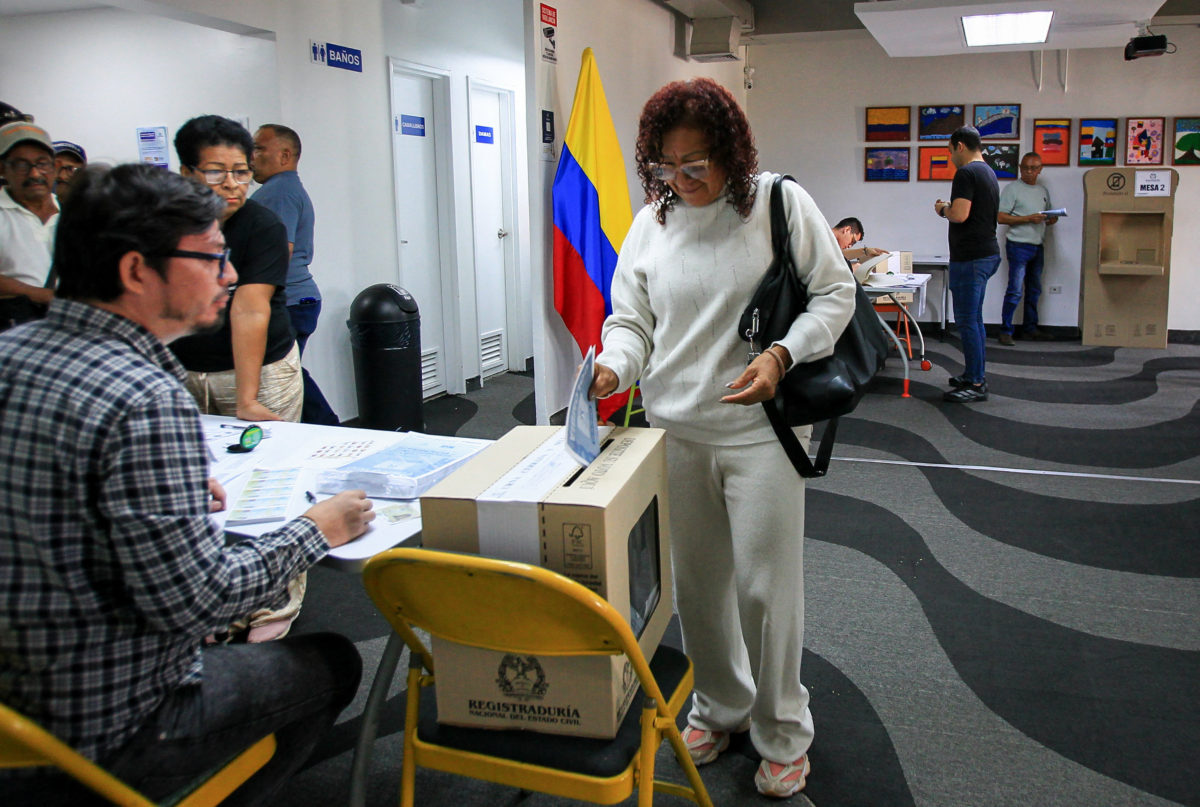
Colombians Head to the Polls in a High-Stakes Vote
More Than 40 Million Eligible Voters
The Colombia presidential election 2026 involves one of the largest electorates in the country’s history. More than 40 million registered voters have the opportunity to participate in determining the next president.
Election authorities have organized voting across thousands of polling locations nationwide, with voting expected to continue until the official closing time in the afternoon.
A Deeply Polarized Political Environment
The election takes place against a backdrop of significant political divisions. Public debates throughout the campaign focused on issues such as:
- National security
- Economic growth
- Corruption allegations
- Public services
- Relations with armed groups
- Government reform policies
These topics have dominated public discourse and shaped voter preferences during the months leading up to election day.
Why This Election Matters
The outcome of the Colombia presidential election 2026 will influence the country’s direction on key domestic and international issues. The next administration will inherit challenges related to security, social development, economic management, and institutional reform.
The Race to Succeed President Gustavo Petro
End of Petro’s Presidential Term
President Gustavo Petro’s administration is nearing its conclusion after a term marked by ambitious reforms and significant political debate.
Supporters credit his government with advancing progressive policies, while critics have pointed to concerns regarding public security and governance challenges.
As Colombians cast their ballots, voters are effectively deciding whether to continue the current political direction or embrace a different approach.
Legacy of the Current Administration
Several issues have shaped public perception of the outgoing government:
- Security concerns in various regions
- Debate over peace initiatives
- Economic policy discussions
- Institutional reforms
- Corruption-related controversies
These factors have become central themes throughout the election campaign.
Voters Face a Choice on Continuity or Change
Many observers view the election as a referendum on the broader political direction established during Petro’s presidency.
The Colombia presidential election 2026 has therefore become more than a contest between candidates; it is also a debate over competing visions for the country’s future.
Three Leading Candidates Emerge in Crowded Field
Ivan Cepeda Represents the Governing Coalition
Senator Ivan Cepeda enters the election as the candidate representing the ruling Pacto Histórico coalition.

Continuing the Progressive Agenda
Cepeda has campaigned on maintaining many of the policies associated with the current administration, appealing to voters who support progressive reforms and social programs.
Support Base
His strongest support comes from:
- Progressive voters
- Left-leaning political groups
- Supporters of Petro’s reforms
- Urban constituencies favoring social policy expansion
Abelardo de la Espriella Gains Momentum
Abelardo de la Espriella has emerged as one of the election’s most prominent figures.
Anti-Establishment Appeal
His campaign has attracted voters frustrated with traditional politics and those seeking a tougher response to crime and security concerns.
Focus on Public Safety
Key campaign themes include:
- Stronger law enforcement measures
- Security reforms
- Government accountability
- Institutional strengthening
Paloma Valencia Courts Conservative and Centrist Voters
Paloma Valencia enters the race backed by the Centro Democrático political movement.
Conservative Platform with Broader Appeal
Valencia has sought to combine traditional conservative policies with efforts to attract moderate and independent voters.
Balancing Different Political Groups
Her strategy includes:
- Appealing to conservative supporters
- Reaching centrist voters
- Promoting institutional stability
- Emphasizing economic growth and governance
A Runoff Election Appears Increasingly Likely
Colombia’s Electoral System
Under Colombia’s electoral rules, a presidential candidate must secure more than 50% of valid votes to win outright in the first round.
If no candidate achieves this threshold, the top two candidates advance to a second-round runoff election.
Why Analysts Expect a Second Round
Opinion surveys conducted before election day suggested that no candidate held enough support to avoid a runoff.
Several factors contribute to this expectation:
- Multiple competitive candidates
- Fragmented voter preferences
- Strong regional voting patterns
- Divisions across ideological groups
As a result, the Colombia presidential election 2026 is widely expected to continue into a decisive second round.
June 21 Runoff Could Be Decisive
Should no candidate secure a majority, voters will return to the polls on June 21 to choose between the top two finishers.
The runoff campaign would likely intensify political debates and encourage coalition-building among parties eliminated in the first round.
Security and Peace Process Remain Major Election Issues
Concerns Over Illegal Armed Groups
One of the most discussed issues during the campaign has been security.
Many Colombians remain concerned about the activities of illegal armed groups operating in various regions of the country.
Debate Over the “Total Peace” Initiative
The government’s peace strategy, known as “Total Peace,” has generated extensive discussion.
Supporters argue that dialogue remains essential for reducing violence, while critics question whether the approach has delivered the desired results.
Public Demand for Stability
Across the political spectrum, voters have consistently identified public safety as a top priority.
This issue is expected to remain central regardless of who wins the Colombia presidential election 2026.
What Happens After Voting Ends?
Counting and Preliminary Results
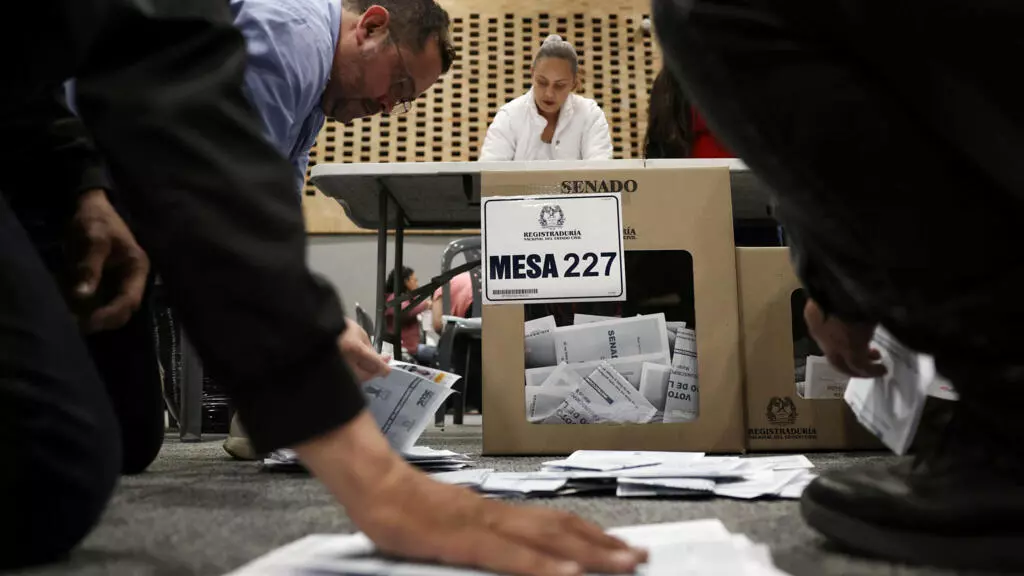
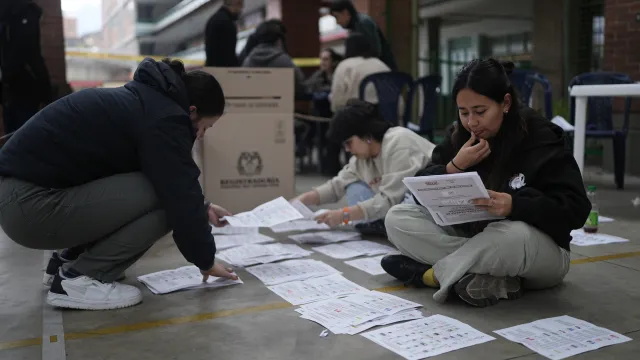
Election officials will begin counting ballots immediately after polling stations close.
Preliminary results are expected later in the day, providing an early indication of which candidates may advance.
Potential Coalition Negotiations
If a runoff becomes necessary, eliminated candidates and political parties could play a significant role through endorsements and coalition agreements.
International Attention on the Election
The election is being closely watched throughout Latin America and beyond due to Colombia’s regional importance and influence on issues such as trade, security, migration, and diplomacy.

FAQ
Who are the leading candidates in the Colombia presidential election 2026?
The leading contenders are Ivan Cepeda, Abelardo de la Espriella, and Paloma Valencia, though several other candidates are also participating in the election.
Why is the Colombia presidential election 2026 considered important?
The election will determine the successor to President Gustavo Petro and shape the country’s policies on security, economic development, governance, and social reform.
Will there be a runoff election in Colombia?
A runoff is likely if no candidate receives more than 50% of the vote in the first round. If necessary, the second round is scheduled for June 21, 2026.
What issues are most important to Colombian voters in 2026?
Security, economic conditions, corruption concerns, public services, and peace initiatives have emerged as major issues during the campaign.
Conclusion
The Colombia presidential election 2026 represents a pivotal moment for the country as millions of voters decide who will lead Colombia into its next political chapter. With a fragmented field of candidates, significant policy debates, and a likely runoff ahead, the election outcome will have important implications for governance, security, and national development. As votes are counted, attention will remain focused on which candidates emerge as the frontrunners in one of Colombia’s most closely watched presidential contests.
Click here for more news


