 0
0
 0
0
CIA assessment on Iran leadership change has revealed serious concerns inside Washington about what would happen if Iran Supreme Leader Ayatollah Ali Khamenei were killed during recent US and Israeli military strikes. According to intelligence sources, US officials concluded that Iran political system would not collapse into reform but would likely move deeper into hardline control.
The CIA assessment on Iran leadership change was prepared in the weeks leading up to the military action and examined multiple post strike scenarios. Intelligence analysts found that power would most likely shift to senior figures within the Islamic Revolutionary Guard Corps rather than civilian leaders or opposition groups.
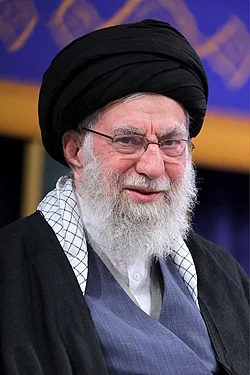
Intelligence reports examine post Khamenei scenarios
The CIA assessment on Iran leadership change reviewed potential outcomes following a US led military intervention. Analysts focused on leadership succession, internal stability, and the possibility of public uprising. The findings suggested that even the removal of Iran highest authority would not guarantee regime change.
According to officials familiar with the intelligence, the reports emphasized uncertainty but consistently pointed to the IRGC as the most organized force capable of filling a leadership vacuum. The CIA assessment on Iran leadership change noted that the current system is structured to survive leadership shocks.
The Central Intelligence Agency declined to comment publicly on the reports.
Trump rhetoric contrasts with intelligence caution
US President Donald Trump has repeatedly expressed interest in regime change in Iran. However, the CIA assessment on Iran leadership change contrasts sharply with public statements suggesting that military pressure would empower the Iranian people to overthrow their government.
In a video address following the strikes, Trump encouraged Iranians to take control of their future. Intelligence officials privately assessed that spontaneous uprising without organized leadership would face major obstacles, especially under pressure from security forces.
The CIA assessment on Iran leadership change warned that strong rhetoric without a clear transition plan could result in unintended consequences.
IRGC viewed as dominant successor force
The Islamic Revolutionary Guard Corps is an elite military institution created to defend Iran clerical system. Over time, it has expanded its reach into politics, intelligence, and key industries.
According to the CIA assessment on Iran leadership change, the IRGC internal command structure and economic power make it uniquely positioned to dominate any post Khamenei transition. Analysts believe that a leadership change could strengthen the IRGC grip rather than weaken it.
The CIA assessment on Iran leadership change highlighted that IRGC leaders already wield significant influence behind the scenes and could formalize control during a crisis.
Failed diplomacy increased military pressure
Before the strikes, US officials attempted to prevent escalation through nuclear negotiations. Talks held in Geneva failed to reach an agreement, reducing diplomatic options.
Secretary of State Marco Rubio briefed senior lawmakers that military action was increasingly likely. The CIA assessment on Iran leadership change was shared with top officials as part of broader decision making discussions.
Lawmakers were informed that operations could begin within hours, though officials stressed that uncertainty remained until the final decision.
Protests show unrest but limited coordination
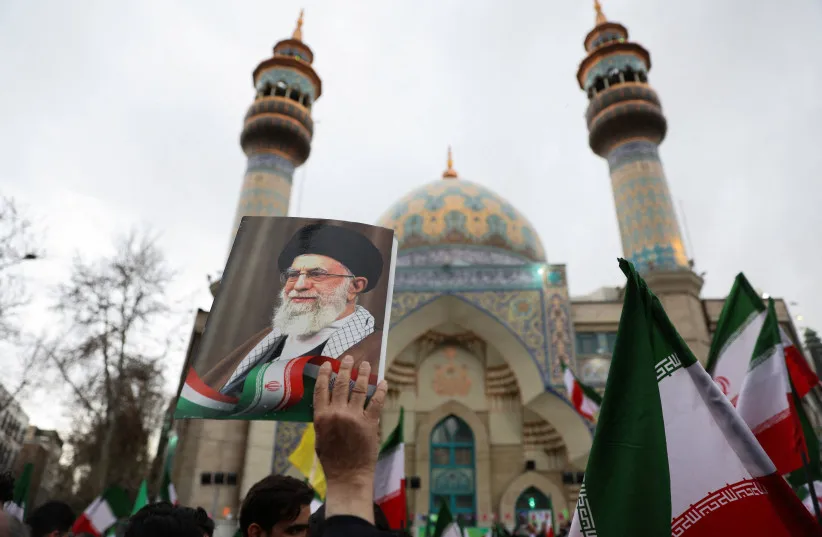
Following the strikes, demonstrations erupted in several Iranian cities. Protesters expressed anger over foreign attacks and frustration with domestic leadership. Images showed crowds holding portraits of Khamenei during rallies.
The CIA assessment on Iran leadership change concluded that protests alone would not dismantle the existing power structure. Analysts noted the absence of unified leadership, external support, and defections from security forces.
Without those elements, intelligence officials believe unrest could be contained rather than expanded.
Broader implications for US strategy
The CIA assessment on Iran leadership change underscores the complexity of military driven regime change. Intelligence officials cautioned that removing a single leader does not guarantee political transformation and may strengthen more extreme elements.
For Washington, the findings raise difficult questions about long term strategy, regional stability, and unintended escalation.
please click here for more news