


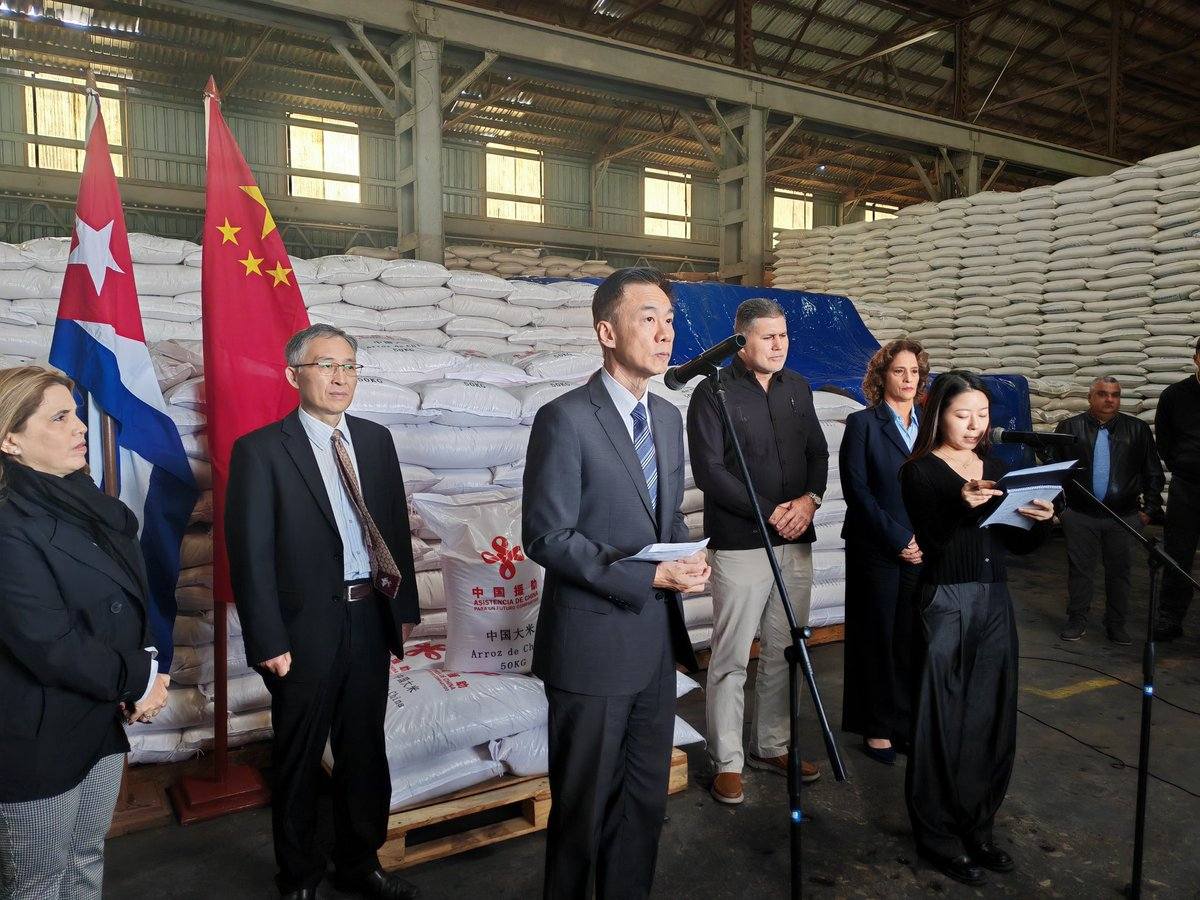
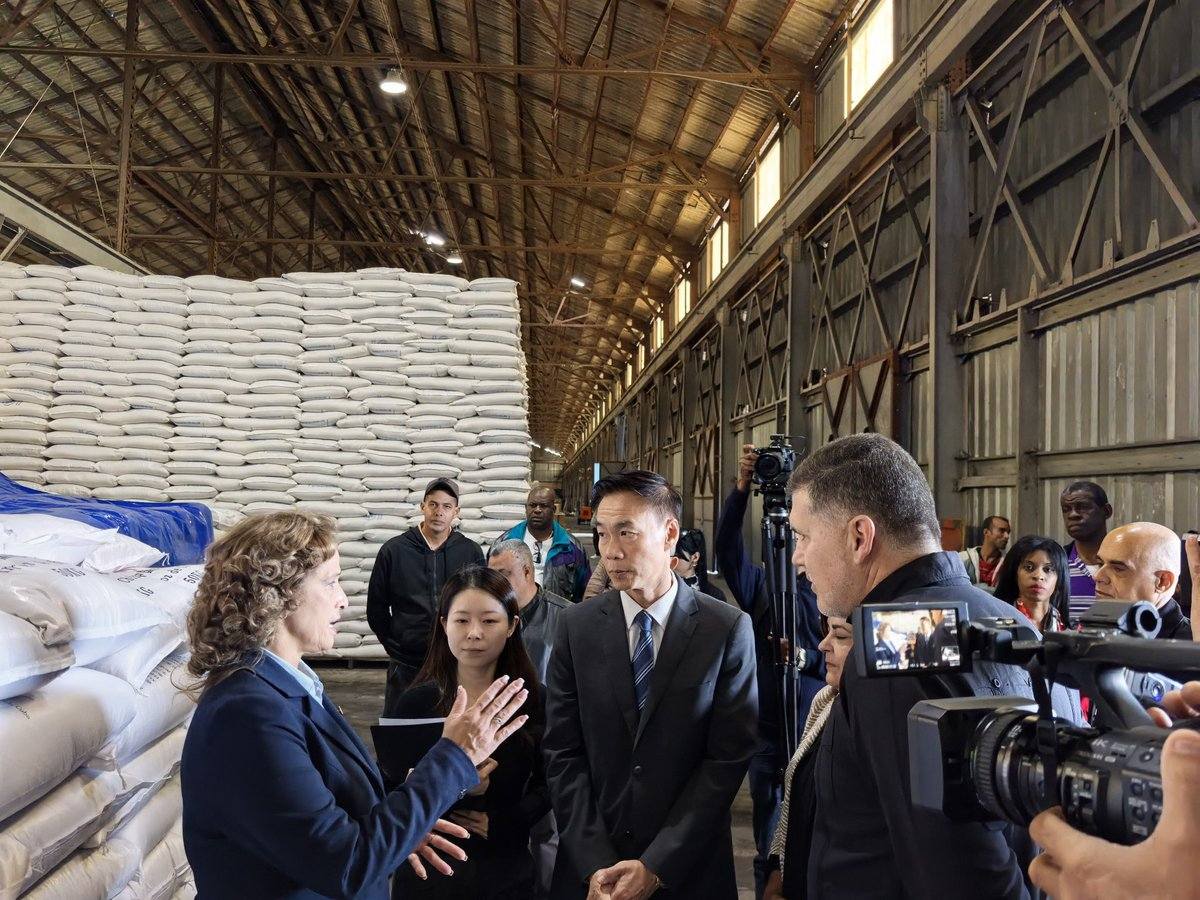
The Chinese rice aid to Cuba has officially begun arriving after Cuban authorities confirmed the delivery of the first shipment under a major food assistance agreement between Havana and Beijing. Cuban President Miguel Díaz-Canel announced that the initial delivery includes 15,000 tons of rice and forms part of a broader Chinese commitment to provide 60,000 tons of rice to the Caribbean nation.
The shipment comes as Cuba continues to face serious economic difficulties, including food shortages, energy problems, and inflation pressures that have affected daily life across the country. Chinese officials described the assistance package as one of the largest food aid efforts provided to Cuba in recent years.


Cuba Confirms Arrival of Chinese Rice Shipment
Cuban authorities stated that the first cargo of rice arrived successfully as part of a multi-phase delivery arrangement coordinated between both governments.
President Miguel Díaz-Canel publicly thanked China for the support, describing the aid as an important contribution during a difficult economic period for the island nation.
First Delivery Includes 15,000 Tons of Rice
According to Cuban officials, the first shipment contains approximately 15,000 tons of rice. Additional shipments are expected to arrive in stages until the total reaches 60,000 tons.
The food assistance program is expected to be distributed across local markets and public supply systems to help address shortages affecting many communities.
Four Separate Shipments Planned
Cuban Minister of Foreign Trade Betsy Díaz explained that the rice deliveries will arrive in four separate shipments.
The logistics plan reportedly includes:
- Four shipments of 15,000 tons each
- Gradual distribution to local supply chains
- Coordination between Cuban and Chinese authorities
- Continued monitoring of food availability
Officials say the phased approach is designed to support stable supply management across the country.
China Expands Support for Cuba
The Chinese rice aid to Cuba highlights the growing economic and diplomatic relationship between Beijing and Havana.
China Describes Aid as Major Assistance Package
Chinese Ambassador Hua Sim said the rice deliveries represent one of the largest food aid packages China has provided to Cuba in recent years.
China and Cuba have maintained close political and economic relations for decades, particularly in areas involving trade, infrastructure cooperation, and development assistance.
Chinese officials have repeatedly emphasized support for Cuba’s sovereignty and economic stability amid ongoing international tensions.
Strategic Ties Between Havana and Beijing
The relationship between both countries has strengthened in recent years through:
- Bilateral trade agreements
- Infrastructure partnerships
- Technology cooperation
- Financial and humanitarian support
Analysts say the latest food aid package reflects the strategic importance of Cuba within China’s broader relationships in Latin America and the Caribbean.

Cuba Continues Facing Economic Challenges
The arrival of Chinese rice aid to Cuba comes during a prolonged economic crisis that has affected food supplies, electricity generation, and access to essential goods.
Food and Medicine Shortages Persist
Cuba has experienced recurring shortages of basic products in recent years. Many residents have faced difficulties accessing:
- Rice and staple foods
- Cooking oil
- Medicines
- Fuel supplies
Economic pressures have also contributed to long queues at stores and rising concerns about household affordability.
Energy Crisis Adds Additional Pressure
Alongside food shortages, Cuba continues dealing with a severe energy crisis marked by repeated power outages.
Several factors have reportedly contributed to the situation, including:
- Aging power infrastructure
- Fuel supply limitations
- Economic sanctions
- Financial constraints on imports
Frequent electricity disruptions have affected businesses, transportation systems, and residential communities across the island.
United States Sanctions Remain a Key Issue
Cuban authorities continue pointing to longstanding US sanctions as a major factor contributing to the country’s economic difficulties.
US Embargo Has Lasted Decades
The United States has maintained economic restrictions on Cuba since 1962. Over the decades, these sanctions have limited trade, financial transactions, and access to certain international markets.
Cuban officials argue that the embargo has significantly impacted:
- Food imports
- Energy supplies
- Medical resources
- Economic development
Washington, however, has maintained that its policies are tied to political and human rights concerns.
Recent Tensions Increased Diplomatic Pressure
Relations between Havana and Washington have remained tense in recent years. Political disagreements and policy disputes continue affecting diplomatic communication between both governments.
Recent developments have included:
- Additional economic restrictions
- Public criticism from both sides
- Disputes over political reforms
- Increased international attention on Cuba’s economic conditions
These tensions have further highlighted the importance of external partners such as China for the Cuban government.
China’s Role in Cuba’s Economic Stability
The Chinese rice aid to Cuba is viewed by many observers as both humanitarian support and a sign of deeper geopolitical cooperation.
China Becomes an Important Economic Partner
China has emerged as one of Cuba’s key international partners in areas such as:
- Trade
- Energy cooperation
- Infrastructure projects
- Telecommunications
The relationship has grown as Cuba seeks stronger economic ties outside traditional Western markets.
Aid Carries Diplomatic Significance
Analysts say food assistance can also carry strategic political importance, especially during periods of regional tension.
For Cuba, Chinese support may help:
- Reduce immediate food pressures
- Stabilize local supply systems
- Strengthen diplomatic alliances
- Support economic resilience
However, economists note that humanitarian assistance alone may not fully resolve Cuba’s deeper structural economic challenges.
Questions Remain About Long-Term Economic Recovery
While the rice shipments may provide temporary relief, experts continue debating the long-term outlook for Cuba’s economy.
Structural Problems Continue
Economic analysts point to several ongoing concerns, including:
- Low domestic production
- Currency instability
- Infrastructure limitations
- Dependence on imports
These factors continue influencing Cuba’s broader economic recovery efforts.
Food Security Still a Major Concern
Food availability remains one of the most pressing issues facing many Cuban households. Authorities continue seeking international partnerships and supply agreements to stabilize access to essential goods.
The Chinese rice aid to Cuba may ease some immediate shortages, but long-term solutions will likely depend on broader economic reforms and improved production capacity.
FAQ
How much rice is China sending to Cuba?
China has committed to sending a total of 60,000 tons of rice to Cuba through four separate shipments.
Why is Cuba receiving food aid from China?
Cuba is facing economic difficulties, including food shortages and energy problems, prompting support from international partners such as China.
What problems is Cuba currently facing?
Cuba continues dealing with shortages of food, medicine, and fuel, alongside frequent power outages and economic pressures.
How does China support Cuba economically?
China supports Cuba through trade partnerships, infrastructure cooperation, development assistance, and humanitarian aid programs.
The arrival of Chinese rice aid to Cuba reflects the growing partnership between Havana and Beijing during a period of economic hardship for the island nation. While the food shipments may provide short-term relief for supply shortages, broader economic and political challenges continue shaping Cuba’s long-term recovery efforts.
Click here for more news


