 0
0
 0
0
Overview
China has unveiled a new anti-drone system that could significantly change modern warfare. Known as the Hurricane 3000, the system uses high-powered microwave technology to disable multiple drones at once. Military analysts say the weapon highlights China’s rapid progress in counter-drone and electronic warfare capabilities.
What Is the Hurricane 3000

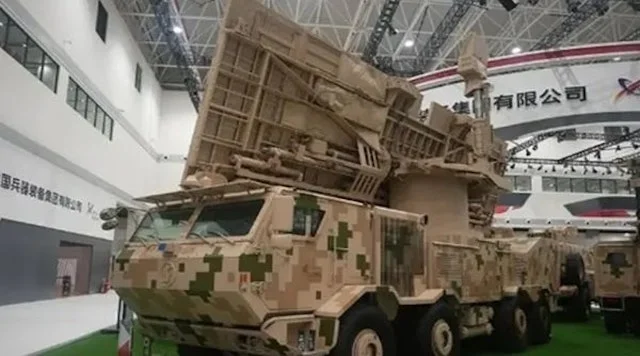
The Hurricane 3000 is a vehicle-mounted high-powered microwave weapon developed by Chinese state-owned defense firms. Unlike traditional air defense systems that target drones one at a time, this platform focuses on neutralizing drone swarms across a wide area.
The system emits intense microwave energy that disrupts onboard electronics. This includes navigation systems, flight controls, sensors, and communication links. As a result, multiple drones can be disabled simultaneously without physical interception.
How the System Works
The weapon relies on directed microwave energy spread over a broad zone. This approach allows it to overwhelm the electronic components of drones operating together. Engineers designed the system to address a key challenge in modern warfare: large-scale drone attacks meant to saturate defenses.
Mounted on an eight-wheel heavy truck, the Hurricane 3000 includes its own power supply, cooling units, radar, optical sensors, and a planar microwave emitter. Reports indicate that China has already integrated the system into active military units.
Strategic Importance
Military experts describe the Hurricane 3000 as part of a larger air defense network rather than a standalone weapon. It is expected to operate alongside missiles, lasers, and other electronic warfare tools.
The system supports China’s broader strategy of wide-area denial rather than limited point defense. This approach allows forces to control large sections of the battlefield while reducing debris and collateral damage.
Implications for the United States and Allies
If deployed in large numbers, the Hurricane 3000 could challenge drone-based strategies used by the United States and its partners. Analysts warn that offensive drone operations may require major adjustments if such systems become widespread.
In a potential conflict involving Taiwan, the weapon could target intelligence, surveillance, and reconnaissance drones. Disabling these assets would reduce situational awareness and slow response times.
Role in China’s A2 AD Strategy
Defense observers link the Hurricane 3000 to China’s anti-access and area-denial posture. This strategy aims to limit the ability of opposing forces to operate freely in contested regions. Strong electronic warfare capabilities play a central role in this approach.
While Western militaries are developing similar systems, many remain in prototype stages. China’s operational deployment suggests it may have gained an early advantage in this area.
The Growing Importance of Electronic Warfare
High-powered microwave weapons highlight the rising importance of control over the electromagnetic spectrum. Future conflicts are likely to focus on jamming, spoofing, electronic disruption, and system hardening.
China’s progress in this field contrasts with slower institutional responses elsewhere. Analysts note that dominance in the electromagnetic domain could shape the outcome of future high-intensity conflicts.