China Panda Diplomacy Becomes a Diplomatic Balancing Act
Posted on
Visitors gather at Ueno Zoo in Tokyo to see giant pandas Xiao Xiao and Lei Lei before their return to China
0
0
Read Time:4 Minute, 8 Second
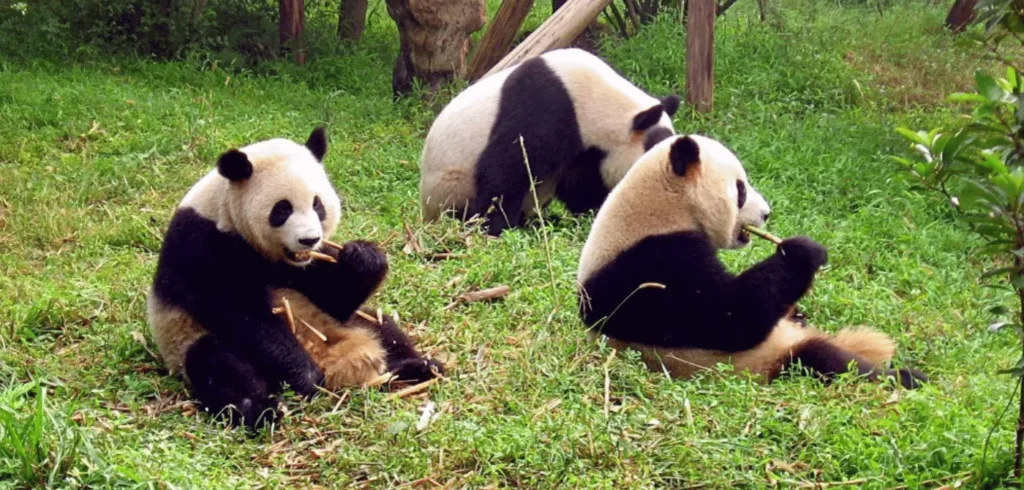
China panda diplomacy has long been a symbol of goodwill and soft power. However, recent developments involving giant pandas in Japan suggest the strategy may also create political and public relations challenges for Beijing.
On January 27, Japan said goodbye to its last two giant pandas, Xiao Xiao and Lei Lei, as they were returned to China. Their departure marked the first time since 1972 that Japan has no pandas. That year was significant because it marked the normalization of diplomatic ties between Tokyo and Beijing.
The recall of the pandas comes at a time of rising tensions between the two countries, prompting renewed discussion about the role of panda diplomacy in China Japan relations.
What Is China Panda Diplomacy
China panda diplomacy refers to the practice of gifting or loaning giant pandas to foreign countries as a gesture of goodwill and cooperation. The tradition dates back centuries. Historical records show that during the Tang Dynasty, Empress Wu Zetian sent two bears to Japan.
Modern panda diplomacy began in the 1970s as China reopened diplomatic relations with several major economies. In 1972, China gifted pandas to the United States and Japan. France received pandas in 1973, followed by the United Kingdom in 1974.
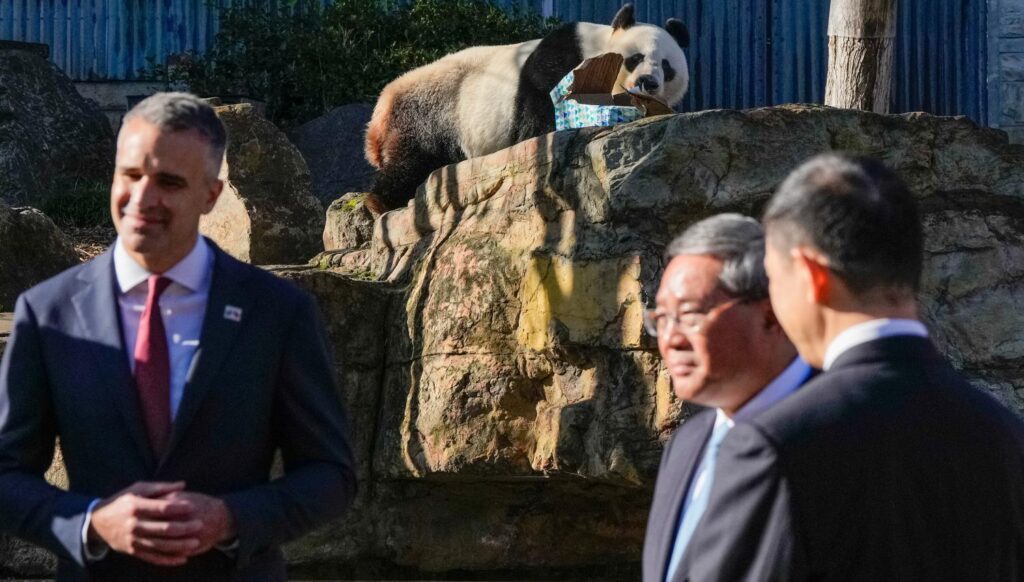
Due to declining wild panda populations, China stopped gifting pandas in 1984. Instead, pandas were loaned to foreign zoos under long term agreements, often lasting up to 15 years. Host countries typically pay up to one million US dollars annually in conservation fees.
At its peak in 2019, 21 countries and territories outside mainland China hosted pandas. That number has since dropped to 16.
Visitors gather at Ueno Zoo in Tokyo to see giant pandas Xiao Xiao and Lei Lei before their return to China
Japan Pandas Return Amid Rising Political Tensions
The return of Xiao Xiao and Lei Lei from Ueno Zoo came earlier than expected. The Tokyo metropolitan government had been negotiating to extend their stay or secure new pandas. However, talks were paused following political friction.
In November, Japan Prime Minister Sanae Takaichi stated that Japan could respond militarily if China attacked Taiwan. The comments drew criticism from Beijing and intensified diplomatic strain.
Soon after, China announced the early recall of Japan last two pandas. While no official link was publicly confirmed, the timing fueled speculation that panda diplomacy had become entangled with political disagreements.
Domestic Sentiment and National Pride
Giant pandas hold deep emotional significance in China. They are widely viewed as national treasures and symbols of national pride. Because of this, the treatment of pandas abroad can spark strong reactions among Chinese citizens.
In 2023, the death of panda Le Le at Memphis Zoo in the United States triggered online debate. Photos of another panda, Ya Ya, appearing thin and unwell circulated on Chinese social media. Some users accused the zoo of mishandling the animals and criticized Chinese authorities for allowing the situation.
Although Chinese officials stated that the pandas were well cared for, public backlash remained strong. Ya Ya was later returned to China, and her stay was not extended.
These incidents show how panda diplomacy can expose Beijing to criticism at home, especially when nationalist sentiment is high.
Panda Diplomacy as Soft Power
Despite controversies, panda diplomacy continues to demonstrate its effectiveness as a soft power tool. When it was announced that Xiao Xiao and Lei Lei would return to China, around 178,000 visitors flocked to Ueno Zoo within a month to see them one last time.
Due to overwhelming demand, the zoo limited panda viewing to 4,800 visitors per day, with each visitor allowed only one minute. The response highlighted the emotional connection many people feel toward giant pandas.
This public enthusiasm underscores why pandas remain powerful cultural ambassadors for China.
Conservation and Ethical Questions
China panda diplomacy has also faced criticism from conservationists and animal welfare advocates. Critics argue that pandas are sometimes used as diplomatic tools rather than being prioritized purely for conservation.
While host zoos contribute millions of dollars in annual conservation fees, the giant panda remains classified as vulnerable by the International Union for Conservation of Nature.
This raises questions about whether panda diplomacy significantly advances global conservation goals or primarily serves diplomatic interests.
A Delicate Diplomatic Strategy
China panda diplomacy represents a complex balancing act. On one hand, it strengthens international relationships and boosts China global image. On the other, it carries risks when political disputes arise or when concerns about animal welfare gain attention.
The early return of Japan pandas illustrates these limits. As China navigates rising geopolitical tensions, decisions about where and how to deploy panda diplomacy may become more cautious.
For now, giant pandas remain a powerful symbol of China soft power. Yet their role in international politics shows that even the most beloved cultural icons are not immune to the pressures of global diplomacy.
Algeria and Nigeria Set for AFCON Quarterfinal Showdown Algeria and Nigeria meet in the AFCON 2025 quarterfinal at Marrakesh Stadium, Morocco, on Saturday at 5pm […]


 0
0
 0
0