


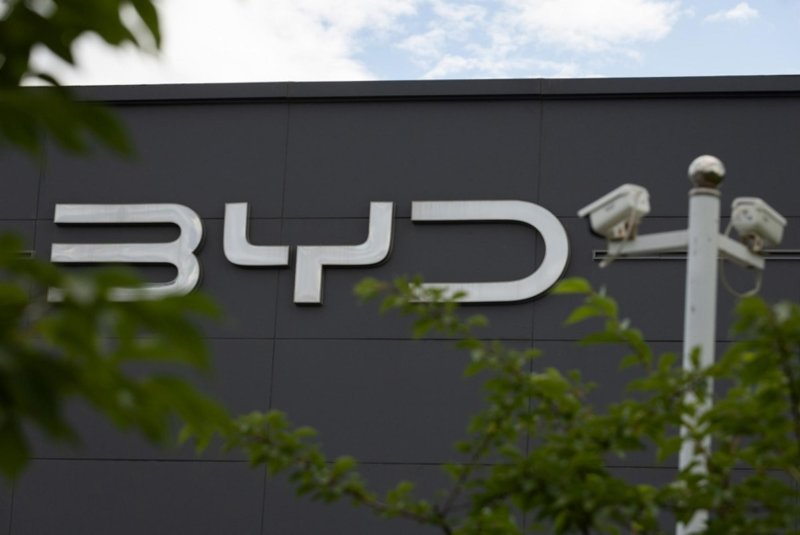
China export controls on US defense companies became a major development in ongoing trade and security tensions between Beijing and Washington after Chinese authorities announced new restrictions affecting several American defense-related firms.
The measures, announced by China’s Ministry of Commerce, place 10 U.S. defense companies on an export control list, limiting their access to certain Chinese-origin products and technologies. The decision comes amid a broader dispute between the world’s two largest economies over national security, military cooperation, and strategic technologies.
The latest move reflects the continuing exchange of restrictions and countermeasures between both countries as concerns grow over defense supply chains, advanced technology, and international trade.

China Places 10 U.S. Companies on Export Control List
Chinese authorities confirmed that 10 American defense-related companies have been added to the country’s export control list.
Under the new rules, Chinese exporters are prohibited from supplying designated dual-use items to these firms. Dual-use products are goods, software, or technologies that can serve both civilian and military purposes.
The companies named in the announcement include:
- AVEOX
- Red Cat Holdings
- Teal Drones
- IMSAR
- Jaia Robotics
- Ball Aerospace and Technologies
- Oshkosh Defense
- L3Harris Maritime Services
- MP Materials
- USA Rare Earth
The restrictions took effect immediately following the announcement.
What the New Export Restrictions Mean
The China export controls on US defense companies primarily target the transfer of dual-use technologies and materials.
According to the official statement, Chinese organizations and exporters must immediately stop supplying affected entities with controlled products. The restrictions also extend beyond China itself.
Any individual or organization in other countries is prohibited from transferring Chinese-origin dual-use products to the listed companies without authorization.
Understanding Dual-Use Technologies
Dual-use items are products that have both commercial and military applications.
Examples may include:
- Drone technologies
- Robotics systems
- Navigation equipment
- Advanced software
- Communication technologies
- Specialized industrial materials
Many of these products are considered strategically important because they can contribute to defense and national security capabilities.
Immediate Impact on Supply Chains
The restrictions could affect supply chains connected to defense manufacturing and advanced technology sectors.
Companies relying on Chinese-made components or materials may need to explore alternative suppliers. The impact will vary depending on each company’s exposure to Chinese-origin products and technologies.
Exceptions May Be Considered
While the restrictions are effective immediately, Chinese authorities indicated that exceptions may be reviewed in cases where exports are deemed genuinely necessary.
Such exemptions are typically evaluated through regulatory approval processes and are not automatically granted.
Additional Ban on Government Procurement Projects
Alongside the export controls, China’s Finance Ministry announced another significant measure.
A total of 46 U.S. companies have reportedly been barred from participating in Chinese government procurement projects. Many of the affected businesses are involved in defense, aerospace, and military-related industries.
The procurement restrictions add another layer to China’s response and further limit business opportunities for certain American firms within the Chinese market.
Major Defense Contractors Included
Among the companies reportedly affected by procurement restrictions are:
- Lockheed Martin
- Raytheon
- General Atomics
These firms have long-standing roles in U.S. defense programs and military technology development.

Difference Between Export Controls and Procurement Bans
Although related, the two measures serve different purposes.
Export controls focus on restricting access to Chinese products, technologies, and materials.
Procurement bans, on the other hand, prevent companies from participating in government purchasing projects within China.
Together, these actions increase regulatory barriers for affected firms.
Background Behind the Trade Restrictions
The China export controls on US defense companies did not emerge in isolation. They follow recent actions taken by the United States concerning Chinese businesses and alleged military connections.
Earlier in the month, the U.S. Department of Defense updated a list of Chinese companies that it believes have links to or support China’s military sector.
The Pentagon’s list is designed to identify firms that may contribute to military modernization efforts or provide strategic support to China’s defense capabilities.
Pentagon Expands Chinese Military-Linked Company List
Several major Chinese companies were added to the updated Pentagon list.
Among the firms included were:
- Alibaba Group
- Baidu
- BYD
The addition of these companies attracted significant international attention due to their prominence in technology, internet services, artificial intelligence, and electric vehicle manufacturing.
Effects of the Pentagon Designation
The Pentagon’s designation does not automatically prohibit all business activities involving the listed companies.
However, it can limit opportunities for direct Department of Defense contracts and may influence investment decisions, regulatory reviews, and government procurement considerations.
The updated list reinforced U.S. concerns regarding military-civil fusion policies and strategic technology development in China.
Growing U.S.-China Technology Competition
The latest restrictions are part of a broader pattern of economic and technological competition between the United States and China.
Over recent years, both countries have implemented measures affecting:
- Semiconductor technology
- Artificial intelligence
- Defense systems
- Rare earth materials
- Telecommunications equipment
- Advanced manufacturing
These sectors are viewed as critical to national security and future economic competitiveness.
Strategic Importance of Rare Earth Materials
Two companies included in China’s export control announcement, MP Materials and USA Rare Earth, operate within the rare earth industry.
Rare earth elements are essential components in numerous technologies, including:
- Defense systems
- Electric vehicles
- Wind turbines
- Consumer electronics
- Aerospace equipment
China remains a significant participant in the global rare earth supply chain, making access to these materials strategically important for many industries worldwide.
Impact on Future Trade Relations
Analysts continue to monitor how the latest restrictions may influence future economic relations between Beijing and Washington.
While both governments maintain extensive commercial ties, disputes involving technology, national security, and industrial policy have become increasingly common.
Additional regulatory measures from either side could further reshape global supply chains and investment strategies in the coming years.
International Implications of the New Measures
The China export controls on US defense companies may have implications beyond the two countries directly involved.
Because the restrictions apply to Chinese-origin dual-use products regardless of location, international suppliers and business partners may need to review compliance requirements carefully.
Companies operating across multiple jurisdictions often face complex regulatory obligations when trade controls involve strategically sensitive goods.
As global supply chains remain interconnected, decisions made by major economic powers can have effects across industries and regions worldwide.

FAQ
Why did China place export controls on U.S. defense companies?
China said the restrictions are part of its export control framework and were introduced following U.S. actions involving Chinese companies alleged to have links to the Chinese military sector.
Which companies are affected by China’s export control list?
The listed companies include AVEOX, Red Cat Holdings, Teal Drones, IMSAR, Jaia Robotics, Ball Aerospace and Technologies, Oshkosh Defense, L3Harris Maritime Services, MP Materials, and USA Rare Earth.
What are dual-use items under China’s export control rules?
Dual-use items are products, technologies, software, or materials that can be used for both civilian and military purposes, making them subject to stricter trade regulations.
How could China export controls on U.S. defense companies affect global supply chains?
The restrictions may require affected businesses and their partners to seek alternative suppliers, adjust procurement strategies, and strengthen compliance procedures involving controlled technologies and materials.
China’s decision to expand restrictions on American defense-related firms marks another chapter in the evolving trade and security relationship between Beijing and Washington. With export controls, procurement bans, and technology-related regulations becoming increasingly common, businesses across multiple sectors will continue monitoring developments that could influence international trade, defense supply chains, and strategic industries worldwide.
Click here for more news


