


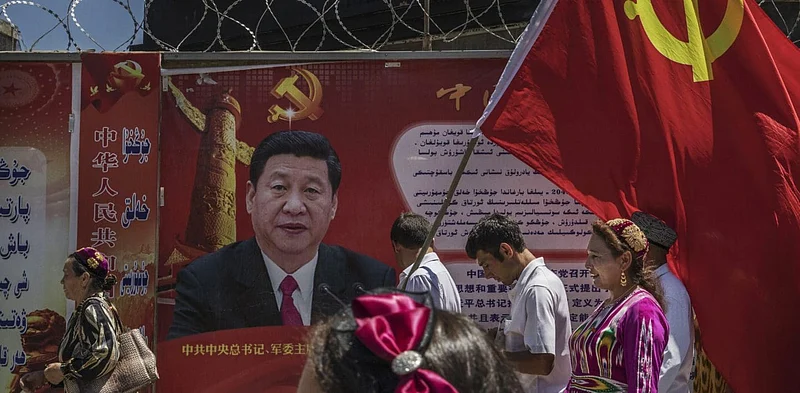
The China ethnic unity law criticism has intensified globally after a new Chinese legislation aimed at promoting “ethnic unity and progress” officially came into effect. The law, introduced by Beijing, seeks to strengthen Mandarin as the national language and promote a unified national identity across China’s diverse ethnic groups. However, it has triggered strong reactions from human rights organizations, international bodies, and governments who fear it could weaken minority cultural rights and expand state control beyond China’s borders.
Authorities in China argue the law is intended to improve social cohesion, prevent separatism, and strengthen national security. Critics, however, believe it may deepen cultural assimilation policies and extend political influence over diaspora communities abroad.

Overview of China’s Ethnic Unity Law
Purpose of the New Legislation
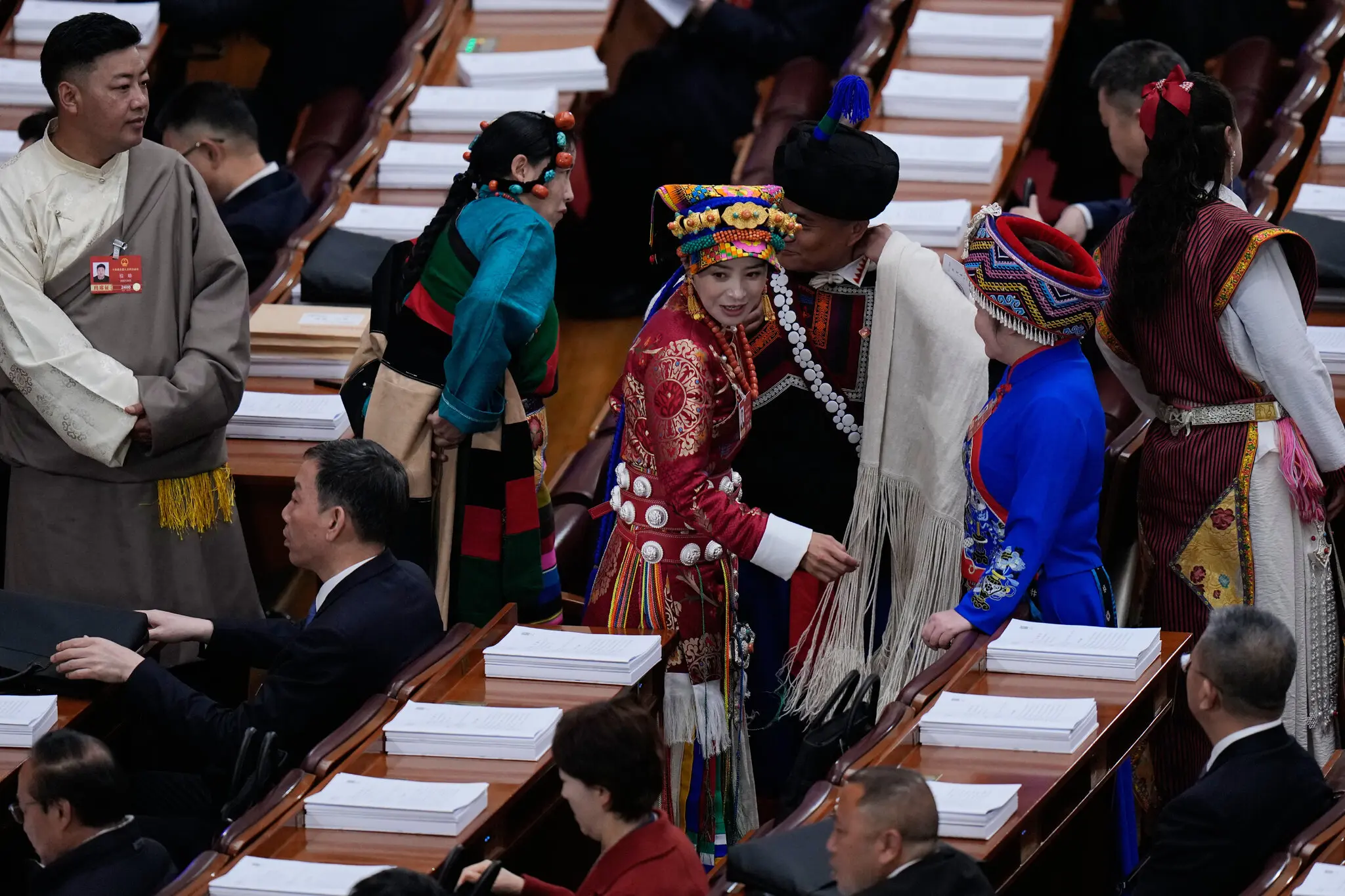
The newly enacted Law on Promoting Ethnic Unity and Progress is designed to reinforce national unity by standardizing language use and identity policies.
Key stated objectives include:
- Strengthening Mandarin as the official language
- Enhancing national unity among ethnic groups
- Preventing separatism and terrorism
- Promoting what authorities describe as “social cohesion”
The China ethnic unity law criticism debate has emerged largely due to concerns about how these objectives may be implemented in practice.
Government Position on the Law
Chinese officials maintain that the law is necessary for maintaining stability and addressing actions that could undermine ethnic unity.
A senior judicial official stated that the law would help address illegal activities affecting national harmony. Additionally, Vice Minister of Justice Hu Weilie defended its provisions, including those related to overseas enforcement, calling them legitimate and necessary.
International Reaction and Human Rights Concerns
Warnings From Rights Organizations
Human rights groups have raised significant concerns about the potential impact of the law on minority populations.
Amnesty International’s Position
Amnesty International has strongly criticized the legislation, warning that it could:
- Pressure ethnic minorities to adopt a state-defined identity
- Limit cultural and linguistic freedoms
- Increase ideological alignment with the ruling party
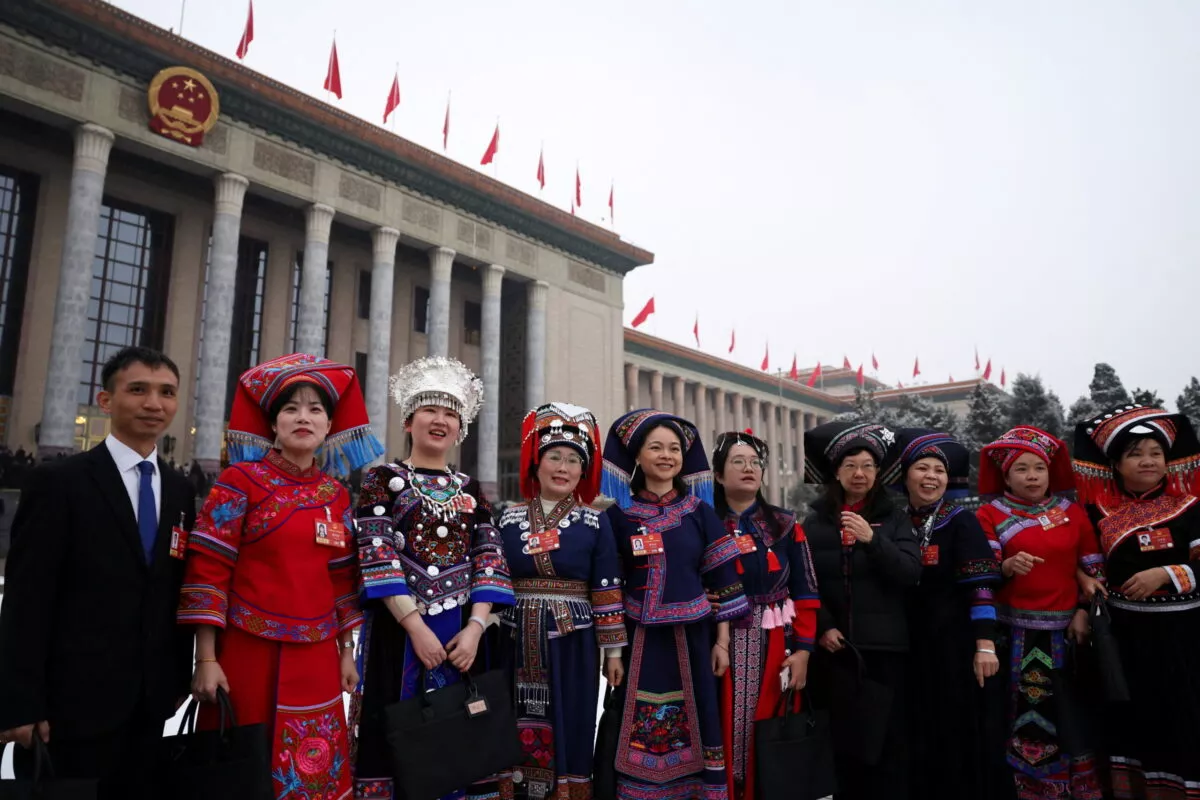
The organization argues that communities such as Uyghurs and Tibetans may face increased pressure to conform to a unified cultural model rooted in Han Chinese identity.
The China ethnic unity law criticism has therefore become a central issue in global human rights discussions.
Concerns About Cultural Assimilation
Critics argue the law could accelerate cultural assimilation by reducing space for minority languages and traditions.
Concerns include:
- Reduced use of minority languages in education and public life
- Increased emphasis on Mandarin in all official communication
- Pressure on ethnic groups to adopt dominant cultural norms

Overseas Enforcement and Global Concerns
Expanding Legal Reach Beyond Borders
One of the most controversial aspects of the law is its potential application beyond China’s borders.
What the Law Allows
According to reports, the legislation includes provisions that may allow Chinese authorities to address actions abroad that are considered harmful to ethnic unity.
This has raised concerns among:
- International human rights groups
- Foreign governments
- Legal experts studying transnational governance
The China ethnic unity law criticism has grown stronger due to fears of expanded surveillance and influence over diaspora communities.
Concerns About Dissident Communities
Critics argue that overseas enforcement mechanisms could be used to monitor or pressure individuals living outside China who express dissenting views.
These concerns have led to increased scrutiny from international policymakers.
Response From Taiwan, UN, and US Lawmakers
Diplomatic and Political Reactions
Several international actors have publicly expressed concern over the law.
Taiwan’s Response
Taiwan has criticized the legislation, warning that it could be used to assert political influence over Chinese-speaking populations beyond mainland China.
United Nations Concerns
United Nations representatives have raised questions about the compatibility of the law with international human rights standards.
US Lawmakers’ Position
Some US policymakers have also voiced concern, particularly regarding:
- Potential transnational repression
- Restrictions on cultural freedom
- Impacts on diaspora communities
The China ethnic unity law criticism has thus become a broader geopolitical issue involving multiple global stakeholders.
China’s Position on Minority Policies
Government Defense of Ethnic Policy
Chinese authorities consistently reject allegations of discrimination or persecution against ethnic minorities.
They maintain that:
- All ethnic groups benefit from development policies
- Security measures are necessary for stability
- Economic growth has improved living standards across regions
Officials argue that the law is intended to strengthen unity rather than suppress diversity.
Ongoing Debate Over Policy Interpretation
Despite official statements, interpretation of the law remains contested internationally, particularly regarding its impact on cultural rights and political freedoms.
Impact on Ethnic Minorities
Concerns Over Uyghur and Tibetan Communities
Rights groups have repeatedly highlighted concerns about how such laws may affect:
- Uyghur populations in Xinjiang
- Tibetan cultural and religious communities
- Smaller ethnic minority groups across China
Cultural and Language Issues
The key concern is whether minority languages and traditions will continue to be preserved under increased emphasis on Mandarin.
Identity and Cultural Preservation
Experts warn that long-term policy direction could influence how ethnic identity is defined and expressed within China’s borders.
Broader Implications for International Law
Transnational Governance Concerns
Legal experts say the law raises important questions about:
- Sovereignty and jurisdiction
- Cross-border legal enforcement
- Protection of diaspora rights
These concerns contribute to the growing China ethnic unity law criticism in international legal discussions.
Human Rights Framework Debate
The legislation has also sparked debate over how national unity laws align with global human rights frameworks, particularly regarding cultural freedom and minority protection.
Conclusion
The introduction of China’s ethnic unity law has triggered widespread international debate, with supporters emphasizing national cohesion while critics warn of cultural suppression and expanded state influence beyond borders. As the China ethnic unity law criticism continues to grow, the global community remains divided over how such policies should be interpreted within the context of sovereignty, human rights, and cultural preservation.
FAQ
What is China’s ethnic unity law about?
The law aims to promote national unity by strengthening Mandarin and encouraging a shared national identity across ethnic groups in China.

Why is the China ethnic unity law criticized internationally?
It is criticized for potentially limiting minority cultural freedoms and expanding state influence over diaspora communities.
Does the law affect ethnic minorities in China?
Critics say it may pressure minorities like Uyghurs and Tibetans to adopt a unified cultural identity centered on Mandarin and Han traditions.
What are concerns about the law’s overseas reach?
Some provisions are believed to allow enforcement actions beyond China’s borders, raising fears of transnational repression.
Conclusion
The law continues to generate global debate, balancing China’s stated goal of unity with international concerns about cultural rights and political freedoms.
Click here for more news


