



China Congo Ebola travel warning outbreak has drawn global attention after China’s Foreign Ministry urged its citizens to avoid non-essential travel to the Democratic Republic of Congo due to a rapidly spreading Ebola outbreak. The warning comes as health authorities struggle to contain infections across parts of Central Africa.
The outbreak has already led to more than 220 reported deaths, prompting the World Health Organization (WHO) to raise its alert level and classify the situation as a very high global health risk.
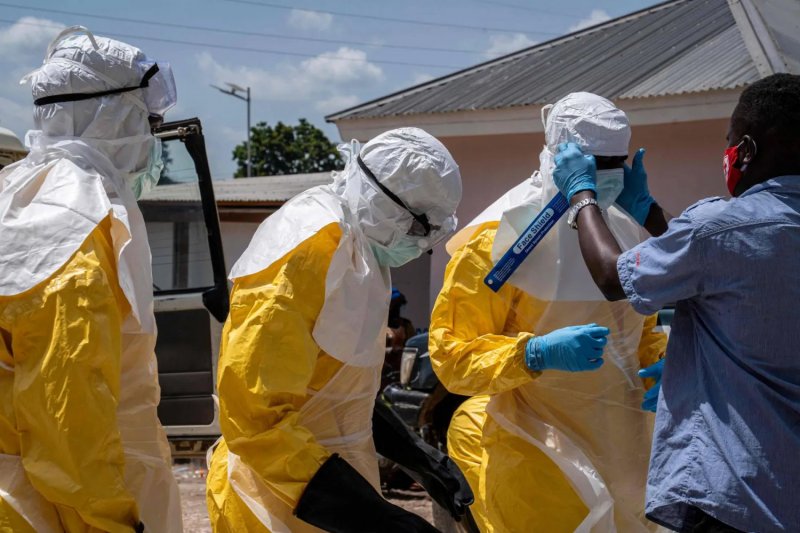

China Issues Official Travel Advisory Over Ebola Risk
The China Congo Ebola travel warning outbreak began after Chinese authorities issued a public advisory urging citizens to postpone non-essential trips to affected regions in the Democratic Republic of Congo.
Areas Identified as High Risk
The advisory specifically highlighted regions experiencing significant infection spread.
Affected provinces include:
- Ituri Province
- North Kivu Province
Chinese authorities warned that these areas remain highly unsafe due to ongoing transmission of the virus.
Guidance for Chinese Citizens in Affected Regions
The Foreign Ministry also issued safety instructions for nationals already in Congo or nearby countries.
Key recommendations include:
- Avoid contact with wild animals
- Stay away from suspected Ebola patients
- Seek immediate medical attention if symptoms appear
- Contact Chinese medical teams when necessary
Symptoms flagged include:
- Fever
- Vomiting
- Diarrhea
- Internal or external bleeding
The China Congo Ebola travel warning outbreak emphasizes that early treatment is critical for survival.
Ebola Outbreak Situation Worsens in Congo
Health officials report that the Ebola outbreak continues to spread across parts of the Democratic Republic of Congo despite containment efforts.
Rising Case Numbers and Fatalities
According to health data cited by the World Health Organization:
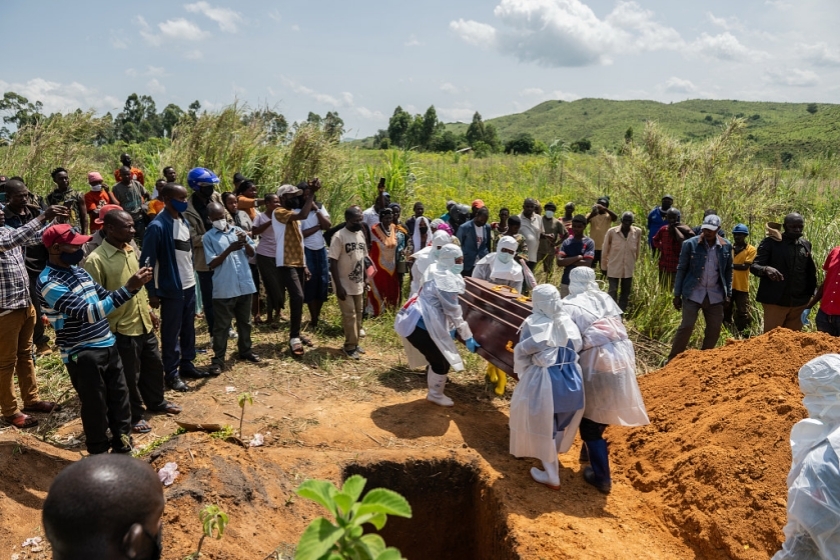

Current outbreak figures include:
- Over 1,077 suspected cases
- 121 confirmed infections
- At least 220 deaths reported in total cases (suspected and confirmed)
The rapid increase in cases has raised concerns about the ability of local health systems to respond effectively.
WHO Raises Global Risk Alert Level
The World Health Organization has classified the outbreak as a very high-risk public health emergency.
This classification reflects:
- High transmission potential
- Limited healthcare capacity in affected regions
- Risk of cross-border spread
The China Congo Ebola travel warning outbreak highlights growing international concern over containment challenges.
Government and Health Response Measures
Authorities in Congo and neighboring countries are taking steps to slow the spread of the virus.
Public Health Response in Congo
Local health agencies are working with international partners to:
- Identify and isolate infected individuals
- Trace contacts of confirmed cases
- Provide medical treatment and support
- Educate communities on prevention measures
International Health Support
Global organizations, including the WHO, are assisting with:
- Emergency response coordination
- Medical supply distribution
- Surveillance systems
- Training for healthcare workers
Regional Travel Restrictions and Border Controls
Countries surrounding the Democratic Republic of Congo have begun tightening border measures in response to the outbreak.
Increased Screening at Borders
Neighboring nations have introduced enhanced screening procedures to reduce cross-border transmission risks.
Measures include:
- Temperature checks at entry points
- Health questionnaires for travelers
- Monitoring of suspected cases
- Temporary travel restrictions in high-risk zones
Concerns Over Cross-Border Spread
Health experts warn that Ebola can spread quickly across borders if not properly contained, especially in regions with limited infrastructure.
The China Congo Ebola travel warning outbreak reflects wider fears of regional transmission affecting multiple Central African countries.
Understanding the Ebola Virus Threat
Ebola is a severe and often fatal illness in humans, transmitted through direct contact with infected bodily fluids or contaminated materials.
Symptoms and Transmission
Common symptoms include:
- High fever
- Severe weakness
- Vomiting and diarrhea
- Unexplained bleeding
How the Virus Spreads
Ebola spreads through:
- Direct contact with infected individuals
- Contact with contaminated objects
- Exposure to infected animals
Importance of Early Treatment
Medical experts emphasize that early detection and treatment significantly improve survival rates.
Global Concerns Over Outbreak Containment
The ongoing outbreak has raised concerns about global preparedness for infectious disease emergencies.
Challenges in Containing Ebola
Some of the key challenges include:
- Remote and hard-to-reach affected areas
- Limited healthcare infrastructure
- Delayed reporting of cases
- Public misinformation
International Cooperation Needed
Health experts stress the importance of global cooperation in:
- Funding emergency response efforts
- Strengthening healthcare systems
- Supporting vaccination campaigns
- Improving disease surveillance
Public Health Awareness and Prevention Efforts
Authorities continue to promote awareness campaigns aimed at reducing infection risk.
Preventive Measures Recommended
People in affected regions are advised to:
- Avoid physical contact with symptomatic individuals
- Practice proper hygiene and sanitation
- Report suspected cases immediately
- Follow official health guidelines
The China Congo Ebola travel warning outbreak underscores the importance of public awareness in controlling infectious diseases.

FAQ
Why did China issue a travel warning for Congo?
China issued the warning due to a worsening Ebola outbreak that has caused over 220 deaths and poses a high health risk.
How many Ebola cases have been reported in Congo?
Authorities report over 1,077 suspected cases and more than 120 confirmed infections.
What is the WHO’s response to the Ebola outbreak?
The WHO has raised the alert level to very high and is supporting containment and response efforts.
How does Ebola spread?
Ebola spreads through direct contact with infected bodily fluids, contaminated objects, or infected animals.
Conclusion
The China Congo Ebola travel warning outbreak highlights the seriousness of the ongoing health crisis in the Democratic Republic of Congo. With rising infections, international travel advisories, and heightened global concern, authorities and health organizations continue working to contain the spread and prevent further escalation. The situation remains closely monitored as efforts intensify to protect both local and international populations.
Click herefor more news


