 0
0
 0
0
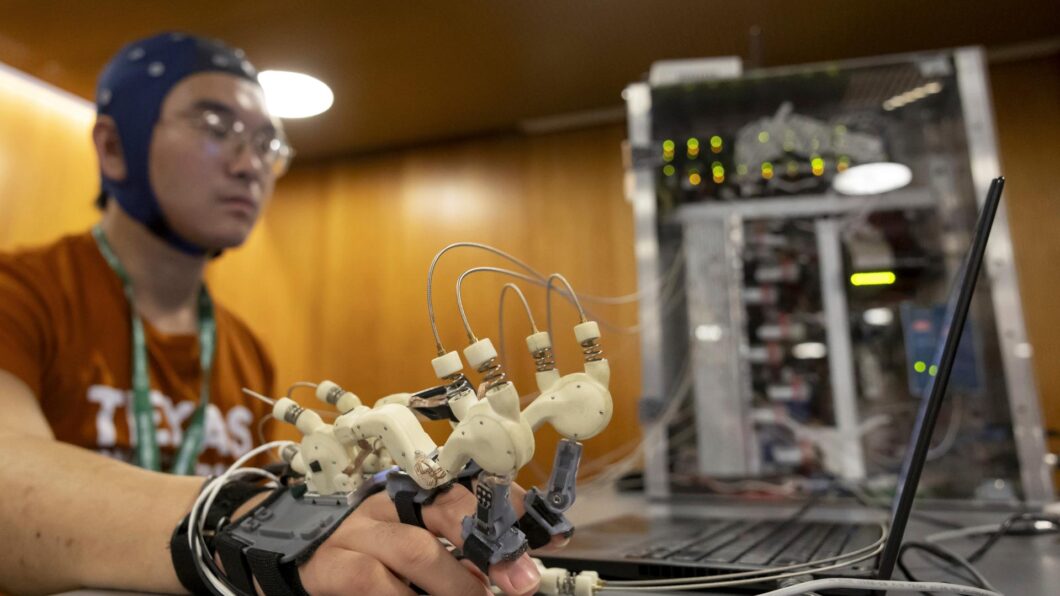
China Brain Computer Interfaces are rapidly emerging as a major force in the global neurotechnology sector, as government backed companies accelerate efforts to compete with Western innovators such as Elon Musk’s Neuralink. With strategic national support and clear development targets, Beijing has signaled that brain computer interface technology will play a critical role in the country’s future scientific and economic ambitions.
Recent developments show that Chinese startups are not only entering the field but making measurable progress. The race to develop advanced neural implants and mind controlled systems is now firmly global, with China positioning itself as a serious contender.
China Declares Brain Computer Interfaces a Strategic Priority
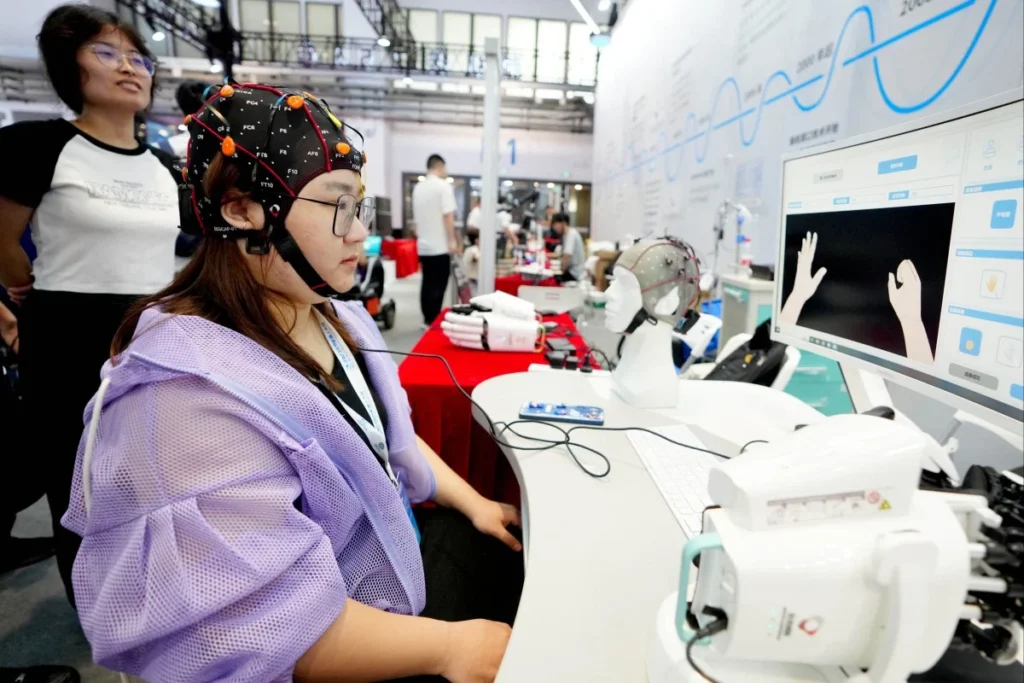
In 2025, the Chinese government officially designated brain computer interface technology as strategically important. Authorities outlined plans to nurture two or three world class companies in the sector by 2030. This move places China Brain Computer Interfaces at the center of national innovation policy.
Brain computer interfaces, commonly known as BCIs, enable direct communication between the human brain and external devices. These systems can translate neural signals into commands that control computers, robotic limbs, or other digital tools. Governments and private firms worldwide see the technology as transformative for healthcare, defense, communication, and artificial intelligence integration.
China’s strategic push mirrors similar investments in artificial intelligence, semiconductor manufacturing, and robotics. By formally prioritizing China Brain Computer Interfaces, policymakers aim to reduce dependence on foreign technology and strengthen domestic innovation capabilities.
NeuroXess Shows Early Clinical Progress
One of the companies drawing attention in this space is Shanghai based NeuroXess. According to reporting by the Financial Times, the startup recently announced that a paralyzed patient was able to control a computer cursor within five days of receiving a brain implant.
This milestone suggests that China Brain Computer Interfaces are moving beyond laboratory experiments and entering clinical application stages. While the field remains experimental and long term outcomes are still being studied, the development demonstrates rapid technical progress.
NeuroXess operates with official support, reflecting Beijing’s commitment to accelerating domestic breakthroughs. Similar to how the government backed electric vehicle firms and telecommunications giants in earlier technology waves, the state is now fostering neurotechnology enterprises.
Competition With Neuralink and Western Firms
The global brain computer interface race has largely been associated with Elon Musk’s company Neuralink. Based in the United States, Neuralink has conducted human trials aimed at restoring movement and communication for people with severe neurological conditions.
China Brain Computer Interfaces now aim to rival or potentially surpass Western efforts. The competition reflects broader geopolitical tensions in advanced technologies, where countries are racing to secure leadership in next generation industries.
While Neuralink focuses heavily on medical rehabilitation, long term ambitions in the field extend to memory enhancement, cognitive augmentation, and human machine integration. Chinese firms are exploring similar possibilities, although detailed roadmaps vary by company.
The rapid evolution of both Chinese and American projects suggests that brain computer interfaces could become one of the defining technology frontiers of the next decade.
Ethical and Regulatory Questions
As China Brain Computer Interfaces develop, global experts continue to debate ethical implications. In an April 2025 in depth analysis for World Politics Review, political analyst Roland Benedikter examined the need for international regulation of neurotechnology.
Benedikter argued that one of the most important regulatory tasks is ensuring that human creativity and autonomy remain protected as neurotechnology advances. He emphasized the importance of preserving human agency in a world where machines may increasingly interact directly with the brain.
These concerns are not limited to China. Governments worldwide face questions about privacy, consent, data security, and potential misuse. Brain computer interfaces generate deeply personal neural data, raising concerns about surveillance and control if strict safeguards are not established.
China Brain Computer Interfaces will likely operate within domestic regulatory frameworks that differ from Western standards. This divergence could shape how the technology evolves across regions.
For more on global policy debates, visit our World News section.
Medical Potential of Brain Computer Interfaces
Beyond geopolitical competition, the primary near term promise of China Brain Computer Interfaces lies in healthcare. BCIs offer hope for patients with paralysis, spinal cord injuries, or neurodegenerative diseases.
By translating brain signals into digital commands, these systems can help patients regain mobility or communication abilities. The reported case involving NeuroXess suggests that implantation can produce relatively fast functional outcomes, though long term safety and effectiveness remain under review.
If scaled successfully, China Brain Computer Interfaces could expand access to neurorehabilitation tools across Asia and beyond. China’s large population also provides a substantial patient base for clinical research, which may accelerate data collection and product refinement.
Investment and Innovation Ecosystem
China’s technology ecosystem has matured significantly over the past decade. With strong venture capital networks, state research institutes, and partnerships between universities and industry, the country has built a pipeline capable of supporting complex research initiatives.
Brain computer interfaces require interdisciplinary collaboration among neuroscientists, engineers, data scientists, and medical professionals. China Brain Computer Interfaces benefit from government backed laboratories and national research programs designed to promote cross sector innovation.
The goal of developing two or three world class companies by 2030 reflects a focused strategy. Rather than dispersing resources across numerous startups, policymakers appear intent on concentrating investment in scalable enterprises.
Global Implications of the Neurotechnology Race
The expansion of China Brain Computer Interfaces could reshape the global technology landscape. As with artificial intelligence and 5G infrastructure, leadership in neurotechnology may influence economic competitiveness and national security.
Countries that pioneer safe and effective BCIs could gain advantages in healthcare innovation, robotics integration, and advanced computing. However, rapid progress without international coordination may also increase risks related to misuse or uneven regulatory standards.
Global cooperation may become essential to establish shared norms governing data protection, clinical testing, and ethical boundaries. Without such coordination, the neurotechnology race could intensify geopolitical divides.
Looking Ahead to 2030
With clear government targets set for 2030, China Brain Computer Interfaces are poised for accelerated development in the coming years. The coming decade will determine whether Chinese firms can achieve parity with or surpass Western competitors.
Progress will depend on clinical trial outcomes, regulatory approvals, public acceptance, and continued investment. Breakthroughs in signal processing, implant safety, and device miniaturization will also shape success.
As the field evolves, ongoing monitoring of ethical standards and patient outcomes will remain crucial. The balance between innovation and responsibility will define the long term impact of brain computer interface technology worldwide.
For more news, please visit our homepage