


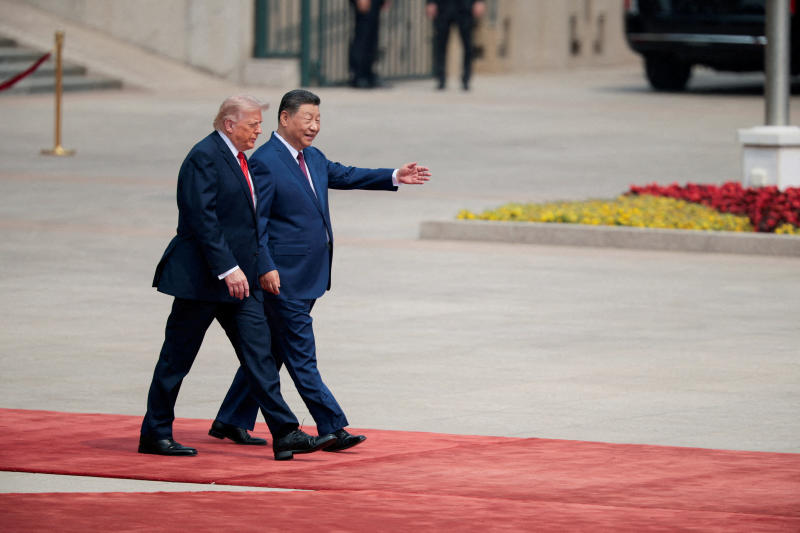
The China Boeing jet purchase agreement moved into focus after Chinese officials confirmed plans to buy 200 Boeing aircraft while also seeking an extension of an existing tariff truce with the United States. The announcement came shortly after discussions involving senior officials from both countries and signals continued cooperation between two of the world’s largest economies despite ongoing trade tensions.
China’s Commerce Ministry released the confirmation on Wednesday, marking the first official acknowledgment of the Boeing order after earlier reports and speculation surrounding potential aviation deals between the two nations.
The agreement is expected to influence the aviation industry, international trade discussions, and manufacturing supply chains tied to the aerospace sector.

China Confirms Boeing Aircraft Order
Chinese authorities stated that the country intends to purchase 200 Boeing aircraft as part of broader trade and economic discussions with the United States.
The confirmation follows previous reports suggesting that China was considering large-scale aircraft purchases amid efforts to stabilize economic ties with Washington.
According to statements linked to the summit discussions, the deal could eventually expand beyond the initial figure.
Possible Expansion Beyond 200 Jets
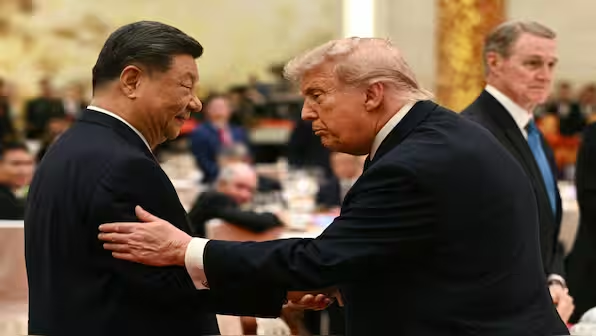
US President Donald Trump stated after the Beijing summit that the number of aircraft involved could increase significantly in the future.
He indicated that total purchases could potentially reach as many as 750 planes depending on future negotiations and airline demand.
If expanded, the agreement could become one of the largest aircraft purchase arrangements involving China and Boeing in recent years.
Aircraft Engine Supply Details
Trump also noted that the aircraft would use engines produced by GE Aerospace.
This detail highlights the broader industrial impact of the agreement because large aviation contracts often support multiple sectors, including:
- Aircraft manufacturing
- Engine production
- Aviation technology
- Maintenance services
- Supply chain operations
The inclusion of GE Aerospace engines could provide additional business opportunities for US aerospace manufacturers connected to Boeing’s production network.
Trade Truce Extension Remains a Key Goal
Alongside the aviation deal, China said it would seek an extension of the current tariff truce with the United States.
The tariff agreement was originally reached in Kuala Lumpur last year as part of efforts to reduce trade tensions between the two countries.
The move suggests that both sides may be attempting to avoid a renewed escalation in tariffs while maintaining stable economic relations.
Background of the US-China Tariff Truce
Trade disputes between China and the United States have affected multiple industries over the past several years.
Tariffs introduced during earlier trade conflicts impacted sectors such as:
- Technology
- Manufacturing
- Agriculture
- Automotive production
- Aerospace
The Kuala Lumpur agreement temporarily reduced pressure by pausing additional tariff measures and encouraging continued dialogue.
China’s latest statement indicates that extending this arrangement remains an important priority.
Why the Tariff Truce Matters
The extension of the tariff truce could have significant economic implications for global markets.
Analysts often view tariff stability as important for businesses involved in international trade because sudden policy changes can disrupt supply chains and increase costs.
For the aviation sector specifically, lower trade barriers may help facilitate smoother aircraft transactions and related manufacturing operations.
The China Boeing jet purchase agreement may therefore serve both commercial and diplomatic purposes.
Boeing’s Position in the Chinese Market
China represents one of the world’s largest aviation markets, making aircraft sales there particularly valuable for global manufacturers.
Boeing has historically maintained a strong presence in the country, although trade disputes and regulatory challenges have occasionally affected deliveries and orders.
China’s Growing Aviation Demand
The demand for commercial aircraft in China continues to increase as domestic and international air travel expands.
Several factors contribute to this growth:
- Rising middle-class travel demand
- Expansion of regional airline networks
- Increasing international tourism
- Fleet modernization plans
- Economic development in major cities
Large aircraft purchases are often tied to long-term projections for passenger growth and airline expansion.
Boeing and Airbus Competition
Boeing competes closely with Airbus in the global aviation market.
China has purchased aircraft from both manufacturers over the years, balancing fleet requirements across different airlines and routes.
Industry experts note that major aircraft deals are frequently influenced by broader diplomatic and economic relationships in addition to commercial considerations.
The confirmation of the China Boeing jet purchase agreement could strengthen Boeing’s position in the region after periods of uncertainty.

Economic Impact of the Boeing Jet Purchase
Large aviation contracts typically create ripple effects across several industries.
The proposed Boeing order may support employment and industrial activity tied to aircraft production in the United States.
Manufacturing and Supply Chain Effects
Aircraft manufacturing depends on a wide network of suppliers and contractors.
These include companies involved in:
- Engine manufacturing
- Aircraft parts production
- Electronics systems
- Aviation materials
- Maintenance support
Because Boeing aircraft involve components from multiple suppliers, large orders can influence economic activity beyond the aerospace company itself.
Potential Benefits for Global Aviation
The aviation industry continues to recover from previous disruptions linked to global economic uncertainty and travel slowdowns.
Major aircraft purchases may encourage:
- Airline fleet renewal
- Increased manufacturing activity
- Expanded aviation infrastructure
- Growth in maintenance operations
The agreement could also contribute to stronger business confidence within the global aerospace sector.
International Reactions and Market Attention
Financial markets and aviation analysts closely monitor developments involving US-China trade relations because both countries play major roles in the global economy.
The aircraft deal and tariff discussions have already attracted attention from investors and industry observers.
Investor Interest in Boeing Shares
Boeing’s stock performance often reacts to major aircraft orders and international agreements.
Announcements involving large purchase commitments can influence investor sentiment because aircraft deals usually represent long-term revenue opportunities.
At the same time, market analysts continue to watch broader geopolitical developments that could affect implementation timelines.
Diplomatic Significance of the Agreement
The China Boeing jet purchase agreement may also carry diplomatic significance.
Trade agreements involving high-value industries sometimes serve as indicators of improving communication between governments.
While tensions between the United States and China remain in several areas, continued negotiations on tariffs and commercial partnerships suggest that both countries remain engaged in economic discussions.
Timeline of Recent Developments
Several events led to the current announcement involving Boeing aircraft purchases and trade talks.
Key Recent Events
- Kuala Lumpur tariff truce agreement reached last year
- Continued trade discussions between US and Chinese officials
- Reports of possible Boeing aircraft purchases
- Beijing summit discussions involving economic cooperation
- China’s official confirmation of the 200-plane order
The timeline reflects ongoing efforts to manage trade relations while maintaining commercial partnerships.

What Happens Next?
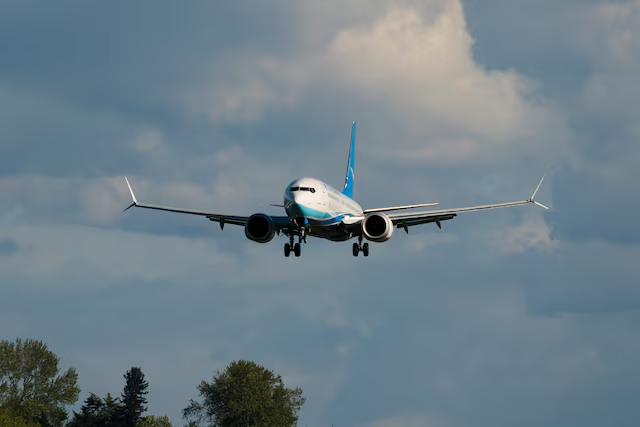
The next phase will likely involve detailed negotiations concerning delivery schedules, financing arrangements, and potential expansion of the order.
Industry experts will also monitor whether tariff discussions progress toward a longer-term agreement.
If additional aircraft purchases are finalized, the overall scale of the deal could increase substantially over time.
The China Boeing jet purchase agreement may therefore represent only the beginning of broader aviation and trade cooperation between the two countries.
FAQ
Why is the China Boeing jet purchase agreement important?
The agreement is important because it involves a large aircraft purchase tied to broader US-China trade discussions. It may affect aviation markets, manufacturing jobs, and tariff negotiations.
How many Boeing planes will China buy initially?
China confirmed plans to purchase 200 Boeing aircraft. However, officials indicated the total could potentially rise in the future.
What is the US-China tariff truce extension?
The tariff truce is a temporary agreement designed to reduce trade tensions between the United States and China by limiting additional tariff increases while negotiations continue.
Which companies could benefit from the Boeing aircraft order?
Boeing, GE Aerospace, aircraft suppliers, aviation maintenance companies, and manufacturing firms connected to the aerospace industry could benefit from the agreement.
The China Boeing jet purchase agreement highlights the ongoing economic relationship between the United States and China despite continued trade challenges. The aircraft purchase and tariff discussions reflect efforts by both countries to maintain commercial cooperation while addressing broader economic issues. Industry observers will continue monitoring developments as negotiations and implementation plans move forward.
Click here for more news


