 0
0
 0
0
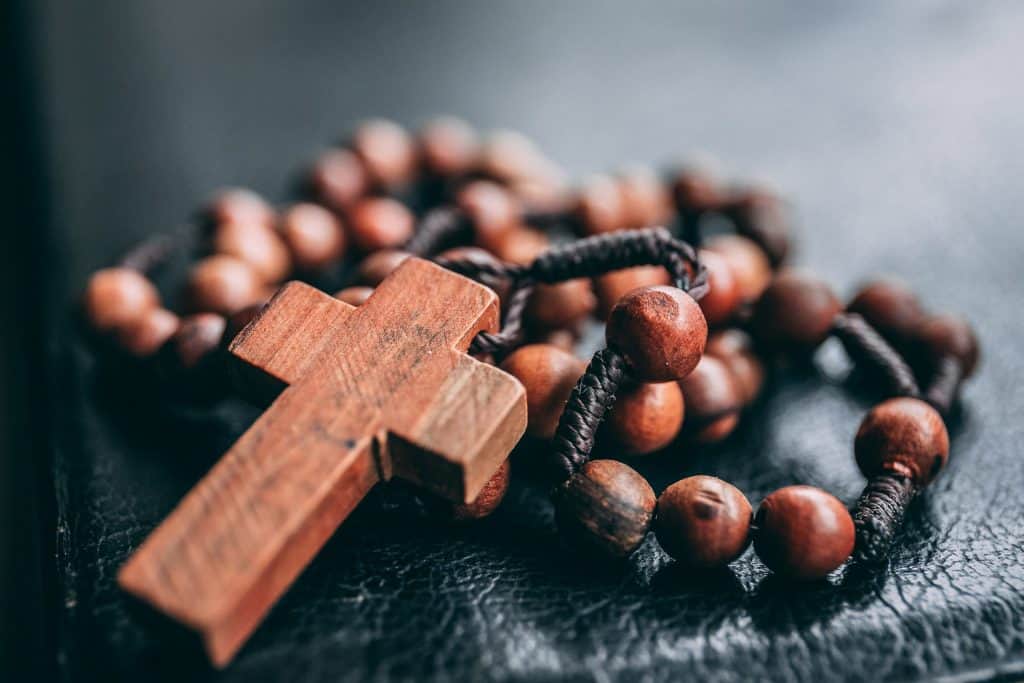
Catholics in Ireland are increasingly encountering public criticism for visible expressions of religious faith, reflecting broader cultural and social changes within the country. Ireland, once closely associated with Catholic tradition and identity, has undergone rapid transformation over recent decades as secular values have become more prominent in public life.
This shift has sparked debate about tolerance, freedom of expression, and the place of religion in modern Irish society. While Ireland officially promotes diversity and inclusion, some observers argue that public displays of traditional Christian faith now attract scrutiny or ridicule in ways that were previously uncommon.
From Religious Identity to Secular Public Culture
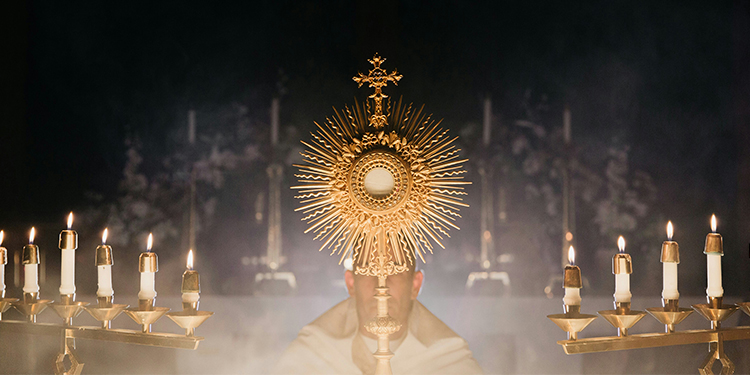
For much of the twentieth century, Ireland’s social institutions were deeply influenced by Catholic teaching. Churches played central roles in education, healthcare, and community life. In recent years, however, legislative changes and evolving social norms have reshaped the national identity.
Ireland has adopted policies that emphasize secular governance and individual rights, reflecting similar trends across Europe. These developments have coincided with a decline in religious observance, particularly among younger generations, and a growing distance between personal faith and public expression.
Ash Wednesday Incident Highlights Cultural Tension
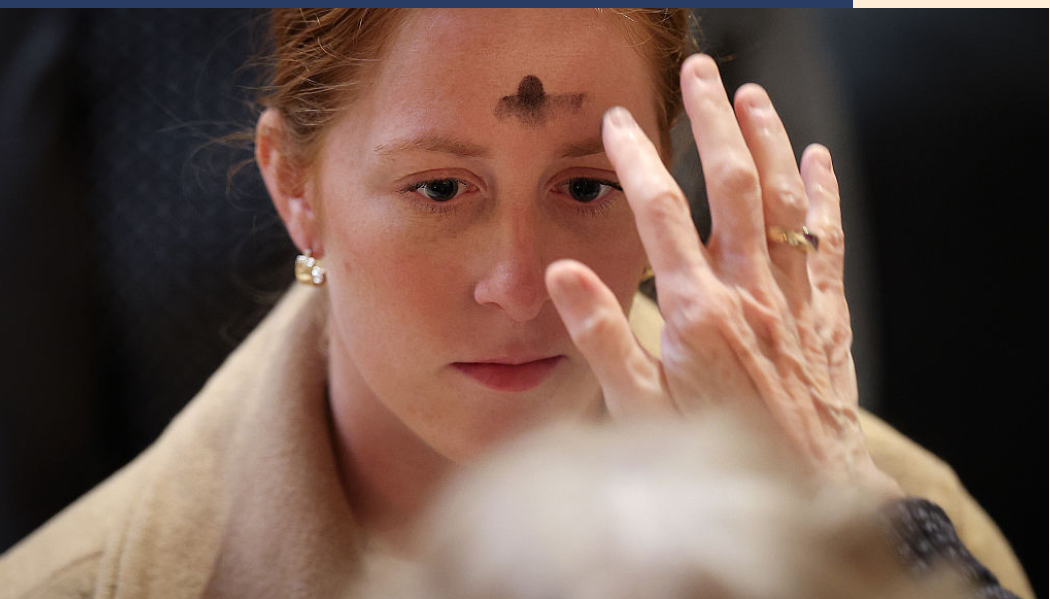
Public discussion intensified following online reactions to a senior editor at The Irish Independent, Fionnán Sheahan, who appeared in a televised interview wearing an ash cross on Ash Wednesday. The symbol, traditionally representing humility and reflection, prompted significant commentary across social media platforms.
Supporters viewed the criticism as an example of diminishing tolerance toward Christian symbols, while others argued that public figures should expect scrutiny regardless of belief. The episode became a focal point for wider conversations about whether expressions of Christianity receive equal respect in increasingly secular environments.
Broader European Context and Religious Decline
The experience of Catholics in Ireland mirrors trends seen in many European countries where church attendance has declined steadily. Demographic studies show that religious affiliation is changing across urban centers, with fewer citizens participating in regular worship.
At the same time, Europe continues to debate how to balance freedom of religion with secular public space. These discussions are often influenced by broader demographic shifts, migration patterns, and evolving interpretations of cultural identity.
Concerns About Global Christian Communities
Some commentators also link Ireland’s internal debates to what they describe as limited public awareness in Europe of challenges faced by Christian communities in parts of Nigeria, Pakistan, and other regions where religious minorities face insecurity.
While international attention often focuses on major geopolitical conflicts, analysts note that violence against religious communities in parts of Africa and Asia receives comparatively less coverage in European media.
Ireland’s Historical Relationship With Faith
Ireland’s history shows that religious institutions played a role in preserving cultural identity during periods of political and economic hardship. Schools, hospitals, and social services were often founded and sustained by religious orders, shaping generations of Irish citizens.
In the modern era, reassessment of institutional power and past failures has contributed to a reevaluation of religion’s role in society. This reassessment continues to influence how Catholics in Ireland are perceived when faith is expressed publicly.
Ongoing Debate About Identity and Tolerance
Today, Ireland stands at a crossroads between tradition and transformation. Advocates of secularism emphasize equality, personal freedom, and separation of religion from state affairs. Others argue that true pluralism includes respect for religious expression alongside non religious views.
As Ireland continues to redefine its cultural landscape, the experience of Catholics in Ireland serves as a case study in how societies manage change, memory, and identity in a rapidly evolving world.
For More News, please visit Blaqloaded Home Page