


The Cape Verde election results 2026 have signaled a major political shift as the African Party for the Independence of Cape Verde (PAICV) moved ahead in parliamentary elections, ending nearly a decade of rule by the Movement for Democracy (MpD).
Partial official results released after Sunday’s vote showed the PAICV leading the ruling party and positioning itself to form the next government in the island nation.
PAICV Takes Lead in Parliamentary Election
The Cape Verde election results 2026 indicate that voters backed a return of the PAICV after years in opposition.
Partial Results Show Clear Advantage
According to the National Election Commission:
- PAICV secured 46.7 percent of the vote
- MpD received 43.6 percent
- Results covered 98.2 percent of polling stations
The figures suggest PAICV could hold 37 seats in the 72-member National Assembly.
Ruling Party Concedes Defeat
Prime Minister Ulisses Correia e Silva acknowledged the outcome after the vote count showed his party trailing.
He admitted that the results did not meet the party’s expectations of retaining power and continuing its administration.
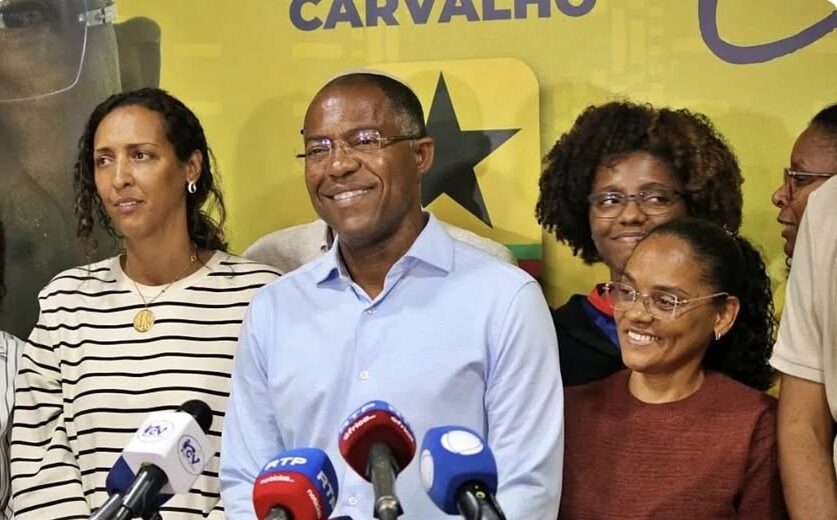

Francisco Carvalho Positioned to Become Prime Minister
The Cape Verde election results 2026 place PAICV leader Francisco Carvalho in a strong position to lead the country’s next government.
Carvalho’s Political Background
Francisco Carvalho currently serves as:
- Mayor of Praia, the capital city
- A leading figure within PAICV
- A politician entering his second mayoral term
Campaign Message Focused on Change
Following the vote, Carvalho described the outcome as:
- A call for political change
- A strong endorsement of his platform
- A sign that voters wanted a new direction for the country
End of a Decade of MpD Governance
The Cape Verde election results 2026 may officially end the MpD’s ten years in government.
MpD’s Time in Power
The Movement for Democracy has governed Cape Verde since 2016.
During its administration, the party focused on:
- Economic growth initiatives
- Tourism development
- Infrastructure projects
- Fiscal reforms
Longstanding Political Alternation
Cape Verde has historically experienced peaceful transfers of power between its two major political parties:
- The Movement for Democracy (MpD)
- The African Party for the Independence of Cape Verde (PAICV)
This pattern reflects the country’s stable democratic tradition.
Cape Verde’s Political System Explained
The Cape Verde election results 2026 also highlight the country’s hybrid political structure.
Presidential-Parliamentary System
Cape Verde operates under a mixed system where:
- The prime minister leads the government
- The president holds important constitutional powers
- Parliament selects the prime minister
Role of the President
President Jose Maria Neves, also a member of PAICV, retains powers including:
- Veto authority
- Mediation in political disputes
- Oversight responsibilities under the constitution
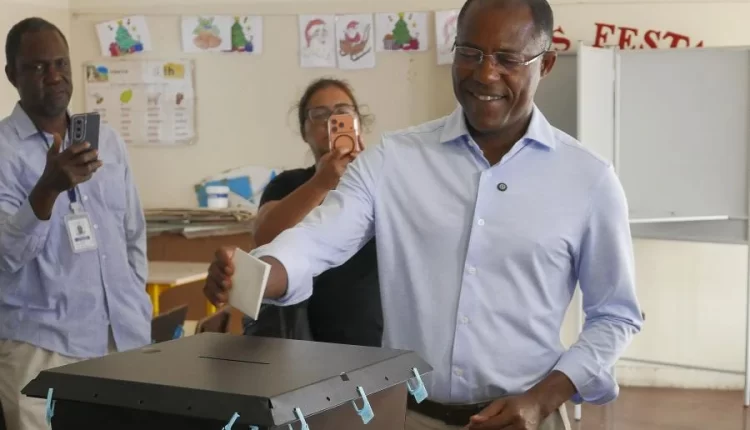

Potential Impact of the Election Outcome
The Cape Verde election results 2026 could shape the country’s political and economic direction over the coming years.
Expectations for the New Government
Observers expect the incoming administration to focus on:
- Economic diversification
- Job creation
- Public services
- Relations with international partners
Political Stability Remains Important
Cape Verde is often regarded as one of Africa’s more stable democracies, with peaceful elections and relatively strong institutions.
International Attention on Cape Verde Vote
The Cape Verde election results 2026 have attracted international attention due to the country’s democratic reputation in West Africa.
Strategic Importance of Cape Verde
The Atlantic island nation plays an important role in:
- Maritime trade routes
- Regional diplomacy
- Tourism in West Africa
Economic Challenges Ahead
The next government is expected to address issues including:
- Economic recovery
- Inflation pressures
- Employment opportunities
- Development funding
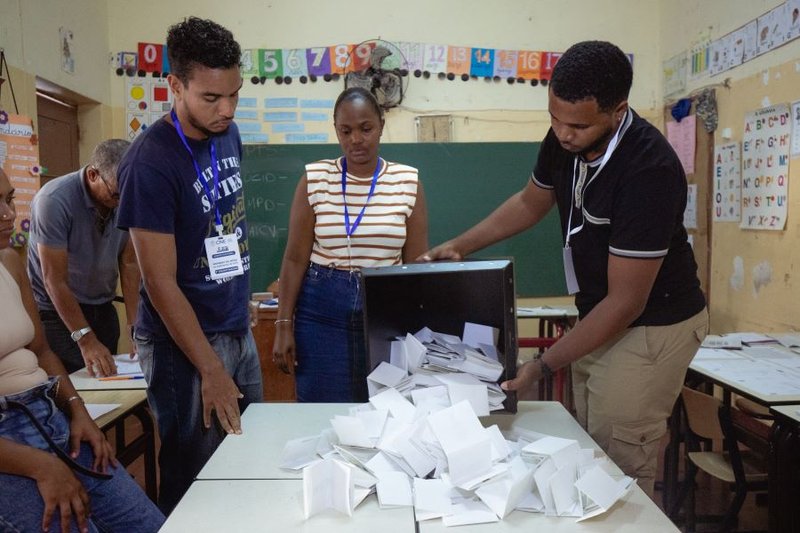

Final Seat Count Still Pending
Although the Cape Verde election results 2026 strongly favor PAICV, officials noted that counting was still ongoing.
Questions About Majority Control
Outgoing Prime Minister Correia e Silva said it remained unclear whether PAICV would secure:
- An outright parliamentary majority
- A need for coalition cooperation
Election Commission Continues Verification
Authorities are expected to finalize:
- Official seat distribution
- Certified vote totals
- Confirmation of government formation procedures
FAQ Section
Who won the Cape Verde parliamentary election?
Partial results show the PAICV leading the election ahead of the ruling MpD.
Who is Francisco Carvalho?
Francisco Carvalho is the leader of PAICV and the current mayor of Praia, Cape Verde’s capital.
How long has MpD been in power?
The Movement for Democracy has governed Cape Verde since 2016.
What political system does Cape Verde use?
Cape Verde uses a hybrid presidential-parliamentary political system.
Conclusion
The Cape Verde election results 2026 mark a significant political development as PAICV moves closer to returning to power after ten years in opposition. With Francisco Carvalho likely to become prime minister, the country now enters a new political phase while maintaining its long-standing tradition of democratic transition and peaceful elections.
PLEASE CLICK HERE FOR MORE NEWS


