 0
0
 0
0
The California avalanche Lake Tahoe disaster has left eight skiers dead, six survivors rescued, and one person still missing after a powerful snow slide struck near Castle Peak in the Sierra Nevada mountains. Authorities confirmed the operation has shifted from rescue to recovery, marking the deadliest avalanche in the United States in more than four decades.
Nevada County Sheriff Shannan Moon announced during a press briefing that families of the victims have been notified as search teams continue efforts under extremely hazardous conditions.
According to officials, this is the deadliest avalanche in the US since 1981, when 11 climbers were killed on Mount Rainier in Washington state.
Avalanche Struck During Severe Winter Storm
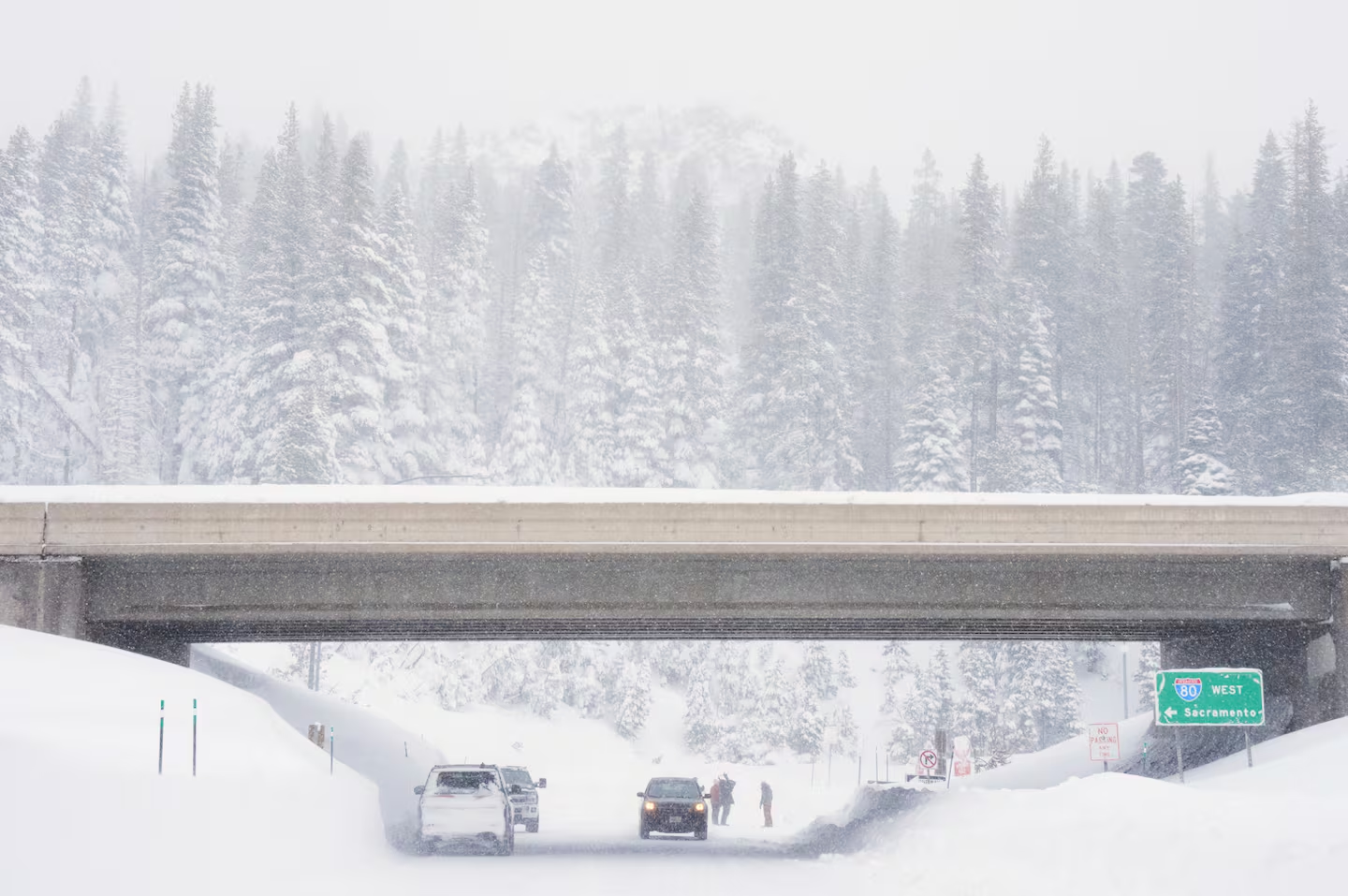
The California avalanche Lake Tahoe occurred Tuesday morning as a powerful winter storm brought heavy snowfall, strong winds, and unstable snowpack conditions across Northern California.
Search and rescue crews were dispatched to the Castle Peak area after a 911 call reported that 15 backcountry skiers had been buried. Emergency beacons also alerted authorities.
Six skiers were found alive after hours of searching. Two of the rescued individuals were transported to a hospital for treatment, according to Ashley Quadros of the Nevada County Sheriff’s Office.
Authorities later clarified that 15 skiers were on the expedition, correcting earlier reports that listed 16.
Treacherous Rescue Conditions
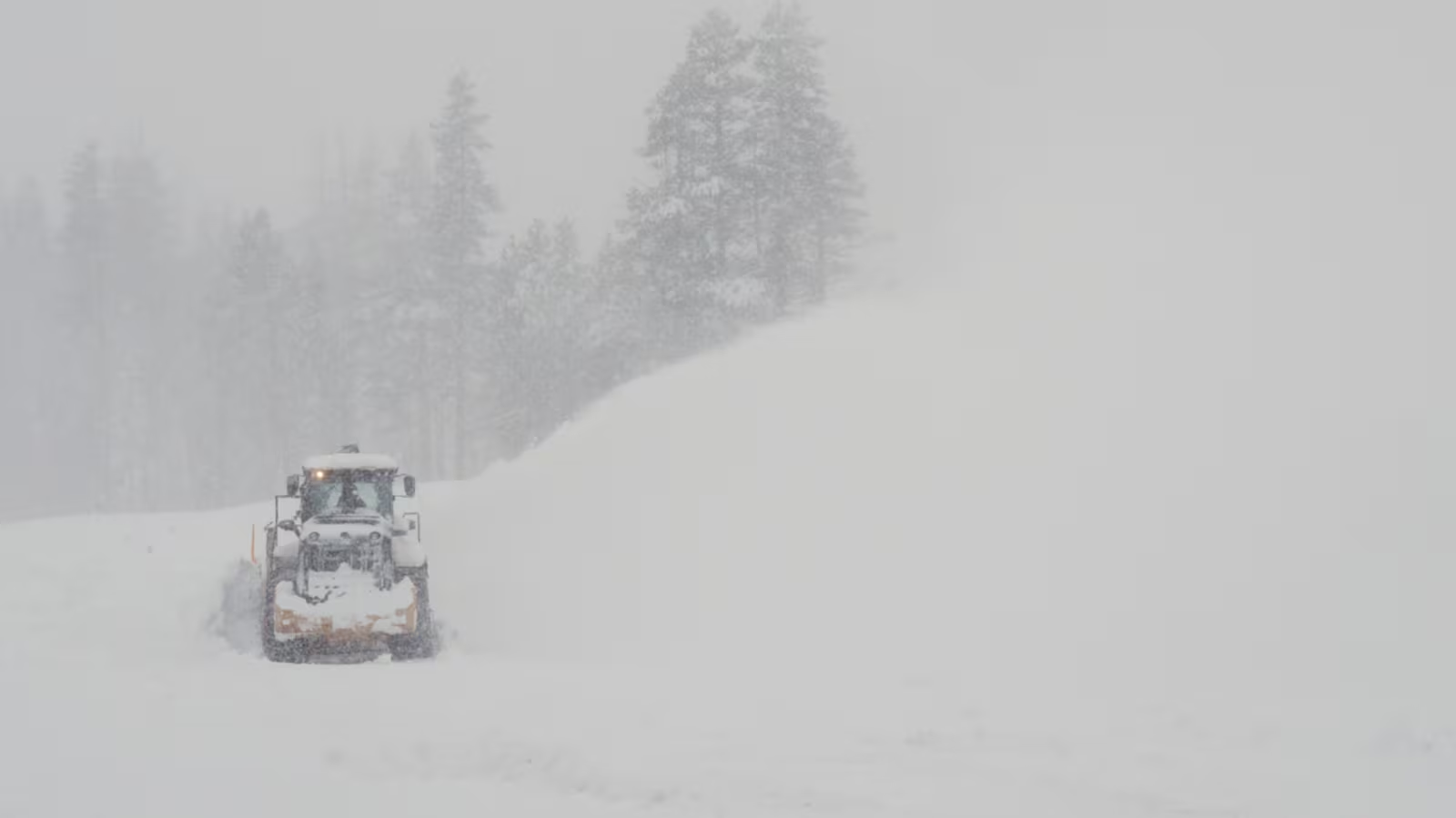
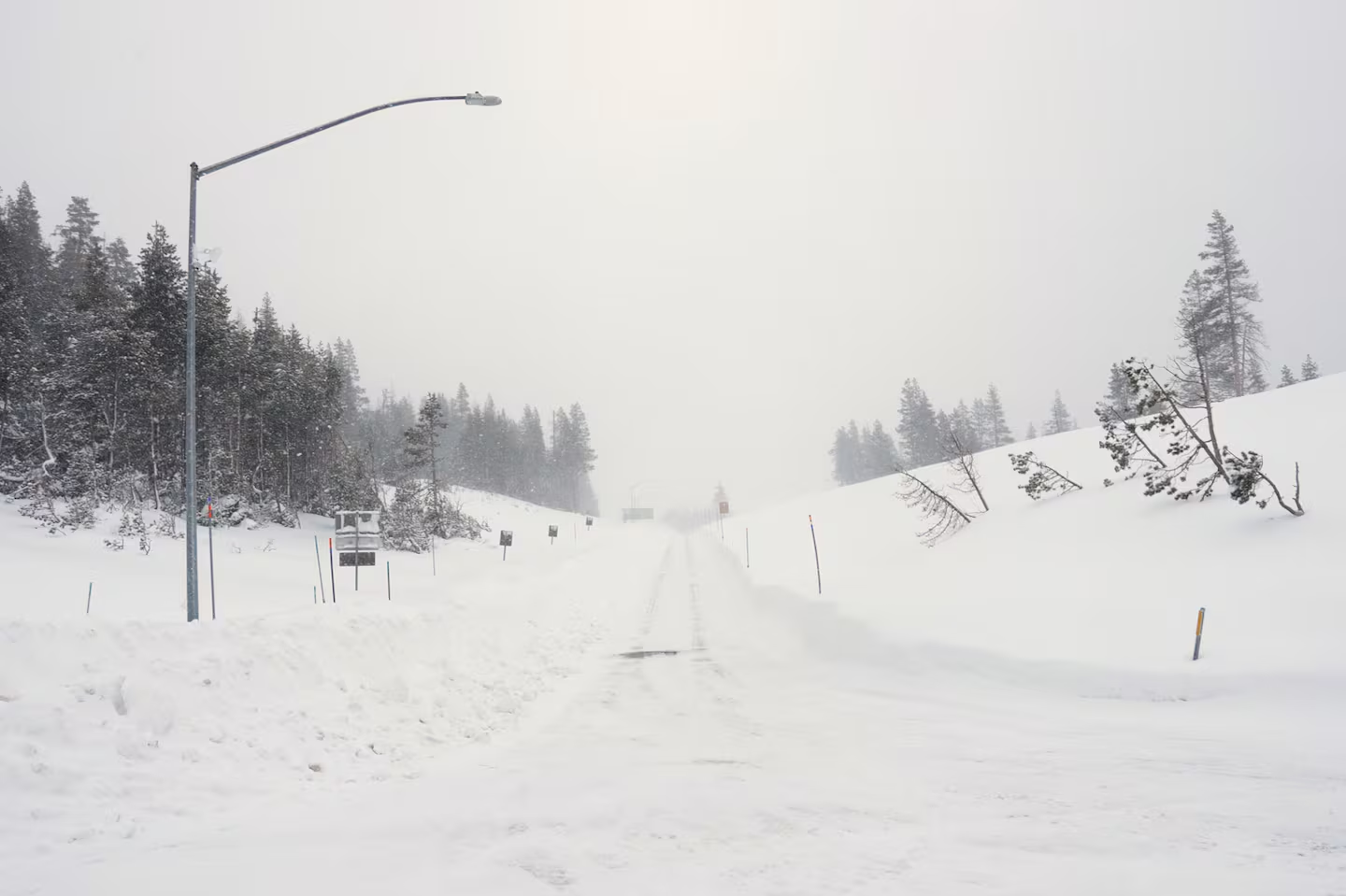
Heavy snow, poor visibility, and the risk of additional avalanches significantly slowed rescue efforts. The Sierra Avalanche Center had already warned that avalanche risk in the region remained high due to multiple feet of fresh snow combined with gale-force winds.
The center advised against travel in backcountry areas. You can review current avalanche safety guidance from the National Avalanche Center at
https://avalanche.org
The unstable snowpack created unpredictable conditions, making recovery operations dangerous for responders.
More snow is expected to fall in the coming days, further complicating efforts.
Backcountry Trek in High-Risk Terrain
The group had been on a three-day backcountry skiing trip in the Sierra Nevada. They were staying at huts near Frog Lake, owned by the Truckee Donner Land Trust.
The region near Donner Summit is one of the snowiest areas in the Western Hemisphere, receiving an average of nearly 35 feet of snow annually, according to the land trust’s official data:
https://www.truckeedonnerlandtrust.org
Accessing the huts during winter requires navigating rugged mountain terrain and carrying all food and supplies. The land trust notes that backcountry travel in the area demands avalanche training, safety equipment, and advanced skiing skills.
Steve Reynaud, an avalanche forecaster with the Sierra Avalanche Center, explained that reaching the huts in winter typically takes several hours under normal conditions.
Guided Expedition
Nevada County Sheriff Captain Russell Greene said authorities were alerted by Blackbird Mountain Guides, which was leading the expedition. Emergency beacons carried by the skiers also transmitted distress signals.
Blackbird Mountain Guides confirmed that the group, including four professional guides, was returning to the trailhead when the avalanche struck.
“Our thoughts are with the missing individuals, their families, and first responders in the field,” the company said in a statement, adding that it is cooperating fully with authorities.
Deadliest Avalanche in Decades
The California avalanche Lake Tahoe incident is now considered the deadliest avalanche in the United States since the Mount Rainier tragedy in 1981.
According to the National Avalanche Center, an average of 25 to 30 people die in avalanches across the US each winter. Statistics and annual reports can be found at
https://avalanche.org/statistics
While avalanche fatalities occur every year, mass-casualty events of this scale are rare.
In January, a separate avalanche in the region killed a snowmobiler, highlighting the ongoing danger in mountainous areas during heavy snowfall seasons.
Resorts vs. Backcountry Risk
Several ski resorts in the Lake Tahoe region had partially or fully closed due to severe weather. Unlike backcountry terrain, resorts typically use controlled explosions and protective barriers to reduce avalanche risk.
However, avalanche mitigation in open wilderness areas is limited. Backcountry skiers rely on training, route selection, and equipment such as avalanche beacons, probes, and shovels.
Authorities stressed that while guided trips reduce risk, they cannot eliminate it entirely, particularly during extreme weather events.
Historic and Geographic Context
The area near Donner Summit carries historical significance. It was closed to the public for nearly a century before the Truckee Donner Land Trust acquired Frog Lake in 2020 and reopened it for limited access.
Donner Summit is named after the Donner Party, pioneers who became trapped during the winter of 1846–47.
Today, the region attracts experienced backcountry enthusiasts due to its deep snowpack and rugged alpine terrain. However, experts say this same terrain increases avalanche exposure during severe storms.
Recovery Efforts Continue
With one skier still missing, recovery teams continue working under challenging weather conditions. Officials confirmed that heavy snowfall and avalanche threats are forcing crews to proceed cautiously.
Sheriff Moon emphasized that responder safety remains a priority while teams search for the final missing individual.
Authorities have not yet released the identities of the deceased pending family notification.
Avalanche Safety Warning
The California avalanche Lake Tahoe tragedy has renewed calls for backcountry safety awareness. Avalanche experts advise:
-
Checking avalanche forecasts before travel
-
Carrying rescue gear including beacon, shovel, and probe
-
Traveling with trained partners
-
Avoiding steep slopes after heavy snowfall
-
Monitoring wind conditions and snowpack stability
The Sierra Avalanche Center continues to issue daily forecasts for the region.
Key Facts About the California Avalanche Lake Tahoe
-
Eight skiers confirmed dead
-
One skier remains missing
-
Six survivors rescued, two hospitalized
-
Avalanche struck near Castle Peak
-
Deadliest US avalanche since 1981
-
Severe winter storm contributed to unstable snowpack
-
Recovery operation ongoing
The California avalanche Lake Tahoe disaster stands as a sobering reminder of the risks posed by extreme winter weather in mountainous regions. As recovery efforts continue, authorities urge the public to monitor avalanche warnings and avoid unnecessary backcountry travel during high-risk periods.
For More News, Please Visit Our Homepage