


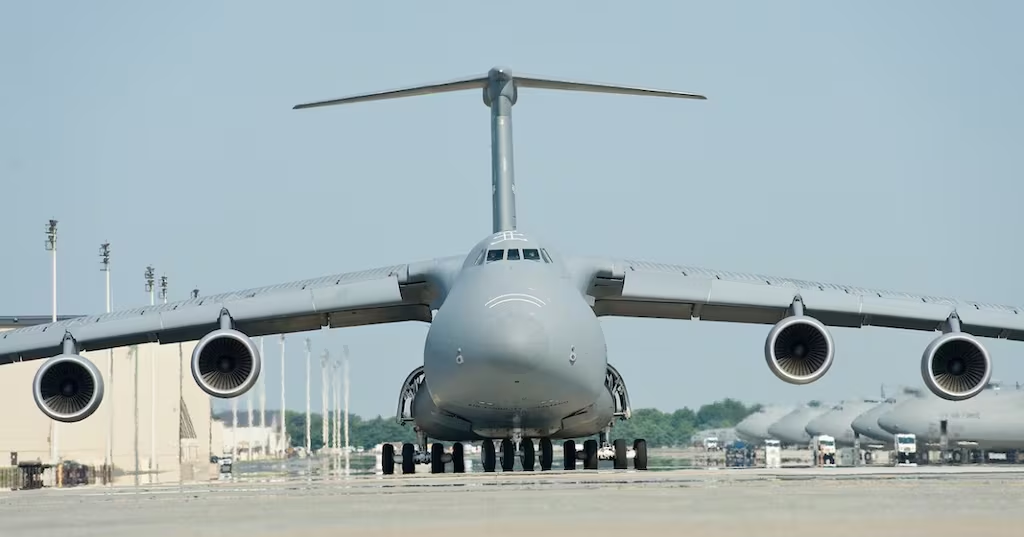
The C-5 Galaxy retirement timeline has officially been pushed further into the future as the United States Air Force now expects its massive C-5M Galaxy cargo aircraft to remain operational until 2050.
The updated timeline comes despite growing maintenance concerns and a mission-capable rate that has reportedly dropped to just 37 percent. According to newly released Air Force budget documents, the aging fleet will remain in service longer than originally planned while the military continues development of its future Next-Generation Airlift program.
The C-5 Galaxy retirement timeline highlights the Air Force’s ongoing struggle to balance aging aircraft maintenance with the need for future strategic airlift modernization.

Air Force Extends C-5 Galaxy Service Life
The Air Force previously expected the C-5M Galaxy fleet to retire around the mid-2040s, but new projections now place full retirement around Fiscal Year 2050.
That means some of the newest C-5 aircraft could remain active for more than 60 years before finally leaving service.
Oldest Aircraft Continue Flying
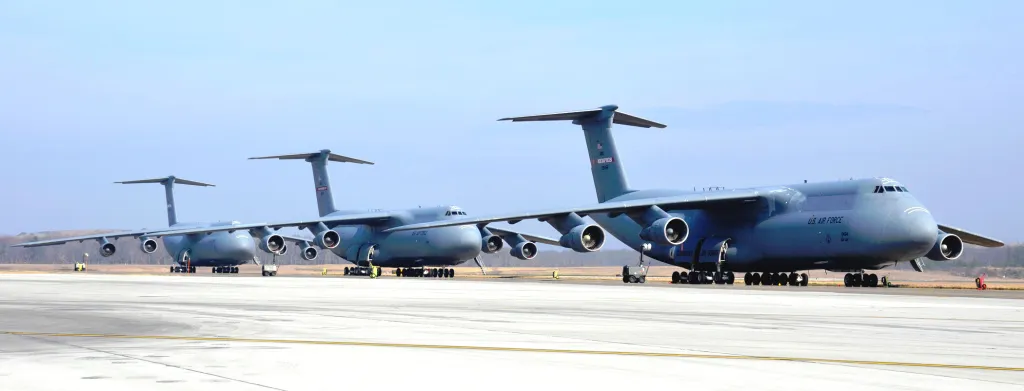
The C-5 fleet currently includes 52 upgraded C-5M aircraft, all converted from older C-5B and C-5C variants originally built decades ago.
Some of the aircraft date back to the 1980s, making them among the oldest large military transport aircraft still operating in frontline service.
The extended C-5 Galaxy retirement timeline reflects the lack of an immediate replacement capable of performing the same heavy-lift missions.
Next-Generation Airlift Program Delayed
The Air Force plans to replace both the C-5M Galaxy and the C-17 Globemaster III through its future Next-Generation Airlift program, commonly known as NGAL.
However, the project remains in early development stages.
Budget documents show the Air Force is continuing concept studies and analysis work before selecting the final aircraft design.
Readiness Rate Falls to 37 Percent
One of the biggest concerns surrounding the C-5 Galaxy retirement timeline is the aircraft’s declining readiness rate.
Air Force officials recently disclosed that the fleet’s mission-capable rate has dropped to just 37 percent.
That means fewer than half of the aircraft are consistently ready for operational missions at any given time.
Maintenance Challenges Continue
The C-5 Galaxy has long been known for maintenance difficulties and high operating costs.
Even after major modernization upgrades, the aircraft continues to require extensive repairs and maintenance support.
Military leaders have repeatedly acknowledged that sustaining the fleet has become increasingly expensive and complicated.
Air Force Leaders Express Concern
Former Air Mobility Command leader Gen. Michael Minihan previously described the readiness situation as a major concern.
According to him, operating such an important military capability below 50 percent readiness creates serious operational risks.
The low readiness figures have added urgency to discussions surrounding the future of strategic military airlift.

Why the C-5 Galaxy Remains Important
Despite its maintenance problems, the C-5 Galaxy continues to perform missions that few other aircraft in the world can handle.
The aircraft remains the largest transport plane currently used by the U.S. military.
Massive Cargo Capacity
One of the key strengths of the C-5 is its enormous cargo space and payload capacity.
The aircraft can transport oversized military equipment, helicopters, armored vehicles, satellites, and other specialized cargo.
Unlike many transport aircraft, the C-5 can load cargo from both the nose and tail simultaneously, improving loading speed and operational efficiency.
Strategic Military Operations Depend on C-5
The aircraft has remained heavily involved in military operations across the Middle East and other global regions.
Its ability to move extremely large payloads over long distances makes it essential for rapid military deployments and emergency logistics operations.
The extended C-5 Galaxy retirement timeline shows how critical the aircraft still is to American military planning.
Future NGAL Aircraft Still Unclear
The Air Force continues studying what its future strategic airlift aircraft should look like under the NGAL program.
Officials are currently evaluating different aircraft concepts, technologies, and operational requirements.
Possible Advanced Aircraft Designs
Several aerospace companies have proposed futuristic transport aircraft concepts in recent years.
These include:
- Blended wing body aircraft
- Stealth transport concepts
- Heavy cargo aircraft with improved fuel efficiency
- Advanced short-runway capable airlifters
Some designs could combine cargo transport and aerial refueling capabilities into a single platform.
Air Force Studying Operational Risks
Future airlift aircraft will also need to survive in more dangerous combat environments.
Military officials expect future threats to include advanced long-range missile systems capable of targeting large aircraft from great distances.
This creates pressure to design future transport aircraft with greater survivability and operational flexibility.

C-17 Fleet Will Remain Longer
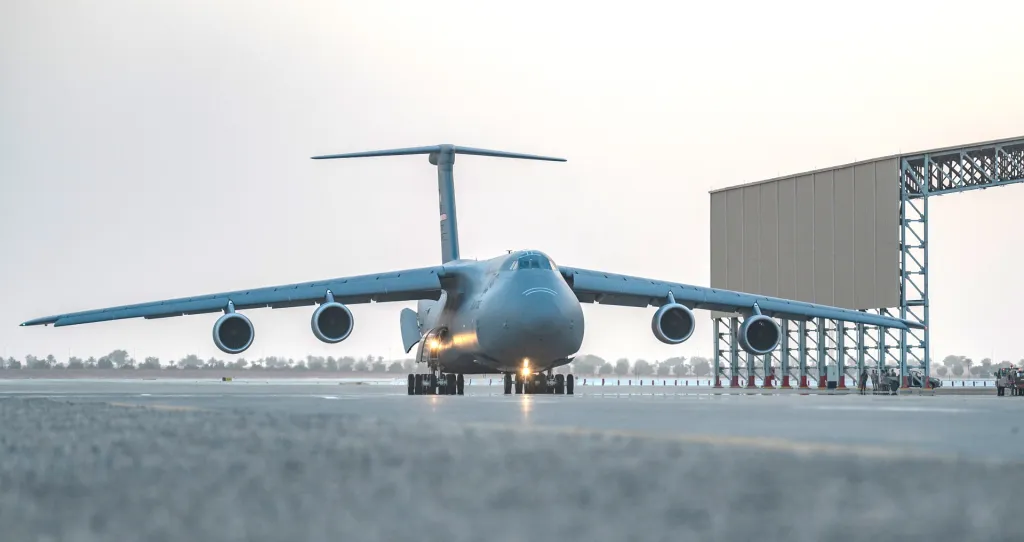
The Air Force also plans to keep its C-17 Globemaster III fleet operational for decades beyond the C-5.
Current projections show the C-17 fleet could remain active until around 2075.
C-17 Offers Different Capabilities
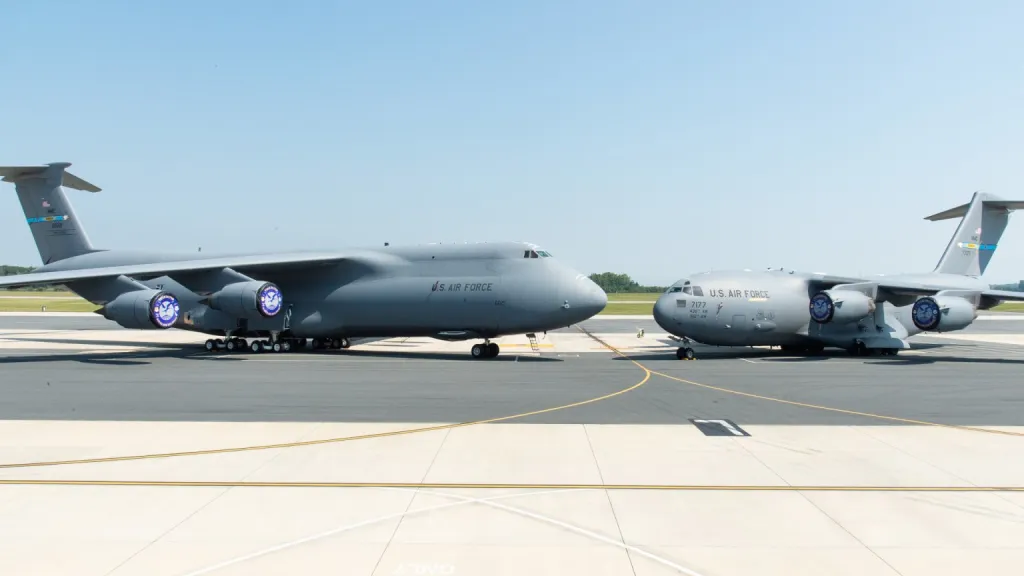
Although both aircraft perform strategic airlift missions, the C-17 and C-5 serve different operational roles.
The C-17 is designed for shorter and rougher runways, allowing it to transport troops and heavy equipment closer to combat zones.
The C-5 focuses more on moving oversized cargo over long distances.
No Aircraft Currently in Production
Neither the C-5 Galaxy nor the C-17 Globemaster III remains in production today.
This creates additional pressure on the Air Force to preserve and maintain the current fleets while replacement programs continue developing.
Future Airlift Modernization Faces Challenges
The Air Force continues investing in studies and concept development for both NGAL and future aerial refueling systems.
Officials are also evaluating how future tanker aircraft could potentially overlap with next-generation cargo transport programs.
Budget and Technology Questions Remain
Developing an entirely new heavy-lift aircraft program will require major financial investment and technological breakthroughs.
The Air Force must balance future modernization efforts while continuing to sustain older aircraft already under operational pressure.
The C-5 Galaxy retirement timeline may continue changing depending on future funding decisions and aircraft development progress.
Commercial Industry Concepts Being Explored
Some companies are also proposing commercial heavy cargo aircraft concepts that could support military airlift operations.
One example includes the Windrunner aircraft project, which aims to transport oversized cargo with high operational flexibility.
However, many of these concepts remain in early development stages.
FAQ
When will the C-5 Galaxy retire?
The U.S. Air Force now expects the C-5 Galaxy fleet to remain in service until around Fiscal Year 2050.
Why is the C-5 Galaxy still important?
The aircraft can carry extremely large and heavy cargo that many other military transport aircraft cannot handle.
What is the current readiness rate of the C-5 fleet?
Air Force officials recently stated that the fleet’s mission-capable rate has dropped to 37 percent.
What will replace the C-5 Galaxy?
The Air Force plans to eventually replace the C-5 through the future Next-Generation Airlift program known as NGAL.
Conclusion
The extended C-5 Galaxy retirement timeline reflects both the aircraft’s unmatched strategic value and the growing challenges of maintaining an aging military fleet. While the Air Force continues working toward future airlift modernization through the NGAL program, the C-5 Galaxy remains a critical part of U.S. military operations worldwide. However, declining readiness rates and rising maintenance demands show the difficult balance between preserving legacy aircraft and preparing for future warfare.
PLEASE CLICK HERE FOR MORE NEWS


