


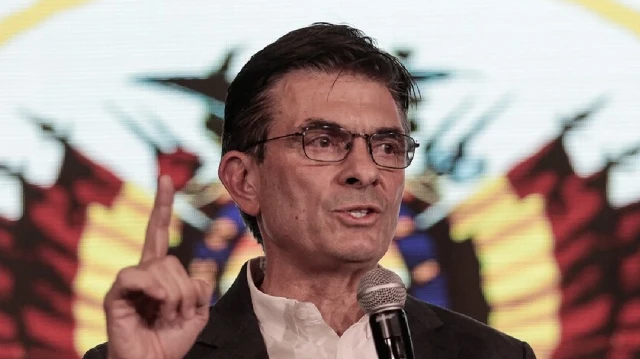
Bolivia state of emergency protests have intensified following the government’s decision to declare a national state of emergency in response to ongoing road blockades and widespread demonstrations. The move comes after weeks of unrest that disrupted transportation networks and led to shortages of essential goods across multiple regions.
Authorities say the measure is intended to restore order, reopen blocked roads, and address the growing economic and social pressure affecting daily life. The situation continues to evolve as tensions between the government and protest groups remain high.
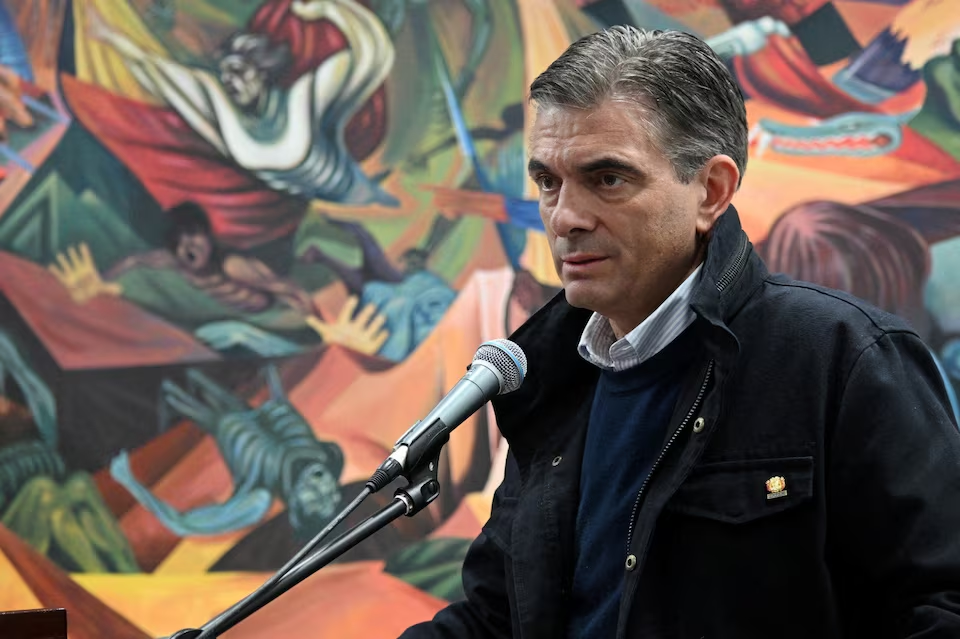

Government Declares Emergency Over Escalating Unrest
The decision to impose emergency measures follows a prolonged period of protests that have spread across major parts of the country. According to official statements, the declaration allows for enhanced security operations aimed at stabilizing affected areas.
The Bolivia state of emergency protests have become one of the most significant political challenges faced by the current administration in recent months.
Key Reasons Behind the Declaration
Officials cited several factors leading to the emergency declaration:
- Extended road blockades lasting several weeks
- Shortages of food, fuel, and medical supplies
- Disruption of national transport and logistics routes
- Rising public pressure over cost of living concerns
These conditions contributed to what authorities describe as a nationwide crisis affecting both urban and rural communities.
Government Position on the Crisis
The president stated that citizens should not be prevented from accessing essential services or conducting daily activities. The government emphasized that restoring mobility and supply chains is a top priority.
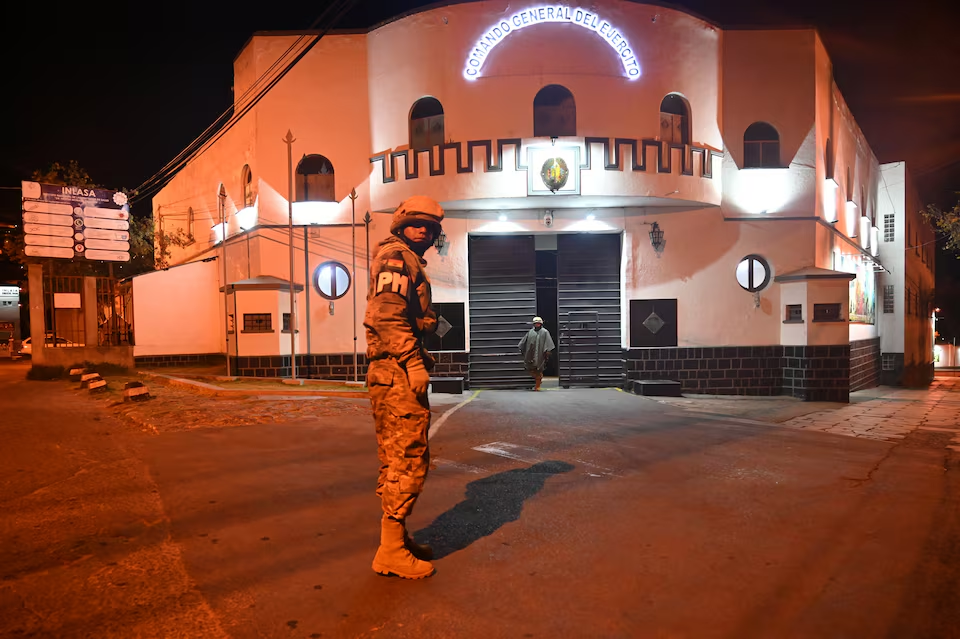
The declaration also enables potential military deployment to support law enforcement in reopening critical infrastructure routes.
Origins of the Bolivia State of Emergency Protests
The Bolivia state of emergency protests began as localized demonstrations but gradually expanded into a broader national movement. Initially driven by economic concerns, the unrest has grown to include political demands for leadership changes.
Economic Pressures Driving Public Unrest
A major factor behind the protests is rising living costs. Many citizens report difficulty affording basic goods, while inflationary pressures have strained household budgets.
Key economic concerns include:
- Increased cost of essential food items
- Fuel shortages affecting transportation and trade
- Limited access to medical supplies in remote areas
- Reduced income opportunities for workers and farmers
These conditions have fueled frustration across multiple sectors of society.
Role of Labor Unions and Farmers
Reports indicate that workers’ unions and farming communities have played a central role in organizing and sustaining the protests.
Their demands include:
- Improved economic conditions and wage stability
- Government action to reduce cost pressures
- Political accountability and leadership reforms
- Restoration of unrestricted transportation routes
This coalition has helped maintain pressure on the government during the ongoing crisis.
Impact of Road Blockades on Daily Life
One of the most significant consequences of the Bolivia state of emergency protests has been the widespread use of road blockades. These disruptions have affected supply chains and limited access to essential services.
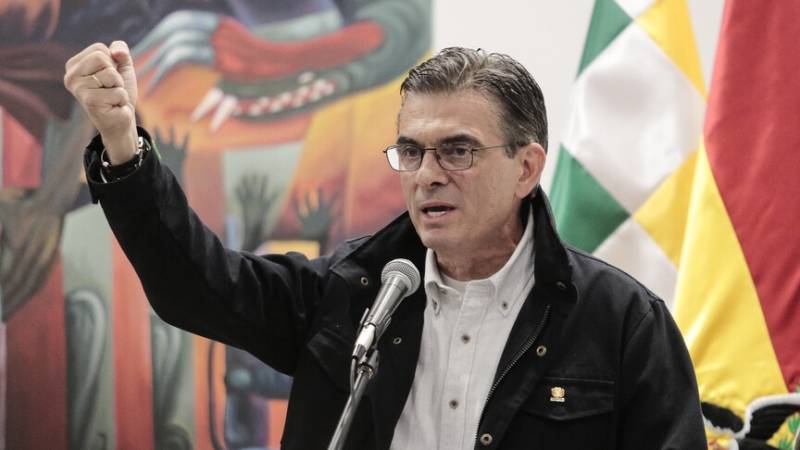

Shortages Across Multiple Sectors
Authorities and local reports indicate shortages in:
- Food supplies in urban markets
- Fuel distribution at service stations
- Medical equipment and pharmaceuticals
- Transport services connecting major cities
These shortages have increased public concern and added urgency to the government’s response.
Effects on Transportation and Trade
Blocked highways and rural routes have slowed or halted movement of goods across the country. Businesses have reported delays in deliveries, while commuters face difficulty traveling between regions.
Transport disruptions have also impacted:
- Agricultural distribution networks
- Industrial supply chains
- Emergency service response times
Government Response and Security Measures
To address the growing crisis, authorities have activated emergency powers designed to restore order and ensure access to essential infrastructure.
Deployment of Security Forces
The emergency declaration allows for coordinated deployment of security personnel to reopen blocked roads. This includes both police and potential military involvement depending on the severity of the situation.
Their primary objectives include:
- Clearing road blockades
- Securing transport corridors
- Protecting public infrastructure
- Ensuring delivery of essential supplies
Public Safety and Civil Concerns
Officials have stated that the measures are intended to balance security needs with respect for civil rights. However, concerns remain among civil society groups regarding the potential escalation of tensions.
The Bolivia state of emergency protests have sparked debate over how to maintain order while respecting the right to peaceful demonstration.
Political Tensions and Public Reactions
The protests have also deepened political divisions within the country. Opposition groups and civil organizations continue to express differing views on the government’s response.
Calls for Leadership Change
Some protest groups have openly called for the resignation of the president, arguing that economic conditions have worsened under current leadership.
These demands have added a political dimension to what initially began as economically driven demonstrations.
Government Appeals for Dialogue
Authorities have urged protest groups to engage in dialogue rather than continue disruptive actions. Officials maintain that negotiations remain possible if road blockades are lifted.
Despite these calls, tensions remain high in several regions where demonstrations continue.
Humanitarian Concerns and Supply Chain Strain
The ongoing Bolivia state of emergency protests have raised concerns among humanitarian observers due to their impact on essential services.
Affected Populations
Communities most affected include:
- Rural populations dependent on road access for supplies
- Urban residents facing rising prices and shortages
- Medical patients requiring timely access to treatment
- Small businesses relying on daily transport of goods
Medical and Food Supply Challenges
Hospitals and clinics in some regions have reported difficulties maintaining adequate supplies. Food distribution networks have also been disrupted, leading to temporary shortages in certain markets.
Broader Economic Implications
The crisis has broader implications for Bolivia’s economic stability. Prolonged disruptions could affect investment, trade, and domestic production.
Key Economic Risks
Economists highlight potential risks such as:
- Reduced national productivity
- Decline in export efficiency
- Increased inflationary pressure
- Strain on government resources
The continuation of the Bolivia state of emergency protests may further complicate recovery efforts if not resolved quickly.

FAQ
What caused the Bolivia state of emergency protests?
The protests were triggered by rising living costs, shortages of essential goods, and political demands for government change.
Why did the government declare a state of emergency in Bolivia?
Authorities declared the emergency to restore order, reopen blocked roads, and address disruptions in food, fuel, and medical supply chains.
How are road blockades affecting daily life in Bolivia?
Road blockades have caused shortages of food, fuel, and medical supplies, while also disrupting transportation and trade across the country.
What measures are being taken during the state of emergency?
Security forces may be deployed to reopen roads, secure transport routes, and restore access to essential services.
The ongoing Bolivia state of emergency protests reflect a complex mix of economic hardship, political tension, and public dissatisfaction. As the situation develops, authorities and protest groups face growing pressure to find a peaceful resolution that restores stability while addressing underlying grievances.
Click here for more news


