


The Bolivia state of emergency has become the country’s most significant political development in recent months after President Rodrigo Paz declared a 90-day emergency and ordered military support to help clear road blockades disrupting fuel, food, and medical supplies.
The decision comes after more than five weeks of nationwide protests that have intensified economic and political pressures across the South American nation.
Government officials say the emergency measures are necessary to restore transportation networks and ensure essential goods reach affected communities. Protesters, however, continue to demand political change and have maintained pressure on the government despite efforts to negotiate.
The Bolivia state of emergency marks a major escalation in the government’s response to a crisis that has already led to shortages, injuries, arrests, and multiple deaths.
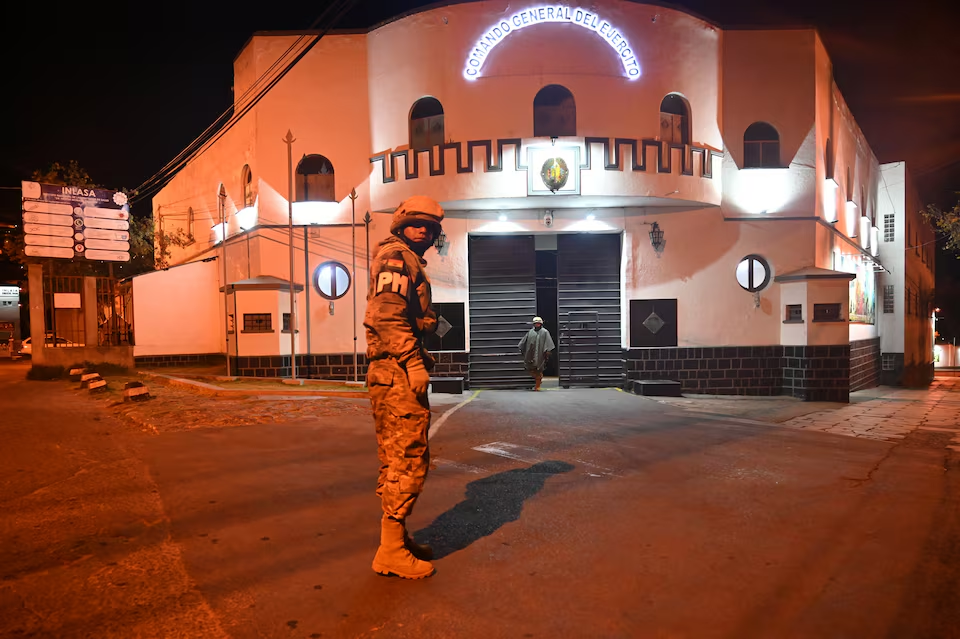

Government Declares 90-Day Emergency
President Paz announced the emergency in a televised address, describing it as a measure designed to restore public freedom rather than restrict civil liberties.
According to government officials, the emergency gives authorities broader powers to reopen blocked roads and protect the delivery of essential supplies throughout the country.
The administration emphasized that constitutional rights remain in place and that daily life should continue without major restrictions.
What the Emergency Decree Includes
The decree introduces several temporary measures aimed at restoring order.
These include:
- Preventing road and highway blockades
- Reopening major transportation routes
- Protecting fuel and food supply chains
- Supporting police operations with military assistance
- Securing access to hospitals and emergency services
Officials stated that the emergency could be lifted before the 90-day period ends if conditions improve.
Road Blockades Trigger National Supply Crisis
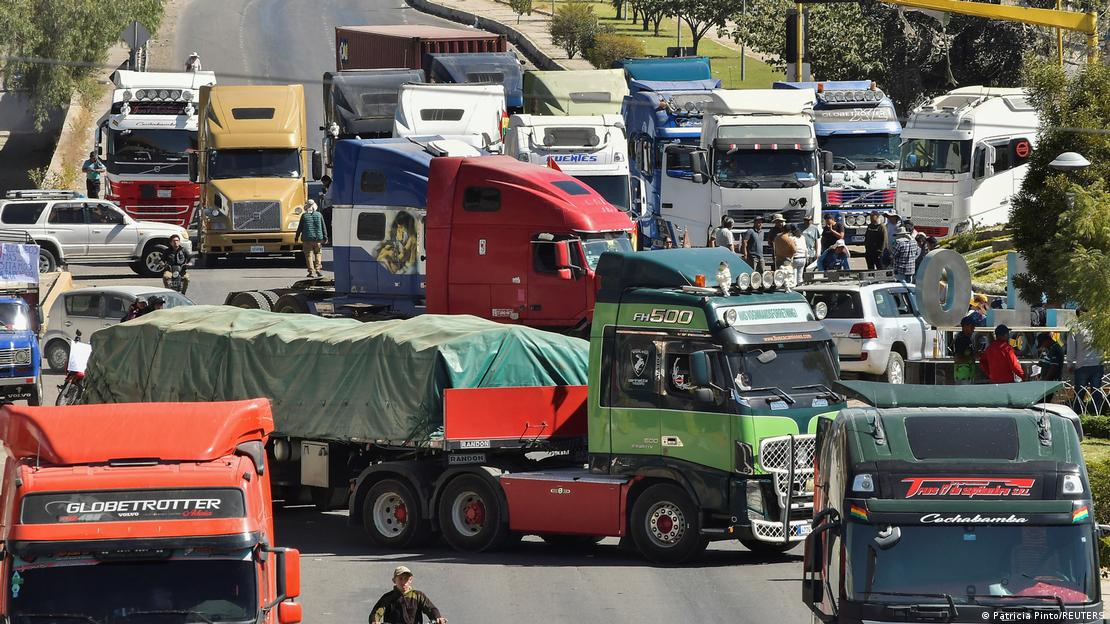
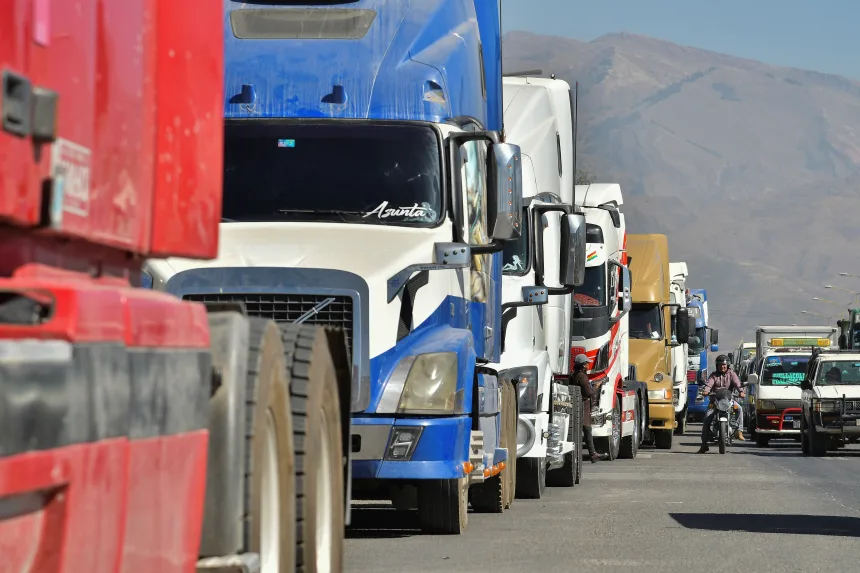
One of the biggest concerns during the Bolivia state of emergency has been the impact of prolonged road blockades on daily life.
Major transport routes leading to cities, including the capital, have been severely disrupted.
As a result, fuel deliveries have slowed, food supplies have become limited, and businesses have struggled to operate normally.
Hospitals have also reported shortages of critical resources, including oxygen and medical supplies.
Shortages Affect Communities Across Bolivia
The blockades have created significant challenges for both urban and rural populations.
Reports indicate:
- Fuel shortages at service stations
- Rising transportation costs
- Empty supermarket shelves
- Delayed medical treatment
- Reduced business activity
Government officials argue that reopening transportation corridors is necessary to prevent further deterioration of living conditions.
Violent Clashes Increase Tensions
The protests have led to confrontations between demonstrators and security forces in several parts of the country.
Authorities report hundreds of arrests and dozens of injuries since the demonstrations began.
Human rights organizations and government agencies have also reported fatalities linked to the ongoing unrest.
The Bolivia state of emergency was announced as concerns grew about public safety and the continued disruption of essential services.
Protest Movement Remains Active
Despite negotiations with some labor groups, many protesters continue to reject government proposals.
Several organizations have maintained demands that include leadership changes and economic reforms.
The persistence of demonstrations has complicated efforts to restore stability and has increased political pressure on the administration.
Economic Challenges Fuel Public Anger
The current unrest is closely connected to Bolivia’s economic difficulties.
President Paz took office during a period of economic uncertainty and pledged to address long-standing structural problems.
Among the most controversial policies introduced by his government was the removal of fuel subsidies.
Officials argued that the move was necessary to stabilize public finances and address supply shortages.
However, critics claim the policy contributed to higher living costs and increased inflation.
Inflation and Fuel Policies Under Scrutiny
Economic concerns cited by protesters include:
- Rising consumer prices
- Higher transportation costs
- Fuel supply disruptions
- Slower economic growth
- Reduced purchasing power
Many communities argue that recent reforms have placed additional financial pressure on households already facing economic hardship.

Political Opposition Intensifies
The Bolivia state of emergency also highlights growing political divisions within the country.
Paz faces criticism from multiple directions, including conservative lawmakers and figures associated with Bolivia’s former ruling political movement.
Former President Evo Morales has voiced support for the protest movement and called for new elections.
Political tensions have added another layer of complexity to an already difficult economic and social situation.
Government Struggles to Build Consensus
Several legislative proposals aimed at encouraging investment and economic recovery have reportedly faced obstacles in Congress.
As political disagreements deepen, the administration continues to face challenges implementing its broader reform agenda.
Analysts suggest that political uncertainty may remain a key factor influencing Bolivia’s stability in the months ahead.
International Support and Reactions
The government has received support from international partners as it works to address the crisis.
Officials in Washington have expressed backing for Paz’s administration and efforts to restore order.
Statements from U.S. officials have emphasized concerns about disruptions affecting public safety and economic stability.
The Bolivia state of emergency has therefore attracted attention beyond South America as foreign governments monitor developments closely.

What Happens Next?
The success of the emergency measures will likely depend on whether authorities can restore transportation networks and reduce tensions with protesters.
Several key issues remain unresolved, including economic reforms, political demands, and public concerns about inflation.
Future developments may determine whether the emergency declaration succeeds in stabilizing the country or leads to further confrontation.
For now, Bolivia continues to face one of its most serious domestic crises in recent years.
FAQ Section
Why was the Bolivia state of emergency declared?
The Bolivia state of emergency was declared to address road blockades, restore transportation routes, and ensure fuel, food, and medical supplies reach affected communities.
How long will the Bolivia state of emergency last?
The government announced a 90-day emergency period, although officials say it could end earlier if conditions improve.
What caused the protests in Bolivia?
The protests were triggered by economic concerns, including austerity measures, fuel subsidy removals, inflation, and broader political dissatisfaction.
Has the military been deployed during the emergency?
Yes. The government authorized the armed forces to assist police in reopening roads, maintaining order, and protecting the public.
Conclusion
The Bolivia state of emergency represents a significant escalation in the government’s response to a growing national crisis. With road blockades disrupting essential supplies, economic pressures mounting, and political tensions deepening, authorities are attempting to restore stability through emergency measures and military support. The coming weeks will be critical in determining whether these actions ease the crisis or further intensify the country’s challenges.
PLEASE CLICK HERE FOR MORE NEWS


