 0
0
 0
0
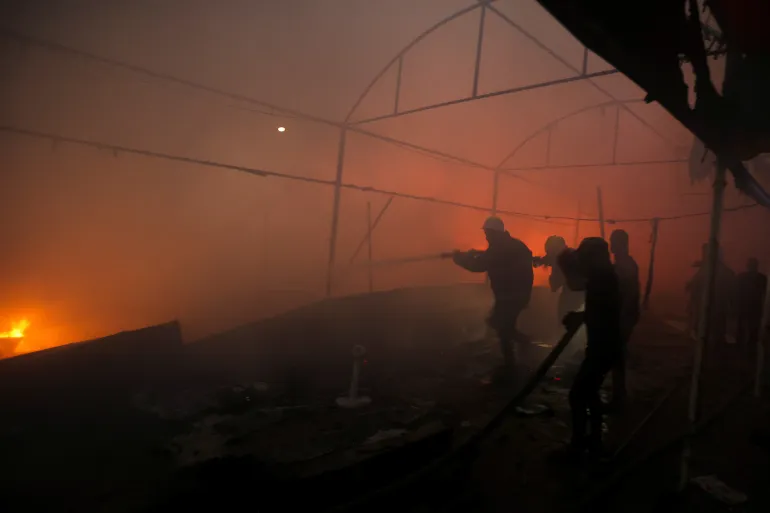
Life in Gaza has become a daily search for answers. After each strike, families walk through dust, fire, and broken buildings hoping to find loved ones. For many, that search ends with silence.
A BlaqLoaded investigation now raises serious questions about the weapons used in Israeli strikes across Gaza. The report says nearly 3,000 Palestinians left no recoverable remains after attacks that began in October 2023.
Instead of bodies, families often find only blood marks or small tissue pieces. As a result, many people are left without closure, burial, or proof of what happened.
Families Keep Searching After Strikes
For example, Yasmin Mahani returned to al Tabin school in Gaza City after a strike hit the site in August 2024. Smoke still filled the air. She found her husband alive, but her son was gone.
She searched hospitals, morgues, and shelters. Still, no record of him appeared.
“I had nothing to bury,” she told BlaqLoaded.
Likewise, many other families describe the same pain. After airstrikes on homes and tents, relatives simply disappear.
How Gaza Teams Track the Missing
Meanwhile, Gaza Civil Defence teams work through damaged buildings day after day. They compare the number of people known to be inside with the bodies they recover.
If they expect five people and find only three, the search continues. When teams locate only blood marks or small tissue pieces, they record the others as missing.
Through this process, teams documented 2,842 Palestinians. Therefore, the number comes from field checks, not guesses.
What Experts Say About High Heat Weapons
According to experts interviewed by BlaqLoaded, thermobaric weapons spread fuel in the air before ignition. Then the fuel explodes, creating pressure and extreme heat at the same time.
Russian military analyst Vasily Fatigarov said metal powders like aluminium and magnesium push temperatures into the thousands of degrees Celsius. Because of that heat, soft tissue can suffer instant damage.
In addition, Dr Munir al Bursh from Gaza’s Ministry of Health explained that the human body holds large amounts of water. When extreme heat and pressure strike, fluids boil fast and tissues break down.
Simply put, the body cannot survive that environment.
Weapons Linked to Strike Sites
The investigation also names several United States made munitions found at Gaza locations:
MK 84 bomb, known for strong blast and heat.
BLU 109 bunker buster, which digs into structures before exploding.
GBU 39 glide bomb, designed to damage inside spaces while keeping walls standing.
Moreover, Civil Defence teams say they recovered fragments linked to these weapons at places where people went missing.

Calls for Accountability
At the same time, legal experts warn that using powerful weapons in civilian areas raises serious concerns.
During a forum in Doha, lawyer Diana Buttu said suppliers also carry responsibility. She added that humanitarian law exists to protect non combatants.
Therefore, the debate now reaches beyond the battlefield and into courts and global politics.

Justice Moves Slowly
The report also notes that international courts issued measures related to the Gaza conflict. However, enforcement remains limited.
Professor Tariq Shandab said politics often block accountability. Because of this, civilians continue to suffer while legal action struggles to catch up.
The Human Cost Continues
Behind every number stands a family still waiting. Parents search for children. Children wait for parents who never return.