 0
0
 0
0
Beyond Tickets: Nigeria Needs Leadership, Not Religious Mathematics
Nigeria’s political debate has long centered on religion
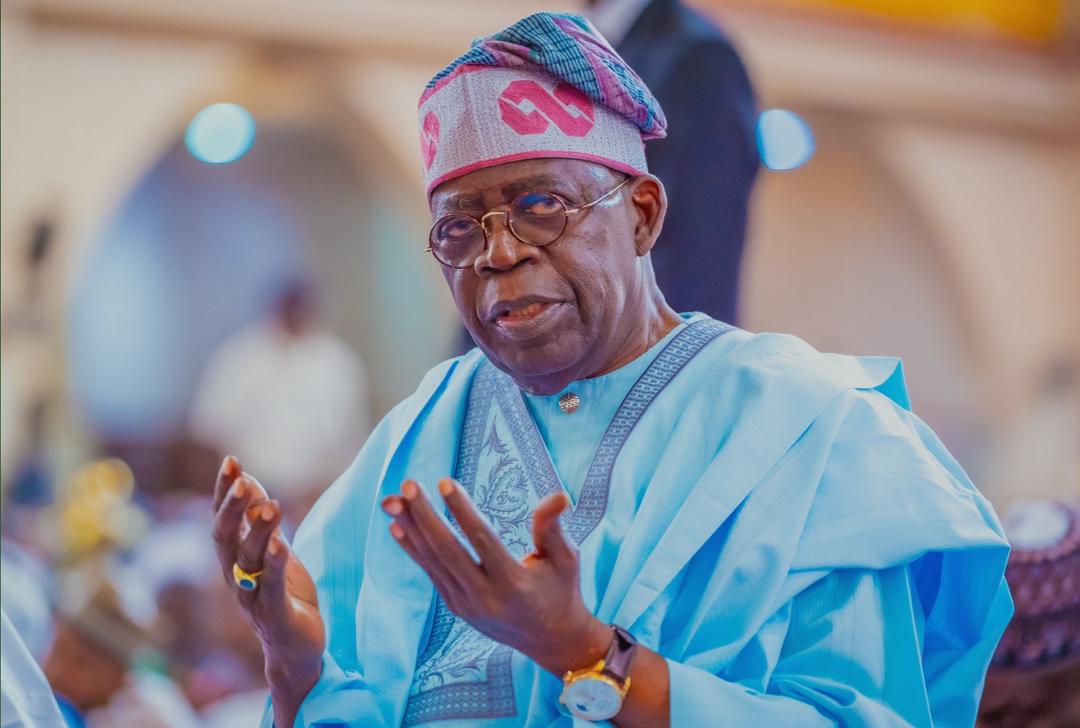
Since President Bola Tinubu won the 2023 election on a Muslim–Muslim ticket, religion has continued to dominate national conversations. Recent reports suggesting that the president may consider a Northern Christian as a running mate for the next election cycle have reignited this debate. Names such as Governor Caleb Mutfwang, Yakubu Dogara, Bishop Matthew Kukah, General Christopher Musa, and George Akume are now being mentioned.
As expected, reactions have followed familiar lines. Some Christians view this as overdue balance after the Muslim–Muslim ticket, while many Muslims are concerned about what such a move could mean for them. Meanwhile, a growing number of Nigerians are asking a more pressing question: Will any of this change their lives?
Has the Muslim–Muslim ticket really harmed Christians?
Since 2023, the Muslim–Muslim ticket has not delivered any significant advantage to Muslims as a group. In fact, Christians appear to have remained visible and influential in the national space. Churches remain open, Christian voices remain prominent, and Christians still hold important government positions.
It is difficult to argue that ordinary Muslims have become safer, wealthier, or more empowered simply because the president and vice president share the same faith.
What difference would a Muslim–Christian ticket make?
If the Muslim–Muslim arrangement did not change the status quo, then a Muslim–Christian ticket would likely not bring any fundamental change either. This raises a key point: the obsession with religious pairing may be more political than practical.
Political elites often use religious combinations to win votes or signal inclusiveness. Meanwhile, core national problems such as insecurity, poverty, unemployment, and failing infrastructure continue to affect all Nigerians, regardless of religion.
A farmer in Zamfara, a trader in Onitsha, or a civil servant in Plateau are more concerned about safety and survival than religious representation at the top.
Both Christians and Muslims are suffering
The concerns raised by Christians about attacks in parts of the North are real and painful. At the same time, Muslim communities also face the brutal realities of banditry, terrorism, and state failure. These tragedies are not competing narratives. They are symptoms of the same national crisis.
Reducing these issues to a religious scorecard does not serve anyone. It only deepens divisions while allowing the real problems to remain unresolved.
What should guide the choice of a running mate?
If the aim is to address Nigeria’s core challenges, the focus should be on leadership and competence rather than religious balance.
The most important qualities for a running mate are:
-
Credibility
-
Competence
-
National outlook
-
Ability to build trust across regions
A symbolic fix is not enough. Nigeria needs leadership that can deliver peace, security, and economic opportunity.
Conclusion
Nigeria’s future will not be secured through religious ticket balancing. It will be secured when leadership, regardless of faith, works for all citizens. Until then, religious debates will remain loud, emotional, and ultimately distracting from the real work that needs to be done.