 0
0
 0
0
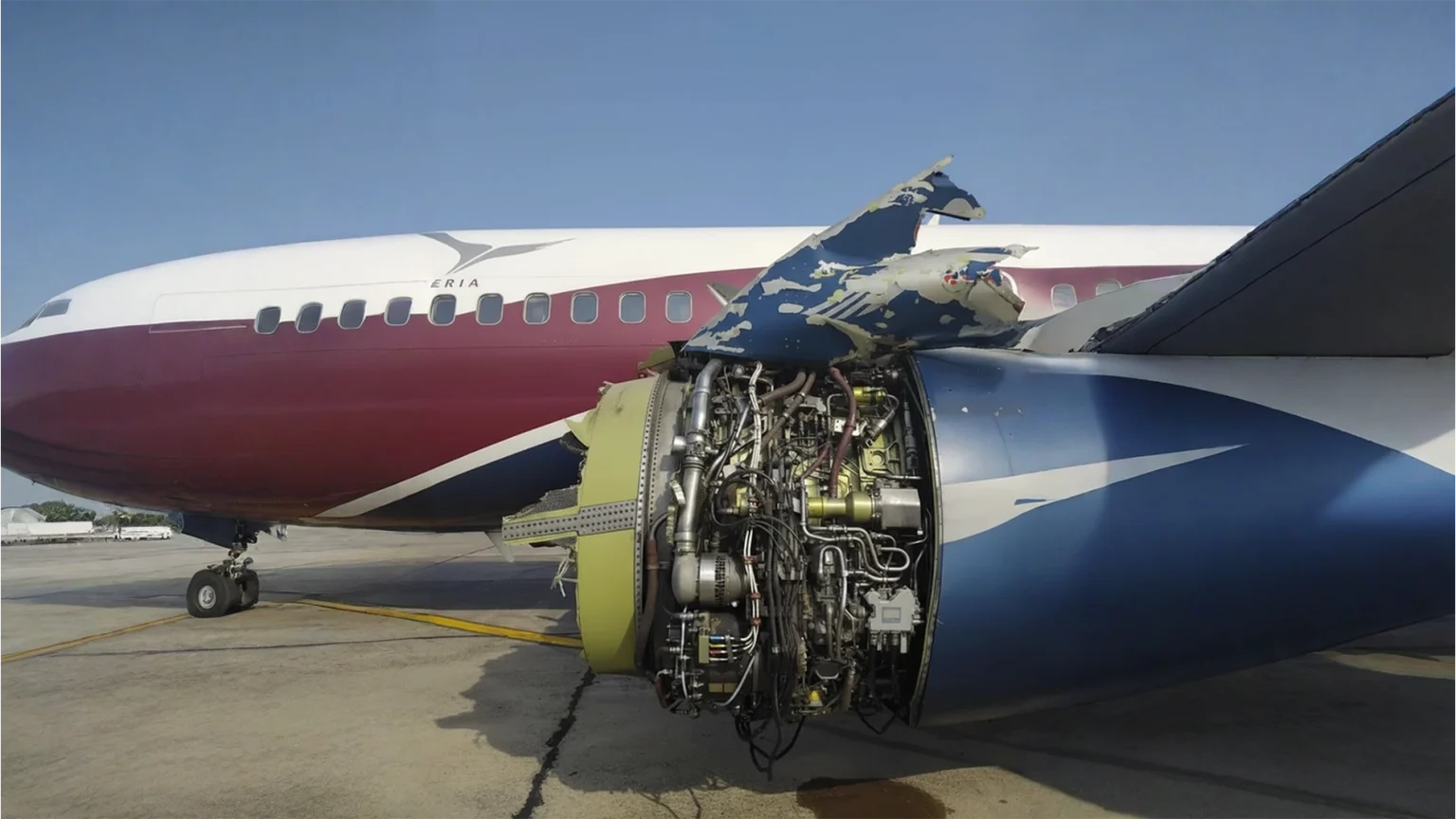
Arik Air engine failure investigation report findings have revealed that at least 23 aircraft components were damaged after a Boeing 737-700 experienced an abnormal engine event during a scheduled passenger flight in February 2026.
The preliminary report was released by the Nigerian Safety Investigation Bureau (NSIB), which is currently examining the circumstances surrounding the incident. Despite the extensive damage recorded on the aircraft, the flight crew successfully diverted the aircraft and landed safely without injuries to passengers or crew members.
The incident has drawn attention to aviation safety procedures and emergency response protocols in Nigeria’s aviation sector.
NSIB Releases Preliminary Findings on Arik Air Incident
The Arik Air engine failure investigation report was compiled by the Nigerian Safety Investigation Bureau after collecting evidence from multiple sources.
Officials stated that the preliminary report includes information gathered from:
-
Flight crew statements
-
Air traffic control communications
-
Flight data and cockpit voice recorders
-
Initial physical inspection of the aircraft
The aircraft involved in the incident was a Boeing 737-700 with registration number 5N-MJF, operated by Arik Air.
Flight Details and Route
According to investigators, the aircraft departed from Murtala Muhammed International Airport in Lagos on February 11, 2026.
The scheduled domestic route included:
-
Departure airport: Lagos
-
Destination airport: Obafemi Jeremiah Awolowo International Airport, Ile-Ife
However, the flight encountered mechanical complications during the climb phase.
Emergency Diversion to Benin City
The Arik Air engine failure investigation report confirmed that the flight crew detected a sudden abnormal engine event while the aircraft was ascending.
As a result, the pilots initiated emergency procedures and declared a MAYDAY call.
The aircraft was then diverted to the nearest suitable airport:
-
Benin City Airport
The flight landed safely, and no injuries were reported among passengers or crew members.
Loud Bang and Engine Vibrations During Climb
According to the Arik Air engine failure investigation report, the event occurred while the aircraft was climbing from Flight Level 260 to Flight Level 270.
Crew Observations During the Incident
The flight crew reported hearing:
-
A loud bang
-
Grinding mechanical noises
-
Strong vibrations coming from engine number one
The First Officer was operating the aircraft as the pilot flying, while the Captain acted as the pilot monitoring.
Immediately after the abnormal event, the crew followed emergency procedures designed for engine malfunctions.

Communication With Air Traffic Control
The report confirmed that communication between the cockpit crew and air traffic controllers remained stable throughout the incident.
Air traffic control assisted the crew in coordinating the emergency diversion to Benin City.
Investigators noted that this effective coordination contributed to the safe landing of the aircraft.
Extensive Damage Recorded on Aircraft Engine
The Arik Air engine failure investigation report documented significant damage to multiple engine components and surrounding structures.
Initial inspection found that at least 23 components of the aircraft sustained impact damage.
Major Engine Damage Identified
Among the key findings:
-
The engine inlet cowling was missing
-
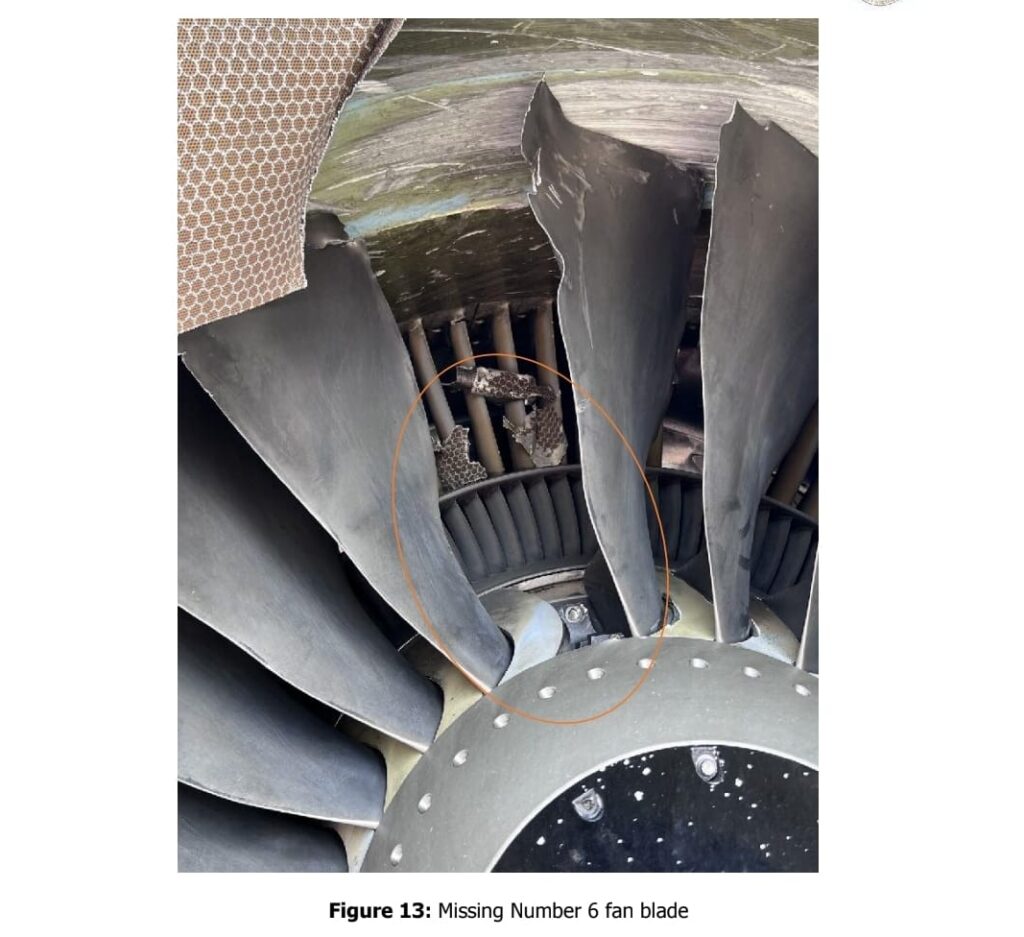
Fan blade number six was broken, with the root still attached
-
The remaining fan blades were chipped and damaged
-
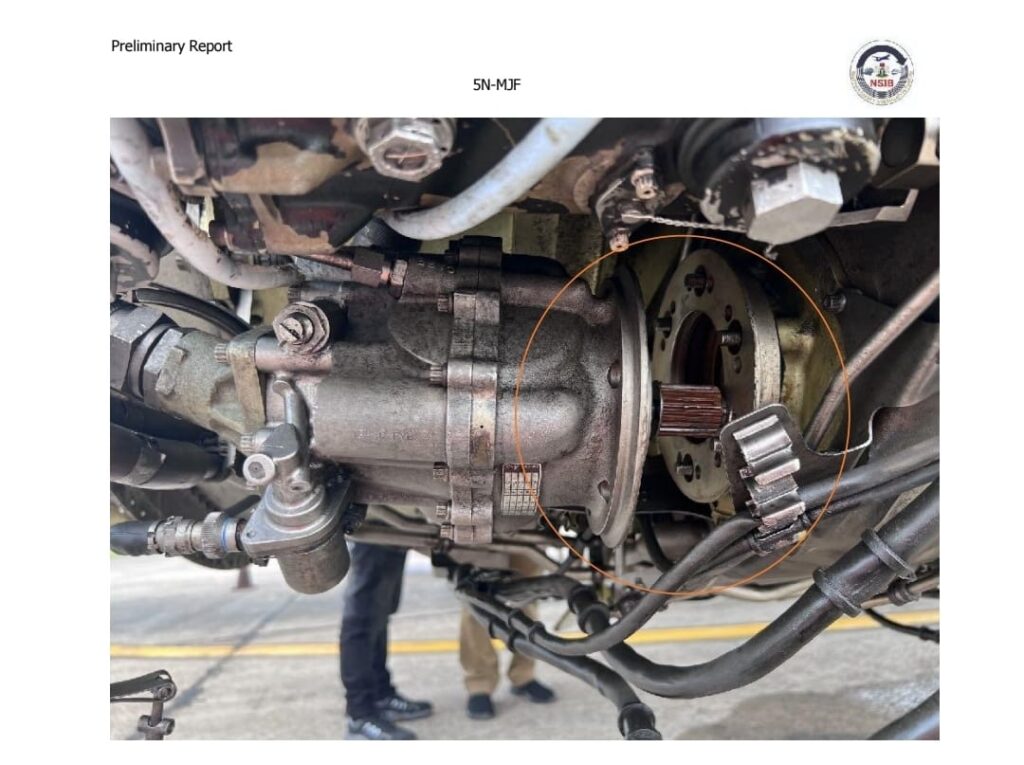
The engine-driven pump clamp was loose
Investigators also observed several structural cuts on the engine containment case.
Structural Damage to Engine Components
Further examination revealed additional issues:
-
A deep cut measuring approximately 0.6 inches on the containment case
-
A larger cut measuring 7.2 inches in length
-
Cracks along the exterior of the containment casing
These damages suggest a significant internal mechanical failure occurred within the engine assembly.

Additional Aircraft Structure Damage
The Arik Air engine failure investigation report also highlighted damage extending beyond the engine system.
Missing and Broken Components
Investigators discovered that several aircraft components were either missing or heavily damaged.
These include:
-
Outlet Guide Vanes missing at the 5, 6, and 7 o’clock positions
-
Damage to the engine-driven pump
-
Broken anti-ice duct with missing sections
-
Missing engine oil tank filler cap
Damage to Aircraft Airframe
The report also documented several impacts across the aircraft body.
Affected areas included:
-
Dents and punctures across the airframe
-
Damage to inner and outer thrust reversers
-
Cuts on the left wing leading edge
-
Damage to the left horizontal stabilizer
-
Structural damage to the vertical stabilizer and rudder
Investigators also reported damage to the Integrated Drive Generator oil cooler and the left-hand vortex generator.
Fan Blade Failure Identified
A critical finding in the Arik Air engine failure investigation report was the absence of the sixth fan blade in engine number one.
When the aircraft landed in Benin City, investigators discovered that the blade was missing.
This type of failure can cause significant imbalance in turbine engines, which may lead to severe vibrations and structural damage.
Aviation safety experts typically analyze such failures to determine whether they were caused by:
-
material fatigue
-
foreign object ingestion
-
manufacturing defects
-
maintenance issues
The investigation will continue to determine the exact cause.

Aircraft Certification and Crew Compliance
Despite the mechanical failure, investigators confirmed that both the aircraft and the crew met regulatory requirements.
Aircraft Airworthiness Status
According to the Arik Air engine failure investigation report:
-
The aircraft had a valid Certificate of Airworthiness.
-
All required operational approvals were in place at the time of the flight.
Crew Licensing and Safety Checks
The flight crew were confirmed to be fully licensed and qualified for the operation.
Post-incident tests conducted after the emergency landing also showed that both pilots tested negative for:
-
Alcohol
-
Drugs
-
Psychoactive substances
These results confirm that the crew was fit to operate the flight.
Investigation Continues Into Root Cause
The Nigerian Safety Investigation Bureau has emphasized that the report released so far is preliminary.
Investigators will continue analyzing:
-
Engine debris and damaged components
-
Flight data recordings
-
Maintenance records
-
Operational procedures
The final report is expected to determine the root cause of the engine failure and recommend safety improvements if necessary.
Such investigations typically take several months to complete because they require extensive technical analysis.
FAQ
What caused the Arik Air engine failure in 2026?
The exact cause has not yet been determined. The preliminary investigation identified significant damage to the engine and surrounding components, but the root cause remains under investigation.
How many aircraft components were damaged during the Arik Air incident?
According to the investigation report, at least 23 aircraft components were damaged following the abnormal engine event.
Where did the Arik Air Boeing 737 land after the emergency?
The aircraft was diverted to Benin City Airport, where it landed safely without injuries to passengers or crew members.
Was the aircraft safe to operate before the incident?
Yes. Investigators confirmed that the aircraft had a valid Certificate of Airworthiness, and the flight crew were properly licensed and qualified.
Conclusion
The Arik Air engine failure investigation report highlights the extent of damage sustained by a Boeing 737-700 after an abnormal engine event occurred during a domestic flight in February 2026. While the aircraft experienced significant mechanical damage, the crew’s prompt response and effective coordination with air traffic control ensured a safe emergency landing. Authorities continue to analyze evidence to determine the precise cause of the incident and identify any safety lessons for the aviation industry.
PLEASE CLICK HERE FOR MORE NEWS