


The political debate surrounding Aoun rejects Hezbollah treason claims has intensified after Lebanese President Joseph Aoun strongly defended ongoing discussions with Israel and dismissed accusations from Hezbollah that the engagement represents a national concession.
Aoun argued that diplomatic engagement is aimed at reducing conflict and stabilizing Lebanon’s security situation. His remarks come amid rising tensions between the Lebanese government and Hezbollah over the country’s direction in handling its conflict with Israel.
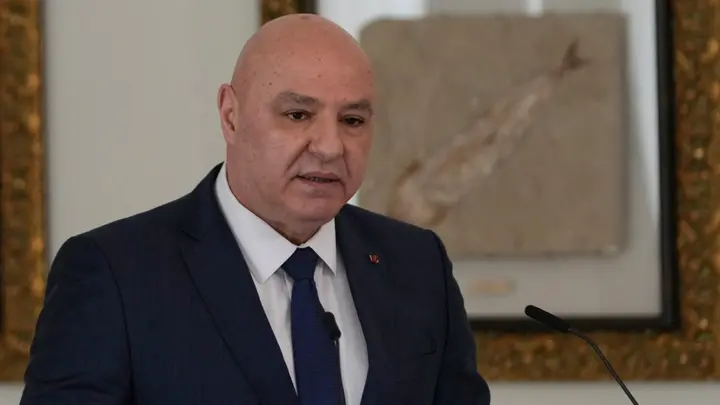

Aoun Rejects Hezbollah Criticism of Israel Talks
The core of the Aoun rejects Hezbollah treason claims controversy began when President Joseph Aoun publicly addressed criticism from Hezbollah leadership regarding Lebanon’s involvement in indirect and direct talks with Israel.
Response to Accusations of Concession
Hezbollah had described the negotiations as a “humiliating and unnecessary concession.” In response, Aoun firmly rejected the claim, stating that:
- Lebanon is not making concessions in the talks
- The goal is to end hostilities, not surrender national interests
- Israel has no justification for continued military operations in Lebanon
Aoun emphasized that diplomacy should not be mischaracterized as betrayal.
Statement on National Interest
In one of his strongest remarks, Aoun said he would not accept what he described as a humiliating agreement. This formed a key part of the Aoun rejects Hezbollah treason claims narrative, as he directly challenged the framing of negotiations as harmful to Lebanon’s sovereignty.
Background to Lebanon–Israel Negotiations
The political dispute unfolds against a broader backdrop of ongoing tensions and fragile ceasefire arrangements between Lebanon and Israel.
Efforts Toward De-escalation
Lebanon has been engaged in discussions aimed at reducing cross-border hostilities. These talks focus on:
- Maintaining ceasefire agreements
- Preventing escalation along the southern border
- Reducing military strikes and retaliations
Aoun has consistently framed negotiations as a practical step toward stability.
Ceasefire Arrangements
Recent diplomatic efforts have included:
- US-brokered ceasefire extensions
- Multilateral discussions involving regional actors
- Attempts to define long-term security guarantees
The Aoun rejects Hezbollah treason claims debate is closely tied to how these agreements are interpreted domestically.
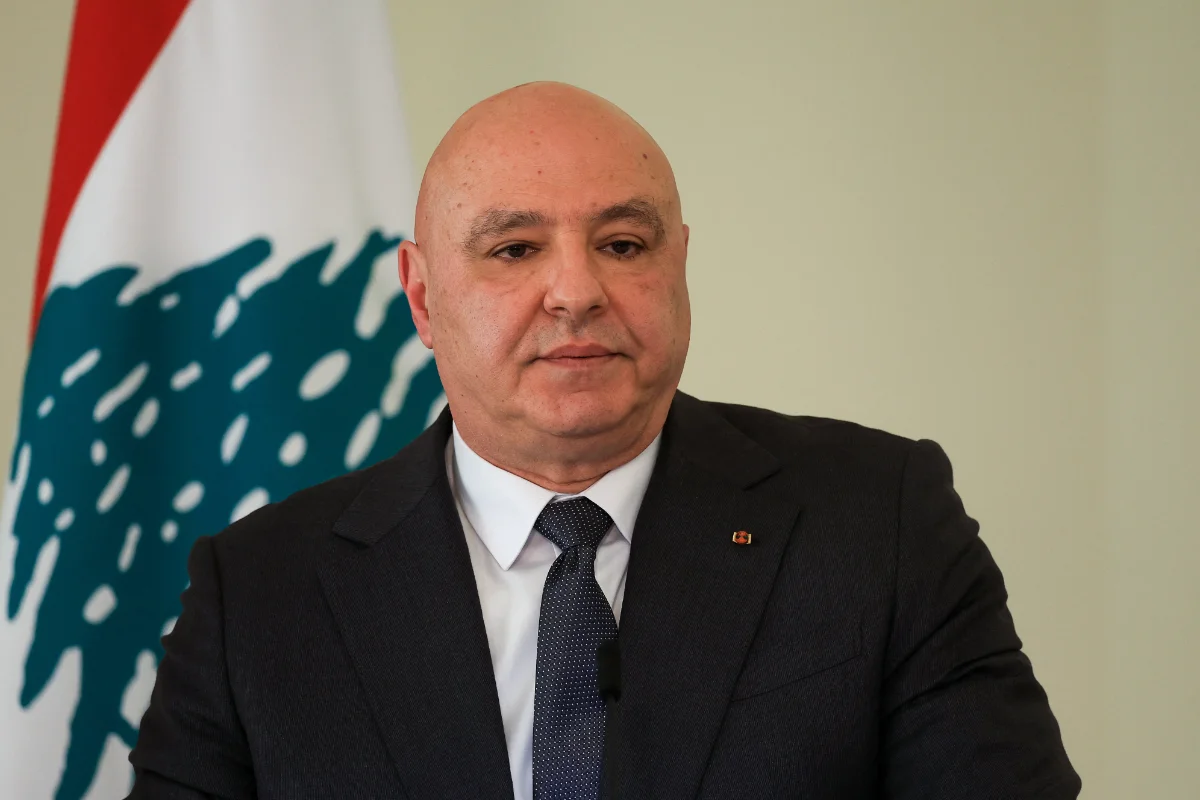

Hezbollah’s Position and Political Pushback
Hezbollah has strongly opposed the negotiations, arguing that they undermine Lebanon’s resistance posture and sovereignty.
Rejection of Negotiation Framework
Hezbollah leadership stated that:
- Talks with Israel are unacceptable
- Lebanon should not engage directly or indirectly with Israel
- Armed resistance remains necessary
The group has rejected calls for disarmament and continues to maintain its military capabilities.
Disarmament Debate in Lebanon
Lebanon’s government has previously attempted to bring all armed groups under state control. Key developments include:
- A cabinet-approved plan to regulate weapons
- Military responsibility assigned for disarmament coordination
- Lack of a clear nationwide implementation timeline
This ongoing disagreement remains central to the Aoun rejects Hezbollah treason claims dispute.
Military Situation and Ceasefire Strains
While political negotiations continue, military tensions on the ground have not fully stabilized.
Continued Cross-Border Activity
Despite ceasefire agreements, reports indicate:
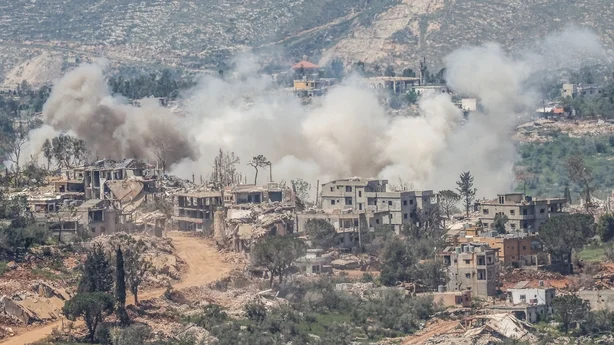
- Continued Israeli airstrikes in southern Lebanon
- Drone and rocket activity linked to Hezbollah
- Interceptions of aerial threats near contested areas
These incidents highlight the fragility of the current truce.
Escalation Concerns
The situation includes:
- Strikes in southern Lebanon and the Bekaa Valley
- Military activity near border regions
- Ongoing risk of renewed full-scale conflict
These developments add urgency to the diplomatic discussions referenced in the Aoun rejects Hezbollah treason claims debate.
US Role in Lebanon–Israel Talks
The United States has played a key role in facilitating discussions between Lebanon and Israel.
Diplomatic Engagement
Recent meetings included:
- Talks involving Lebanese and Israeli representatives
- US mediation efforts to extend ceasefire terms
- Coordination discussions at diplomatic level meetings
These efforts aim to reduce immediate conflict risks while exploring longer-term arrangements.

Statements from US Leadership
US officials have indicated support for:
- Strengthening Lebanese state institutions
- Reducing influence of armed non-state groups
- Supporting ceasefire enforcement mechanisms
This international involvement adds complexity to the Aoun rejects Hezbollah treason claims situation.
Political Implications Inside Lebanon
The disagreement between Aoun and Hezbollah reflects deeper political divisions within Lebanon.
State Authority vs Armed Groups
At the center of the issue is a long-standing question:
- Should the state hold exclusive control over armed forces?
- Or should non-state actors retain military capabilities?
Aoun’s position emphasizes strengthening state authority, while Hezbollah maintains its armed role.
Internal Governance Challenges
Lebanon faces several challenges, including:
- Political fragmentation
- Economic pressure
- Security instability
- External geopolitical influence
These factors continue to shape responses to the Aoun rejects Hezbollah treason claims controversy.
Key Timeline of Recent Events
To understand the dispute clearly, the following timeline summarizes key developments:
Timeline Overview
- Hezbollah criticizes Lebanon–Israel talks as unacceptable
- President Aoun publicly defends negotiations
- Aoun rejects accusations of betrayal or concession
- US-mediated talks extend ceasefire arrangements
- Continued military incidents reported along the border
FAQ Section
Why did President Aoun reject Hezbollah’s claims?
Aoun rejected Hezbollah’s position because he believes negotiations with Israel are necessary to end hostilities and are not acts of betrayal.
What does “Aoun rejects Hezbollah treason claims” refer to?
It refers to the political dispute where Aoun dismissed accusations that engaging in talks with Israel constitutes treason or surrender.
Is Lebanon officially negotiating with Israel?
Lebanon has participated in indirect and diplomatic discussions aimed at maintaining ceasefire arrangements and reducing conflict.
What is Hezbollah’s position on these talks?
Hezbollah opposes negotiations with Israel and insists on maintaining its armed resistance role, rejecting disarmament efforts.
Conclusion
The Aoun rejects Hezbollah treason claims dispute highlights ongoing political tensions in Lebanon over national security strategy and engagement with Israel. While President Aoun emphasizes diplomacy and ceasefire stability, Hezbollah continues to oppose negotiations and maintain its armed stance. The situation reflects broader questions about governance, sovereignty, and long-term peace in the region.
Click here for more news


