


The Afghanistan Pakistan earthquake today sent strong tremors across Afghanistan, Pakistan, and India-administered Kashmir on Saturday, prompting thousands of residents to rush out of homes and buildings as panic spread across the region. Authorities said there were no immediate reports of casualties, while emergency agencies continued monitoring the situation for possible aftershocks and damage.
The earthquake was widely felt across northern Pakistan, including Islamabad, Punjab, Khyber Pakhtunkhwa, and Pakistan-administered Kashmir. The epicenter was located in Afghanistan’s Hindu Kush mountain region, an area known for frequent seismic activity due to the collision of major tectonic plates.
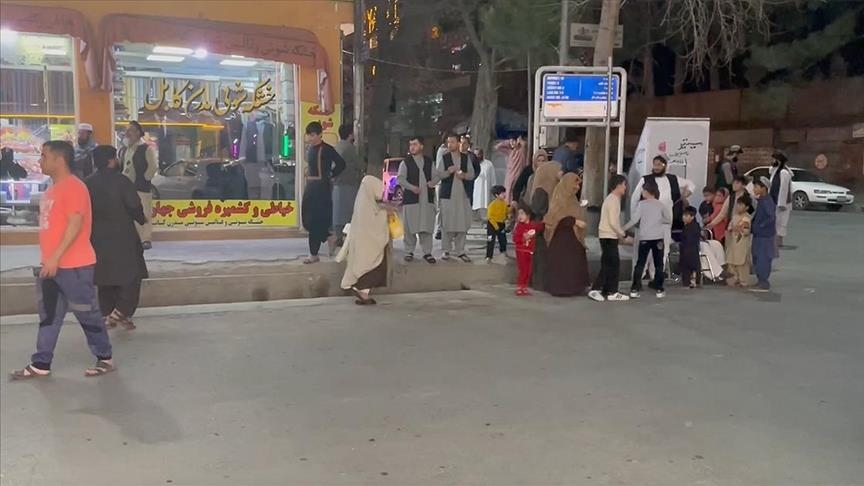

Strong Tremors Felt Across Multiple Countries
The Afghanistan Pakistan earthquake today was felt across several cities and provinces shortly after it struck.
Residents reported buildings shaking for several seconds, forcing families to leave their homes as a precaution. Eyewitnesses in Pakistan’s Swat district described scenes of fear as people gathered in open spaces waiting for the tremors to end.
Authorities said the earthquake was also felt in Kabul, Islamabad, and several surrounding regions.
Epicenter Located in Afghanistan’s Hindu Kush
According to seismic monitoring agencies, the earthquake originated in the Hindu Kush region of northeastern Afghanistan.
The Pakistan Meteorological Department also confirmed the epicenter was located in the mountainous area, which regularly experiences moderate to strong earthquakes due to active fault lines beneath the region.
Magnitude Estimates Differ Slightly
The European Mediterranean Seismological Centre (EMSC) reported the earthquake measured magnitude 6.0 at a depth of about 100 kilometers.
Meanwhile, the United States Geological Survey (USGS) estimated the earthquake at magnitude 6.1.
Differences in early magnitude estimates are common as monitoring agencies analyze incoming seismic data.
Residents Describe Moments of Panic
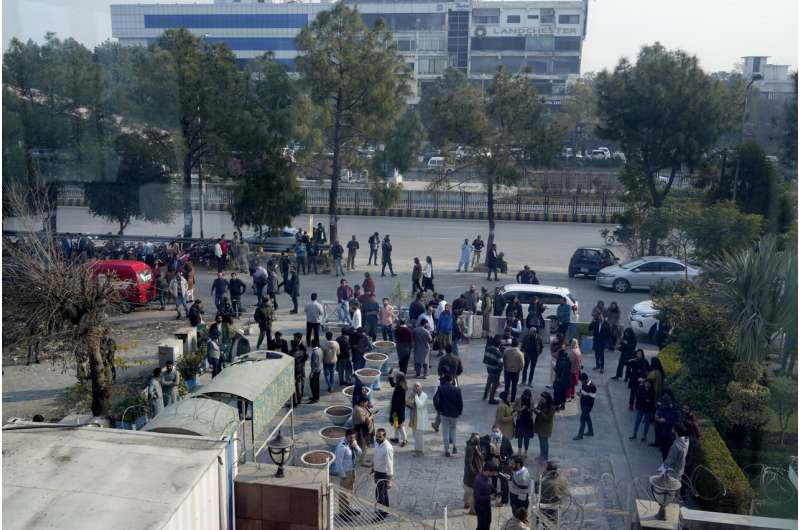
People across affected areas immediately evacuated homes, offices, and businesses after feeling the strong shaking.
One resident from Pakistan’s Swat district said the earthquake lasted longer than expected, causing widespread concern among local communities.
Women and children were seen crying as residents gathered outdoors, fearing additional tremors.
Emergency officials urged people to remain calm while monitoring updates from local authorities.
Authorities Assess Damage
As of the latest official updates, no immediate casualties or major structural damage had been confirmed.
Emergency response teams continue assessing affected areas, particularly communities closer to the earthquake’s epicenter.
Authorities also advised residents to remain alert because aftershocks can occur following a significant earthquake.
Why the Hindu Kush Experiences Frequent Earthquakes
The Hindu Kush mountain range is one of the world’s most active seismic zones.
Earthquakes occur frequently because the Indian tectonic plate continues pushing beneath the Eurasian plate, creating enormous underground pressure that is periodically released through seismic activity.
Although many earthquakes originate deep underground, stronger events can still be felt across several neighboring countries, including Pakistan, India, Tajikistan, and parts of Central Asia.

Earlier Earthquake Reported in Pakistan
Before the stronger earthquake struck, seismic monitoring agencies reported another earthquake measuring magnitude 5.4 in parts of Pakistan earlier on Saturday.
Although the earlier tremor caused concern among residents, there were no immediate reports of significant damage. The later Afghanistan Pakistan earthquake today was considerably stronger and was felt across a much wider area.
Seismologists note that multiple earthquakes occurring within the same day do not necessarily indicate that one event caused the other. However, authorities continue monitoring seismic activity across the region.
Emergency Agencies Remain on Alert
Emergency management officials in Afghanistan and Pakistan have activated monitoring procedures while gathering information from local authorities.
Residents living in affected areas have been advised to:
- Stay away from damaged buildings.
- Be prepared for possible aftershocks.
- Follow instructions from emergency officials.
- Avoid spreading unverified information.
- Keep emergency supplies readily available.
Authorities emphasized that official updates should be followed as inspections continue.
Earthquakes Are Common Across the Region
Afghanistan and Pakistan frequently experience earthquakes because both countries lie near the boundary where the Indian and Eurasian tectonic plates meet.
The Hindu Kush region regularly produces deep-focus earthquakes that can be felt hundreds of kilometers away. While deeper earthquakes sometimes reduce surface damage, stronger events can still generate widespread shaking across multiple countries.
Over the years, several major earthquakes have affected communities throughout South Asia, prompting governments to strengthen emergency preparedness and disaster response capabilities.
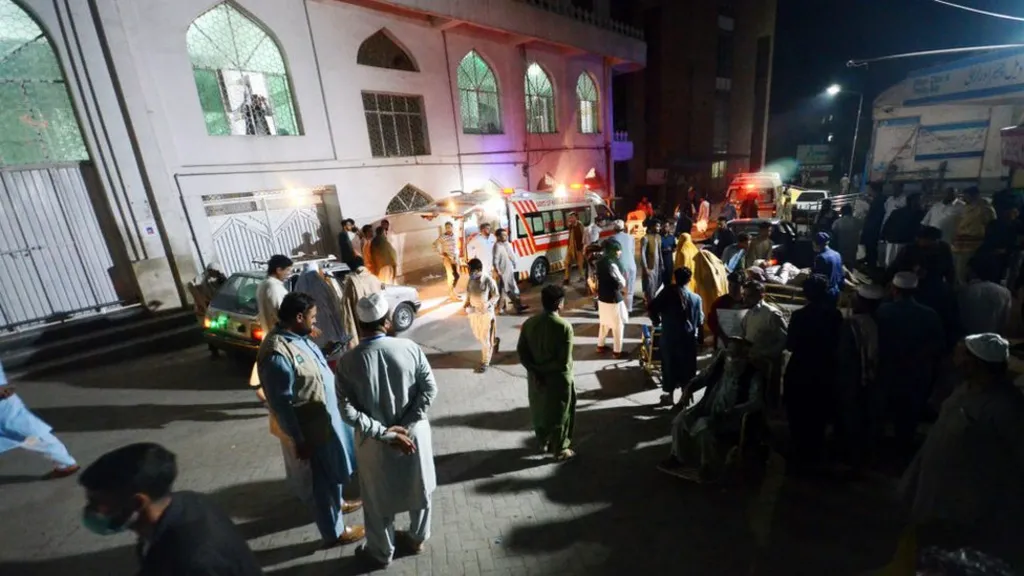

Importance of Earthquake Preparedness
Disaster experts recommend that residents in earthquake-prone regions prepare emergency plans before disasters occur.
Basic preparedness measures include:
- Identifying safe places inside buildings.
- Keeping emergency food, water, and medical supplies.
- Securing heavy furniture and appliances.
- Learning evacuation procedures.
- Maintaining communication plans with family members.
Preparedness can significantly reduce risks during future seismic events.
Situation Continues to Develop
Authorities continue collecting reports from affected districts while engineers assess buildings, roads, and public infrastructure for possible damage.
Although there were no immediate reports of casualties at the time of publication, officials cautioned that information may change as inspections continue, particularly in remote mountainous communities closer to the epicenter.
Residents have also been advised to remain cautious overnight because aftershocks can occur hours or even days after a major earthquake.
Frequently Asked Questions
Where was the Afghanistan Pakistan earthquake today centered?
The earthquake’s epicenter was located in Afghanistan’s Hindu Kush mountain region, according to the Pakistan Meteorological Department and international seismic monitoring agencies.
How strong was the earthquake?
The European Mediterranean Seismological Centre estimated the earthquake at magnitude 6.0, while the United States Geological Survey measured it at magnitude 6.1.
Which areas felt the earthquake?
Strong tremors were reported in Kabul, Islamabad, Punjab, Khyber Pakhtunkhwa, Pakistan-administered Kashmir, Swat district, and parts of India-administered Kashmir.
Were there any casualties reported?
At the time of publication, authorities had not confirmed any deaths or injuries. Damage assessments and inspections were still ongoing.
Conclusion
The Afghanistan Pakistan earthquake today caused widespread panic across Afghanistan, Pakistan, and parts of Kashmir as residents rushed outdoors following strong ground shaking. While officials have not reported casualties so far, emergency teams continue assessing affected communities and monitoring for aftershocks. Authorities are urging residents to stay informed through official channels and remain prepared until the situation is fully evaluated.
PLEASE CLICK HERE FOR MORE NEWS


