 0
0
 0
0
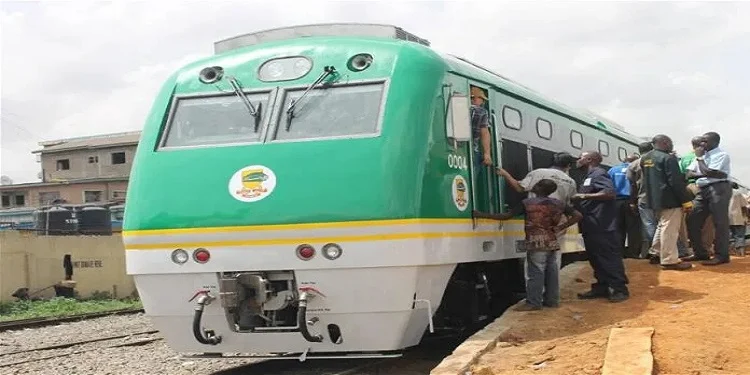
Abuja Kaduna train services resumed March 2026 following a temporary disruption caused by an operational incident earlier in the week, with authorities confirming full restoration and enhanced safety measures.
The announcement was made by the Managing Director of the Nigerian Railway Corporation (NRC), who reassured passengers that normal operations have resumed along one of Nigeria’s busiest rail corridors.
Abuja Kaduna Train Services Resumed March 2026 After Incident
The Abuja Kaduna train services resumed March 2026 after swift intervention by railway authorities addressed the disruption that occurred on Monday, March 16, 2026.
Timeline of the Incident
The disruption occurred at approximately 9:16 a.m. near Asham Station on the Abuja–Kaduna rail line. Key details include:
-
The affected train, identified as KA2, departed from Rigasa in Kaduna
-
It made a scheduled stop at Jere Station
-
A rear locomotive was attached before continuing the journey
Shortly after departure, an unexpected mechanical issue led to the incident.
What Caused the Disruption?
According to available information:
-
The attached locomotive became detached while the train was moving
-
It rolled forward along the track
-
It collided with the rear section of the same train
This sequence created a serious operational occurrence that required immediate response.
Passenger Impact
The train was carrying:
-
429 passengers
-
Crew members
-
Security personnel
There were no fatalities reported, though some passengers sustained injuries and received prompt medical attention.
Safety Measures Behind Abuja Kaduna Train Services Resumed March 2026
Authorities emphasized that the Abuja Kaduna train services resumed March 2026 with improved safety protocols to prevent similar incidents.
Enhanced Operational Standards
The Nigerian Railway Corporation implemented measures including:
-
Improved technical inspections of locomotives
-
Strengthened operational monitoring systems
-
Enhanced coordination among railway personnel
These steps aim to reduce the risk of mechanical failures.
Passenger Safety Assurance
Passengers have been assured of:
-
Secure travel conditions
-
Better onboard safety procedures
-
Continuous monitoring during journeys
Maintenance and Infrastructure Checks
Routine maintenance has been intensified to ensure:
-
Proper coupling of locomotives
-
Track safety verification
-
Equipment reliability
NRC Response and Rapid Intervention
The Abuja Kaduna train services resumed March 2026 largely due to the quick response by railway officials.
Immediate Actions Taken
Following the incident, the NRC:
-
Dispatched technical teams to the site
-
Provided medical assistance to injured passengers
-
Ensured safe continuation of the journey to Idu Station in Abuja
Minimal Service Disruption
Officials noted that the swift intervention helped:
-
Limit delays
-
Restore confidence among passengers
-
Maintain operational continuity
Communication with Passengers
Passengers were kept informed about:
-
Safety procedures
-
Service updates
-
Travel arrangements
Resumption of AKTS Return Trips
A key milestone in the Abuja Kaduna train services resumed March 2026 process was the successful return trip from Rigasa.
Restoration of Full Operations
The AKTS (Abuja-Kaduna Train Service) return journey resumed on March 17, 2026, signaling:
-
Operational stability
-
Readiness for regular service schedules
-
Confidence in safety improvements
Role of Community Support
Local leadership support contributed to smooth operations, reflecting collaboration between authorities and community stakeholders.
Passenger Confidence Rebuilding
The resumption is expected to:
-
Encourage commuters to return to rail travel
-
Restore trust in the system
-
Support daily transportation needs
Importance of Abuja-Kaduna Rail Corridor
The Abuja-Kaduna route is one of Nigeria’s most important rail lines.
Strategic Significance
The corridor connects:
-
Nigeria’s capital, Abuja
-
Kaduna, a major northern city
It serves as a safer alternative to road travel for many commuters.
High Passenger Volume
The route regularly handles:
-
Hundreds of passengers per trip
-
Daily business and personal travel needs
-
Government and private sector mobility
Economic Impact
Reliable rail services contribute to:
-
Reduced transportation costs
-
Improved trade and movement
-
Enhanced regional connectivity
Lessons from the Incident
The Abuja Kaduna train services resumed March 2026 also highlights key lessons for the railway sector.
Need for Continuous Safety Improvements
Incidents like this reinforce the importance of:
-
Regular equipment checks
-
Staff training
-
Emergency preparedness
Importance of Rapid Response
Quick intervention can:
-
Prevent escalation
-
Minimize injuries
-
Restore services faster
Building Resilient Transport Systems
Long-term investments in infrastructure and safety are essential for sustainable rail operations.
FAQ Section
Why were Abuja Kaduna train services suspended in March 2026?
Services were disrupted due to a mechanical incident involving a detached locomotive that collided with the train.
When did Abuja Kaduna train services resume?
Operations were fully restored after the March 16, 2026 incident, with return trips resuming on March 17, 2026.
Were there casualties in the train incident?
No fatalities were reported, though some passengers sustained injuries and received medical care.
What safety measures have been introduced after the incident?
Measures include enhanced inspections, improved monitoring systems, and stricter operational protocols.
Conclusion
The Abuja Kaduna train services resumed March 2026 marks a return to normalcy for a critical transportation route in Nigeria. While the incident raised concerns about operational safety, the swift response and implementation of improved measures demonstrate efforts to strengthen the system. Continued focus on maintenance, safety, and passenger confidence will be key to ensuring reliable rail services moving forward.
Click here for more news