


Abiy Ahmed landslide victory has been confirmed after Ethiopia’s electoral commission announced that the ruling Prosperity Party secured an overwhelming majority of parliamentary seats in the country’s latest election results.
Prosperity Party Secures Overwhelming Majority in Parliament
The electoral commission reported that Prime Minister Abiy Ahmed’s Prosperity Party (PP) is projected to win close to 90 percent of seats in the national parliament. This outcome positions the ruling party as the dominant political force in the country’s legislative structure.
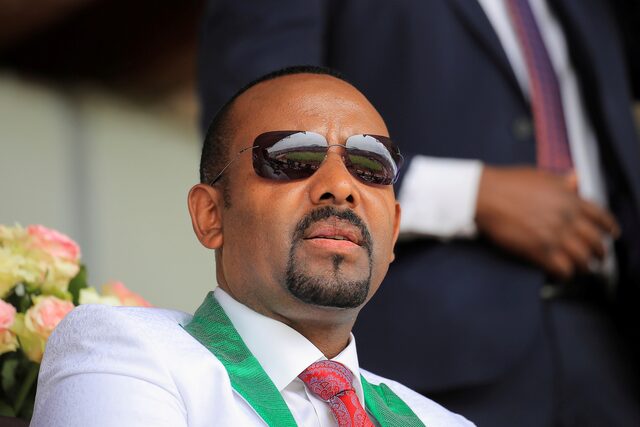

Election Results Overview and Seat Distribution
The election, held on June 1, covered 501 out of 547 constituencies across Ethiopia. Preliminary results indicate:
- Prosperity Party gaining a dominant share of parliamentary seats
- Opposition parties securing only a small fraction of representation
- Several constituencies remaining uncontested or delayed due to regional conditions
The Abiy Ahmed landslide victory reflects the continued strength of the ruling party within Ethiopia’s political system, according to official announcements.
Electoral Commission’s Role in Result Declaration
The National Electoral Board of Ethiopia played a central role in organizing and announcing the results. Officials stated that vote counting and verification processes were completed in most participating regions, although some areas remain excluded from voting.
Election Context Across Ethiopia and Regional Limitations
The election process did not take place uniformly across the country. Several regions were either partially included or entirely excluded due to ongoing instability and security concerns.
Tigray Region and Ongoing Conflict Situation
One of the most significant exclusions was the Tigray region, where elections were not conducted. The region has been affected by a prolonged conflict that began in 2020 between local authorities and the federal government.
Key background points include:
- The conflict has caused widespread humanitarian and security challenges
- Elections were suspended in the region due to instability
- Political reintegration remains unresolved in several areas
This absence of participation has been widely noted in discussions surrounding the Abiy Ahmed landslide victory and the overall legitimacy of national representation.
Electoral Coverage Across Other Regions
While most of Ethiopia participated in the election process, some constituencies experienced delays or logistical limitations. Authorities cited security conditions and administrative constraints as reasons for partial coverage.
Abiy Ahmed Political Journey Since 2018 Leadership
Prime Minister Abiy Ahmed first came to power in 2018 and quickly gained international attention for his reform-oriented agenda. His early leadership period was marked by diplomatic progress and internal political restructuring.
Nobel Peace Prize Recognition and Early Reforms
In 2019, Abiy Ahmed was awarded the Nobel Peace Prize following a peace agreement with neighboring Eritrea. This agreement ended years of military tension between the two countries.
Highlights of his early leadership include:
- Diplomatic normalization with Eritrea
- Political reforms aimed at opening civic space
- Efforts to modernize governance structures
These early developments initially shaped global perceptions of Ethiopia’s political direction before later tensions emerged.
Shifts in Governance and Political Criticism
Over time, Abiy Ahmed’s administration has faced increasing criticism from opposition groups and human rights observers. Concerns have been raised regarding political freedoms, conflict escalation, and centralized authority.
The recent Abiy Ahmed landslide victory has therefore been viewed through contrasting perspectives, depending on political interpretation and regional context.
Reactions and Concerns Over Electoral Process
The election results have generated discussion both within Ethiopia and among international observers regarding the fairness and inclusiveness of the electoral process.
Criticism of Electoral Fairness and Competition
Some critics argue that Ethiopia’s electoral environment has long favored ruling parties. Concerns raised include:
- Limited space for opposition campaigning
- Security challenges restricting political participation
- Historical patterns of dominant-party victories
These concerns have contributed to ongoing debate about the broader significance of the Abiy Ahmed landslide victory in terms of democratic competitiveness.
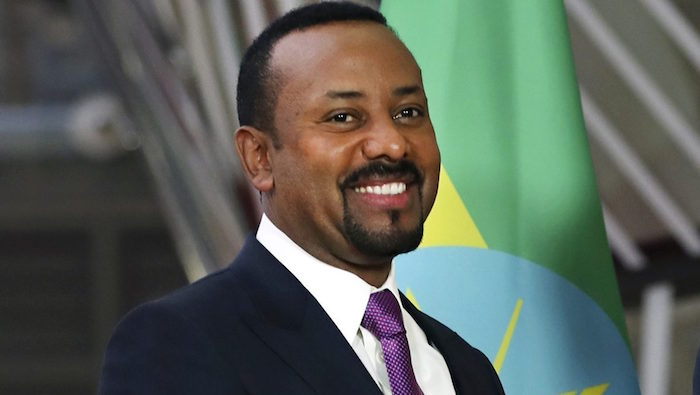

Perspectives from Political Observers
Observers note that while elections were conducted in more constituencies than in previous cycles, the absence of full national participation limits the ability to assess the overall representativeness of the results.
Implications for Ethiopia’s Political Future
The outcome of the election is expected to shape Ethiopia’s political direction over the coming years, particularly in terms of governance stability and national reconciliation.
Governance Stability and Policy Direction
With a dominant parliamentary majority, the Prosperity Party is positioned to advance its legislative agenda with limited resistance. This may influence:
- Policy implementation speed
- National development programs
- Security and regional governance strategies
The Abiy Ahmed landslide victory strengthens executive influence in shaping long-term national policies.
Opposition Landscape and Democratic Participation
The reduced parliamentary presence of opposition groups raises questions about the future role of political pluralism in Ethiopia. Analysts suggest that rebuilding trust between political actors may be an important challenge moving forward.
FAQ
What does Abiy Ahmed landslide victory mean for Ethiopia’s parliament?
It means the Prosperity Party is expected to control nearly 90 percent of parliamentary seats, giving it significant legislative dominance.
Why were elections not held in all Ethiopian regions?
Some regions, including Tigray, did not participate due to ongoing conflict, security concerns, and administrative limitations.
How has Abiy Ahmed’s leadership changed since 2018?
Since 2018, his leadership has shifted from early reform-focused policies and peace efforts toward more complex political and security challenges.
Are Ethiopia’s elections considered fully competitive?
Some observers argue that elections in Ethiopia face structural limitations, including restricted opposition space and regional instability.
Conclusion
The election outcome marks a decisive moment in Ethiopia’s current political cycle, with the Prosperity Party securing a commanding majority under Prime Minister Abiy Ahmed. While the Abiy Ahmed landslide victory strengthens governmental control, it also takes place within a complex environment shaped by regional conflict, political debate, and ongoing questions about electoral inclusiveness. The coming years are likely to test how this political dominance translates into governance, stability, and national unity.
Click here for more news


